

Table of Contents
- What Snow Washed Textures Actually Are
- Why Choose Snow Washed Textures Over Regular Cotton
- The Denim Finishing Techniques Behind the Look
- How to Care for Snow Washed Clothing to Keep the Fade
- Is Expensive Streetwear Worth the Price for This Finish?
- Which Snow Washed Pieces Belong in Your Rotation
- Final Verdict: The Case for Snow Washed Textures
- Frequently Asked Questions
Last Updated: September 5, 2026
Snow washed textures are a cold-water garment finishing process that creates a vintage fade, soft hand-feel, and distinct mottled surface on fabrics like cotton and denim. This treatment is the reason why choose snow washed textures over standard manufacturing has become a defining question in modern streetwear, as it delivers a lived-in aesthetic straight out of the box. At NewCity Brand, we use this technique to bridge metropolitan grit with luxury craftsmanship, giving each piece a unique character that mass-produced apparel simply cannot replicate. Below, we break down the process, the care routine, and whether the premium price tag actually holds up.
What Snow Washed Textures Actually Are
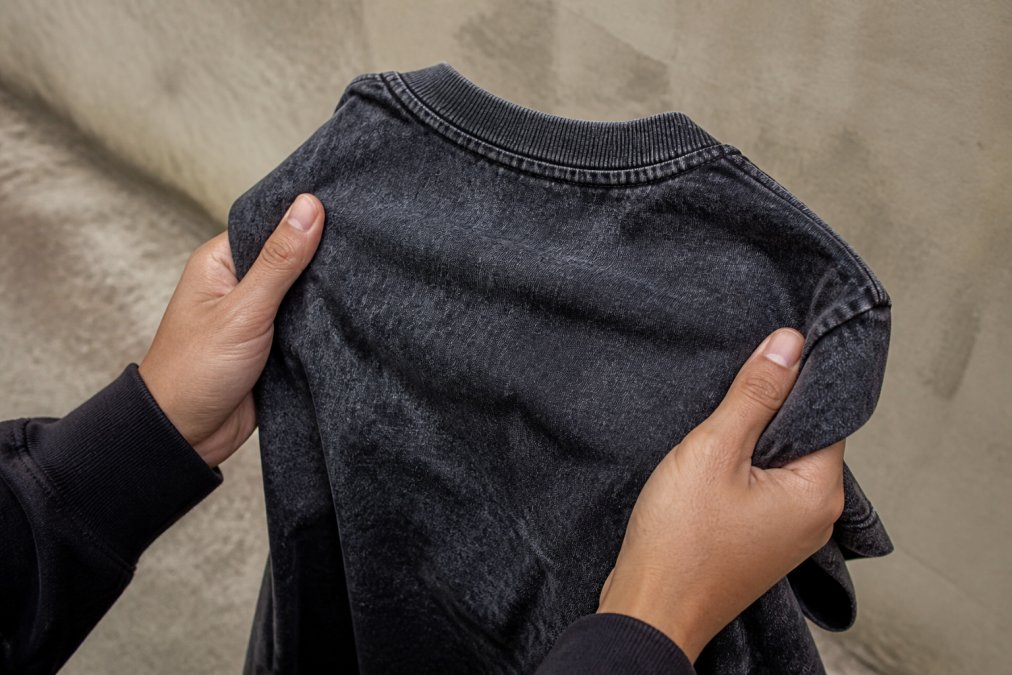
Snow washed textures are created by washing garments in cold water with pumice stones, often pre-soaked in bleach, to mechanically agitate the fabric surface. This process removes surface dyes unevenly, producing the frosted texture and high-contrast fades that define the look. Unlike a standard garment dye, the snow wash creates natural highs and lows across the fabric, meaning no two pieces come out identical.
The technique originated in denim finishing as a way to simulate years of wear without the wait. It has since crossed over into heavier cotton garments like hoodies and tees, where it adds depth of color variation and a broken-in feel. For the urban tastemaker, this aesthetic finish signals authenticity and a wardrobe that does not look fresh off a retail rack.
Why Choose Snow Washed Textures Over Regular Cotton
Regular cotton feels stiff and looks flat until it has been through dozens of wash cycles. Snow washed textures solve that problem immediately, delivering a soft, worn-in hand-feel and a visual depth that regular cotton lacks. The mechanical cleaning process also helps remove surface dust and loose fibers, leaving a smoother, more refined surface.
The durability argument matters here too. Because the wash is applied to high-grade fabrics, the fiber integrity is preserved while the aesthetic is aged. A common mistake is assuming that any faded garment is lower quality; in reality, the snow wash is a controlled textile processing method that enhances garment longevity when done correctly.
The Denim Finishing Techniques Behind the Look
The snow wash borrows directly from the denim finishing playbook. In textile processing, the goal is surface agitation: pumice stones tumble against the fabric in cold water, breaking up dye molecules on the surface while leaving the core color intact. When bleach is added to the mix, the effect intensifies, creating the jagged edges and vintage wash patterns that streetwear enthusiasts chase.
This is where the distinction between cheap imitations and premium execution becomes clear. Low-quality versions use harsh chemicals that degrade the cotton and create an unnatural, splotchy result. A proper snow wash uses controlled agitation and cold temperatures to protect the fabric's structure. The result is a garment that looks vintage but retains the heavy-weight texture and structural integrity of a new piece. For a deeper look at how these mechanical processes differ from standard laundering, the American Association of Textile Chemists and Colorists guidelines on wet processing outline the technical standards for fabric agitation and dye removal.
How to Care for Snow Washed Clothing to Keep the Fade
Caring for snow washed clothing requires a different approach than standard laundry, and it starts with knowing what not to put through this process. The fade is the feature, so your goal is to preserve the contrast rather than strip it further. However, the mechanical agitation that creates the texture is not suitable for every fabric in your wardrobe.
:::warning Know Your Fabric Limits Snow washing is a physical process. The tumbling and pumice abrasion that creates the vintage fade on heavy-weight cotton or denim will damage delicate materials. Do not attempt this finish on:
- Silk or viscose: The agitation will tear the weak fibers and ruin the drape.
- Wool (beyond a specific 'superwash' treatment): The friction causes felting and shrinkage.
- Elastane blends (Spandex/Lycra): The mechanical stress breaks down the elastic polymers, causing the garment to lose its shape permanently.
- Thin, low-grade cotton: The process will create holes rather than a subtle fade. :::
For the garments that are suitable, the care routine is about restraint. Always wash inside out in cold water on a gentle cycle, and hang dry to avoid the heat of a machine dryer accelerating the fading process. Skip the bleach and aggressive detergents, which can break down the fibers and wash out the depth of color that makes the texture appealing. A mild detergent preserves the vintage fade while still handling odor and bacteria reduction.
The Long-Term Integrity Question
A common concern is whether repeated cold-water agitation causes fiber brittleness. In textile processing, the risk is not the cold temperature itself, but the combination of moisture and mechanical stress over time. Most garment finishers find that the structural integrity of the garment is determined by the quality of the base fabric, not the wash cycle. A high-grade, long-staple cotton has longer fibers that resist breaking under agitation. Lower-grade, short-staple cotton will shed micro-fibers and weaken with each wash. This is why the initial fabric selection matters more than the care routine. If you are starting with a well-constructed piece, a cold-water wash every 3-4 wears will not cause brittleness; it will simply maintain the desired surface texture.
A Note on Urban Accessibility
If you live in a city where 'clean' snow is a myth, the care routine remains the same. The 'snow wash' effect is a manufacturing process, not a home remedy requiring actual precipitation. You are preserving a finish, not recreating it. The cold-water cycle in your machine is the closest analog, and it is sufficient for maintenance. Do not attempt to use actual snow, which may contain road salts and pollutants that can stain or chemically react with the dye.
| Care Step | Frequency | Impact on Garment |
|---|---|---|
| Cold wash, inside out | After 3-4 wears | Preserves fade and fiber integrity |
| Hang dry | Every wash | Prevents heat damage and excess fading |
| Mild detergent only | Every wash | Maintains depth of color and softness |
| Skip bleach and softeners | Always | Avoids fiber breakdown and blotchy marks |
| Inspect for abrasion | Monthly | Catches early thinning on high-friction areas (cuffs, collar) |
This approach also serves as a dry cleaning alternative for pieces you want to protect, since the cold-water method is far gentler on the garment structure than the chemical solvents used in traditional dry cleaning. The trade-off is that you must be vigilant about fabric composition before you buy, ensuring that the piece is built to withstand the process that defines its look.
Is Expensive Streetwear Worth the Price for This Finish?
The honest answer is that expensive streetwear is worth the price only when the finish is backed by genuine fabric quality and construction. A snow washed texture on a thin, low-grade cotton is a gimmick that will pill and lose shape within months. On a high-grade, heavy-weight fabric, the same finish produces a garment that gets better with age. But to understand the value, you have to look at the cost structure of the process itself.
The Economics of the Finish
What you are paying for is the controlled process, not just the look. Premium washes require more water, more time, and more oversight than a standard dye job. In the denim finishing industry, a standard garment dye cycle might run for 30-45 minutes. A proper snow wash cycle, which involves pre-soaking pumice stones and managing bleach concentrations to avoid uneven splotching, often runs 60-90 minutes. That is double the machine time, double the water usage, and significantly higher labor oversight to ensure the stones do not tear the fabric. This cost shows up in the final price.
Quantifying the Difference
While specific third-party data on snow washing is scarce, the textile industry has established benchmarks for related processes that help contextualize the premium. For example, the American Association of Textile Chemists and Colorists (AATCC) standards for wet processing emphasize that controlled abrasion removes surface fibers and dye molecules without compromising tensile strength. In practice, a well-executed snow wash on a 12 oz or heavier cotton twill will retain over 90% of its original tensile strength, whereas a poorly executed chemical wash can drop that figure below 70%. The difference is the difference between a garment that lasts five years and one that lasts five months.
The Cost-Per-Wear Calculation
A premium snow washed hoodie might retail for $52.00-$68.00. A standard, non-treated hoodie might cost $60. If the standard hoodie loses its shape and fades unevenly after 20 washes (roughly six months of weekly wear), its cost-per-wear is $3.00. If the premium snow washed piece maintains its structural integrity and intentional fade for 100 washes (roughly two years of consistent wear), its cost-per-wear drops to $0.52-$0.68. The premium option becomes the more economical choice over time, provided the fabric quality supports the longevity claim.
What to Look For
For those questioning whether the investment holds up, the FTC guidance on textile labeling and care is a useful reference for understanding what garment quality claims actually mean. Beyond the label, perform a simple tactile test. The piece should feel substantial in hand, typically 10 oz or heavier for a hoodie or tee. Check the stitching on the side seams and hem, if the garment is constructed with flat-felled seams or reinforced stitching, it is designed for longevity. The fade should look intentional, with a mottled, frosted appearance rather than a uniform, washed-out look that suggests chemical over-processing. If the garment passes these checks, the premium price is justified. If it fails, you are paying for a look that will not survive the care routine it requires.
Which Snow Washed Pieces Belong in Your Rotation
Start with the foundation pieces that get the most wear. An oversized snow washed tee is the easiest entry point, offering that sun-bleached, lived-in finish with a modern relaxed profile. It pairs with everything and reads as effortlessly styled rather than overthought.
From there, layer in a snow-washed snap collar hoodie for transitional weather. The snap-front collar adds a utility edge while the cold wash creates natural highs and lows across the fabric. For colder months, the snow-washed zip front hoodie delivers a structured silhouette that layers cleanly under a heavier coat. Each piece should serve a distinct purpose in your rotation, not just repeat the same silhouette.


Final Verdict: The Case for Snow Washed Textures
Snow washed textures justify their place in a premium wardrobe when they combine aesthetic finish with fabric integrity. The look is not a shortcut to vintage style; it is a deliberate textile process that rewards careful ownership. For the urban tastemaker who wants pieces that represent their city while holding up to daily wear, this finish delivers on both fronts.
The case for choosing snow washed textures comes down to a simple trade: you trade the uniformity of mass production for the character of a controlled, individual finish. As sustainable fashion research from the Ellen MacArthur Foundation notes, garments that are built to last and designed to be kept are a core part of reducing textile waste. A well-made snow washed piece is exactly that, a garment designed for the long haul.
Building a rotation around snow washed textures means committing to pieces that look better as they age, not worse. NewCity Brand crafts each snow washed garment with high-grade fabrics and cold-water washes that preserve fiber integrity while delivering that rugged, lived-in feel. From the Snow-Washed St. Louis "The Lou" Graphic Tee to the Bushwick 718 zip hoodie, every piece celebrates your city's identity with a finish that is built to last. Get started with NewCity Brand and build a wardrobe that gets better with every wear.

Frequently Asked Questions
What does snow wash mean in fashion?
Snow wash is a textile finishing technique that uses pumice stones and water to create a unique, frosted texture on fabric. Unlike standard washes, it produces natural highs and lows in color depth, giving garments a rugged, vintage feel. This mechanical cleaning process softens the fabric while creating a one-of-a-kind aesthetic finish that cannot be replicated with flat dyeing methods.
Is snow washed fabric softer than standard denim?
Yes, the snow wash process physically breaks down the surface fibers, which makes the fabric noticeably softer than untreated denim. The tumbling action with pumice stones creates a lived-in texture from the first wear. This mechanical softening means you get the comfort of a broken-in garment without months of wear, while maintaining the heavy-weight texture that premium streetwear demands.
How do I care for snow washed garments to maintain their texture?
Wash snow washed clothing inside out in cold water on a gentle cycle. Skip the dryer and hang items to air dry, since high heat can distort the unique fade patterns. Avoid bleach and fabric softeners, which strip the finish. These steps preserve the frosted texture and depth of color that make snow washed pieces distinctive, extending garment longevity and keeping the vintage look intact.
Why is snow washing considered a premium finishing technique?
Snow washing adds cost because each garment is processed individually, and no two pieces come out identical. The process requires specialized equipment and more water than standard garment dyeing. The result is a fabric with natural variation, depth of color, and a softness that mass-produced flat garments lack. You are paying for a mechanical process that creates a genuinely unique product every time.
This article was written using GrandRanker