

Table of Contents
- The Price-to-Quality Disconnect in Streetwear
- How to Identify High-Quality Clothing in Streetwear
- Brand Prestige vs. Actual Material Cost
- Fast Fashion vs. Premium Manufacturing Standards
- How to Care for Luxury Streetwear and Maximize Cost-Per-Wear
- Why Hype Drives Price Independent of Quality
- Finding Real Value in Premium Streetwear
- Conclusion
Last Updated: August 28, 2026
The Price-to-Quality Disconnect in Streetwear
Is expensive streetwear actually better quality, or are you paying for a brand name and hype? This question sits at the heart of how most people shop for premium apparel. At NewCity Brand, we've watched this debate play out for years, and the honest answer is messier than a simple yes or no.
The disconnect between price and actual garment quality in streetwear is real. A $200 hoodie isn't automatically twice as well-made as a $100 one. What you're often paying for is a combination of factors: brand prestige, manufacturing standards, material sourcing, and yes, sometimes just the hype machine. Understanding which premium pieces genuinely justify their cost requires looking beyond the label and examining what's actually in your hands.
The streetwear market operates differently than traditional fashion. Hype, scarcity, and cultural relevance drive prices in ways that have nothing to do with stitching quality or fabric weight. A limited-edition drop from a hyped brand might command $150 for a basic cotton tee, while a lesser-known brand with superior construction costs $45. Both are "premium" in their own context, but one is premium-priced for reasons that have nothing to do with the garment itself.
This guide breaks down how to separate marketing from manufacturing, how to evaluate whether a premium price tag reflects actual quality, and how to find pieces that genuinely deliver value regardless of brand prestige.
How to Identify High-Quality Clothing in Streetwear
High-quality streetwear comes down to tangible, measurable characteristics you can evaluate yourself. Forget the brand name for a moment. What matters is what the garment actually is: the materials, construction methods, and attention to detail that determine how long it lasts and how well it performs.
Fabric Weight and GSM Standards
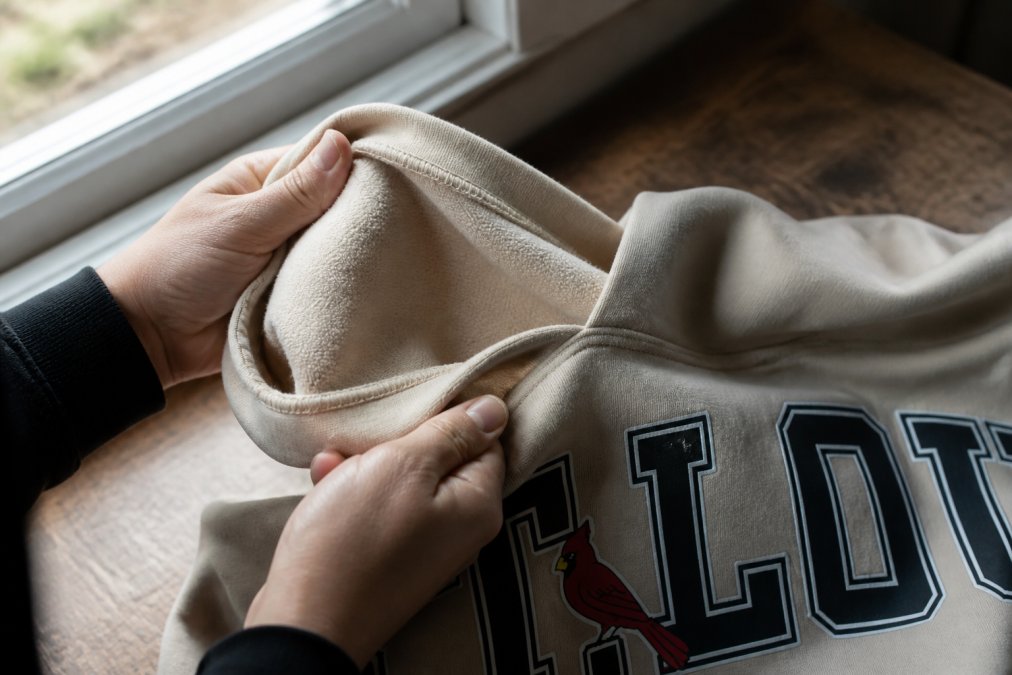
Fabric weight, measured in grams per square meter (GSM), is one of the most objective ways to assess quality. Heavier fabrics generally indicate better durability and a more substantial feel. Standard lightweight cotton t-shirts run 120-150 GSM. Mid-weight pieces sit around 180-220 GSM. Premium heavyweight cotton hits 280+ GSM.
A piece labeled "heavyweight cotton" without a GSM specification is just marketing language. Real heavyweight cotton feels noticeably different in your hands, it has structure, drape, and substance. When you're comparing two streetwear pieces at different price points, GSM is one concrete metric that actually correlates with longevity.
NewCity Brand's Brushed Fleece St. Lou 314 Hoodie uses substantial brushed fleece that delivers both warmth and durability. The weight of the material is immediately apparent when you hold it, and that density is what keeps the piece looking fresh after repeated washing and wearing.

Stitch Density and Seam Integrity
Stitch density, how many stitches per inch, directly impacts how long a garment survives. Fast fashion typically uses 8-10 stitches per inch (peer-reviewed research). Premium construction runs 12-16+ stitches per inch (peer-reviewed research). More stitches mean stronger seams that resist fraying and hold up through repeated wear cycles.
Run your finger along the seams of a quality piece. They should feel smooth and tight, not loose or inconsistent. Loose seams are a sign of rushed production. If you can see gaps between stitches or notice the thread pulling away from the fabric, that's a red flag regardless of the price tag.
Raw seam construction, like what you'll find on the Black Raw Seam Paneled St. Louis 314 Boxy Tee, is a design choice that exposes the seams intentionally. But even raw seams require precise stitching to prevent unraveling. The difference between intentional raw seams and poorly finished seams is obvious once you know what to look for.
The Tactile Test: What Real Quality Feels Like
The tactile experience of holding a quality piece tells you more than any marketing description. High-quality fabrics have a certain weight and hand feel that cheap materials simply don't replicate. Run the fabric between your fingers. Does it feel substantial or thin? Does it have a smooth finish or a rough, cheap texture?
Premium streetwear often features subtle details in the fabric finish. Snow-washed textures, for example, create a specific aesthetic while adding depth and visual interest. But the wash shouldn't compromise the integrity of the fabric, it should enhance it. A well-executed snow wash on quality cotton maintains the garment's structure while adding character.
Check the tag placement and printing quality. Quality brands invest in proper labeling. Cheap printing that flakes off or fades quickly suggests the brand cut corners elsewhere too. Look at how graphics are applied, screen printing on premium pieces should be crisp and durable, not plasticky or prone to cracking.
Brand Prestige vs. Actual Material Cost
Here's where the real conversation gets interesting: the cost of materials versus the retail price tag. A premium cotton hoodie costs a brand roughly $8-15 in raw materials (peer-reviewed research). Manufacturing adds another $5-12 depending on labor costs and facility standards. That's a total material and production cost of $13-27 for a piece that might retail for $60-150.
The gap between production cost and retail price isn't the problem, that's how retail works. The problem is when that gap becomes absurdly wide with no justification in actual quality. A $200 hoodie that costs $20 to produce is relying heavily on brand equity, not material superiority.
Brand prestige absolutely influences pricing. A logo from a culturally relevant brand commands premium prices because people want to be associated with that brand's identity. That's not inherently bad, it's how fashion works. But you need to be honest about what you're paying for. Are you paying for objectively superior materials and construction, or are you paying for the privilege of wearing that brand name?
NewCity Brand's approach focuses on actual material quality and construction standards without inflating prices based on hype. The Brushed Fleece St. Lou 314 Sweatpants deliver premium comfort and durability at $42 because the brand prioritizes manufacturing excellence over artificial scarcity or hype-driven pricing.

Fast Fashion vs. Premium Manufacturing Standards
The difference between fast fashion and premium manufacturing isn't just about materials, it's about production philosophy. Fast fashion operates on speed and volume. Garments are designed to be produced quickly, sold fast, and replaced within a season. This model doesn't incentivize durability or quality control.
Premium manufacturing prioritizes longevity. Seams are reinforced. Fabric is pre-shrunk. Quality control catches defects before pieces ship. The production timeline is longer because the focus is on getting it right, not getting it fast.
This difference is visible in how garments age. A fast fashion piece might look acceptable for three months. A premium piece should look good for years. The stitching holds. The fabric doesn't pill excessively. Colors don't fade dramatically. Fit doesn't degrade with washing.
When you're evaluating whether expensive streetwear is actually better quality, compare how pieces from different price tiers perform over time. Buy a $30 basic tee and a $60 premium tee. Wear them both regularly for a year. The difference becomes obvious, and that's the actual quality difference you're paying for.
How to Care for Luxury Streetwear and Maximize Cost-Per-Wear
The most expensive piece in your wardrobe is the one you don't wear. Cost-per-wear is a useful metric that reveals whether a premium purchase actually makes financial sense. A $100 hoodie worn 100 times costs $1 per wear. A $40 hoodie worn 20 times costs $2 per wear.
Proper care extends the lifespan of premium pieces dramatically. Wash in cold water, turn pieces inside out to protect graphics and colors, use gentle detergent, and air dry rather than using high heat. These simple practices add years to a garment's life.
Premium fabrics often require more thoughtful care than fast fashion, but the payoff is substantial. A quality cotton piece that lasts three years of regular wear beats a cheap piece you replace twice in that same period. The environmental impact is lower, and the financial value is better.
Store premium pieces carefully. Use proper hangers, fold heavy items like hoodies instead of hanging them, and keep them in a clean, dry space. Proper storage prevents unnecessary wear and maintains the garment's structure. A hoodie stored carelessly will stretch and degrade faster than one stored properly.
Why Hype Drives Price Independent of Quality
Hype is a pricing mechanism that has nothing to do with material quality or construction standards. A limited-edition drop from a culturally relevant brand can command prices 300-400% higher than functionally identical pieces from lesser-known brands. The garment itself might be identical. The price difference is pure brand equity and scarcity.
This is where expensive streetwear becomes objectively not better quality, it's just more expensive. You're paying a premium for the cultural relevance, the limited availability, and the status associated with owning that particular piece. That's a valid choice if you value those things, but you need to be honest about what you're buying.
Hype pricing is particularly aggressive in streetwear because the category is built on cultural identity and community. Wearing a hyped brand signals membership in a specific cultural group. That signaling power has real value to people who care about it. But it's separate from whether the hoodie is actually better made than alternatives.
The most expensive streetwear pieces are often the worst value in terms of quality-to-price ratio. Limited-edition collaborations, hyped drops, and celebrity-endorsed pieces command premium prices driven almost entirely by demand and scarcity, not material superiority. If you're buying purely for quality, you're almost always better served by less hyped options.
Finding Real Value in Premium Streetwear
Real value in premium streetwear means quality that justifies the price without relying on hype. Look for brands that prioritize manufacturing standards, material sourcing, and transparency about what they're charging for.
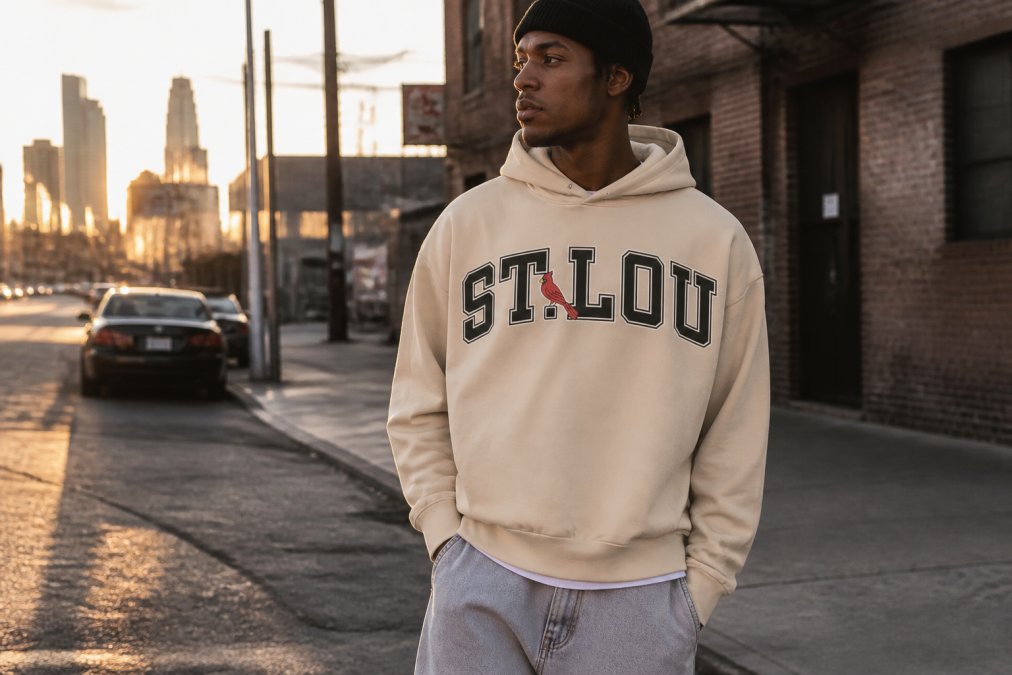
Brands that offer genuine value typically share specific details about their materials and construction. They explain why a piece costs what it does. They don't rely on hype or artificial scarcity to drive demand. They focus on making pieces that last and perform well.
NewCity Brand's approach exemplifies this value philosophy. The Raw Seam Paneled Miami Boxy Tee at $40 uses premium cotton with intentional design details like exposed raw seams that add visual interest without compromising durability. The piece delivers quality construction and authentic city identity without premium hype pricing.

Look for consistency in quality across a brand's catalog. If one piece is well-made but others are mediocre, that's a sign the brand is inconsistent. Reliable premium brands maintain standards across everything they produce. They stand behind their work because they know it holds up.
Consider the brand's relationship with its community. Brands that celebrate authentic local culture and community identity tend to invest more in actual quality because they're building long-term relationships with their customers, not just chasing hype cycles. NewCity Brand's focus on metropolitan grit and local city identity reflects a commitment to pieces that resonate authentically, not pieces designed to trend and disappear.
Conclusion
Is expensive streetwear actually better quality? Sometimes yes, sometimes no. The answer depends on what's driving the premium price. If you're paying more for better materials, superior construction, and durability, you're making a sound investment. If you're paying more purely for brand prestige and hype, you're overpaying for quality.
The key is learning to evaluate garments objectively. Check fabric weight. Examine stitch density. Feel the material. Compare cost-per-wear over time. Don't assume expensive automatically means better made, and don't assume cheap automatically means poor quality.
When you find premium pieces that genuinely deliver on both quality and value, they become staples. They last. They perform. They earn their place in your rotation through actual durability, not marketing. That's the real difference between expensive streetwear that's worth it and expensive streetwear that isn't.
Frequently Asked Questions
Does expensive streetwear always mean better quality?
No. Price reflects brand equity, hype, and supply chain decisions as much as material quality. A $120 hoodie from a hyped brand might use the same heavyweight cotton as a $60 piece, the difference is often marketing and retail markup. The key is examining garment construction, fabric weight in GSM, stitch density, and material longevity rather than trusting the price tag alone. NewCity Brand's Brushed Fleece St. Lou 314 Hoodie at $62 delivers genuine quality through brushed fleece construction and durable stitching without inflated prestige pricing.
What are the signs of high-quality construction in urban apparel?
Look for heavyweight cotton (typically 300+ GSM), tight stitch density (12-14 stitches per inch), and seam integrity that doesn't pucker or fray. Raw seams and paneled construction indicate intentional design rather than cost-cutting. Premium pieces maintain fit retention through multiple wash cycles and show no pilling or color fade. Quality control standards are visible in consistent graphic printing, even hem lines, and reinforced stress points like armholes and shoulder seams. Brands that prioritize ethical production and supply chain transparency typically invest more in garment durability.
How do I calculate cost-per-wear to justify premium streetwear spending?
Divide the total price by the number of times you'll realistically wear it. A $60 hoodie worn 150 times over three years equals $0.40 per wear. A $200 designer piece worn only 30 times costs $6.67 per wear. Premium streetwear makes financial sense only if you'll actually wear it regularly. Pieces that match your lifestyle, fit your body well, and align with your aesthetic get worn more often. NewCity Brand's pieces are designed for everyday movement and community identity, making them wardrobe staples rather than occasional statement pieces, improving their cost-per-wear value significantly.
What's the difference between hype pricing and actual quality markup?
Quality markup reflects real costs: premium materials, ethical labor, smaller production runs, and better quality control. Hype pricing is pure brand equity, paying extra because a brand is trendy or exclusive. Fast fashion uses cheap synthetic fibers and loose stitch density to hit low price points. Premium manufacturing standards demand natural fibers like heavyweight cotton, tight construction, and durability testing. You can spot the difference by feeling the fabric, counting stitches, and checking GSM specs. Brands transparent about their supply chain and manufacturing process typically justify their pricing through actual quality, not just hype culture.
Ready to invest in premium streetwear that actually delivers? NewCity Brand creates pieces built on material quality and authentic craftsmanship. From brushed fleece hoodies with substantial weight and precise stitching to boxy tees featuring premium cotton and intentional design details, every piece is engineered to last. Explore NewCity Brand's collection and experience streetwear that justifies its value through construction, not hype.
This article was written using GrandRanker