

Table of Contents
- What Is Snow Washed Fabric Texture
- Snow Wash vs Stone Wash: Key Differences
- The Process Behind Snow Washed Finishes
- How to Care for Snow Washed Clothing
- Is Expensive Streetwear Worth the Price
- Identifying High-Quality Snow Washed Pieces
- Conclusion
Last Updated: August 20, 2026
What Is Snow Washed Fabric Texture
Snow washed fabric texture is a cold-water finishing technique that creates a frosty, powdery surface with faded color variations and a lived-in aesthetic. Unlike traditional stone washing, which uses abrasive materials, snow washing relies on thermal shock and mechanical action to break down fibers and produce bright highlights across the fabric's surface. The result is a soft, vintage fade that feels instantly broken-in while maintaining fiber integrity better than conventional distressing methods.
At NewCity Brand, we've engineered snow-washed textures into our premium streetwear to deliver that coveted urban edge without sacrificing durability. The technique transforms high-grade cotton into garments that tell a story the moment you put them on, amplifying the gritty modern aesthetic that defines our collection.
The snow wash process creates what designers call a "frost-kissed" finish through controlled textile surface modification. The cold-water treatment causes thermal shock to the fibers, creating micro-abrasions that catch light differently than untreated fabric. This selective fiber breakdown produces the characteristic powdery snow appearance without the aggressive deterioration you'd see from stone washing or bleach treatments.
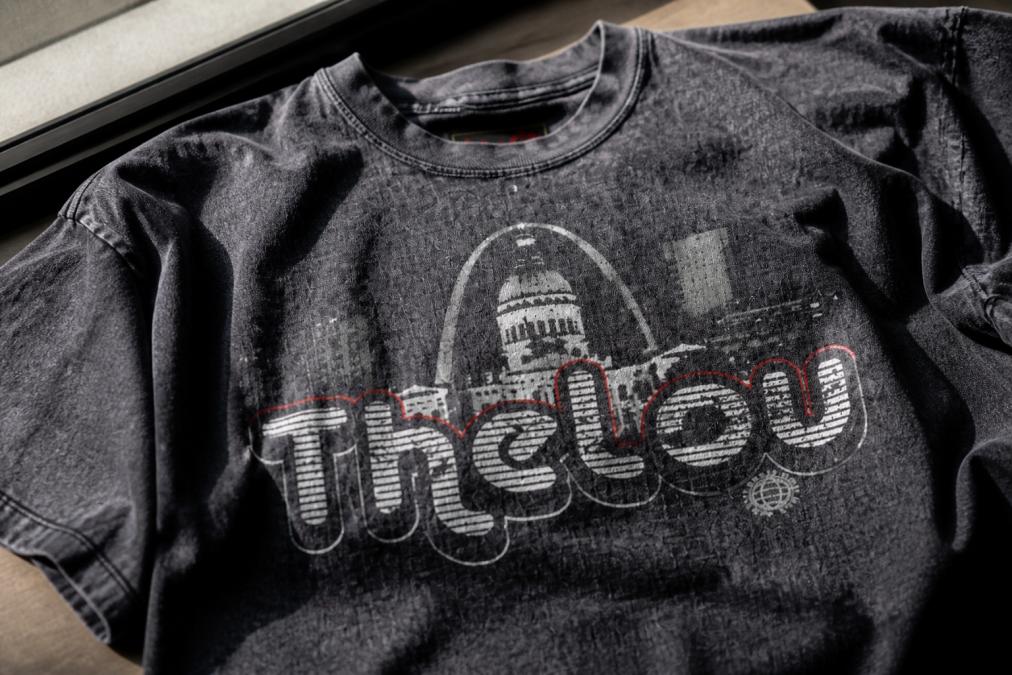
What makes snow washing distinct is its precision. The mechanical action targets surface dust removal and cellulose bond modification rather than wholesale fiber destruction. Traditional methods often compromise fabric integrity, but snow washing maintains structural strength while delivering dramatic visual impact. This is why premium streetwear brands invest in the technique, it looks worn without actually being worn out.
Snow Wash vs Stone Wash: Key Differences
The distinction between snow wash vs stone wash comes down to methodology and outcome. Stone washing uses pumice stones or ceramic materials to create aggressive surface abrasion, resulting in heavy fading and visible distressing. Snow washing applies controlled cold-water treatment and gentler mechanical action, producing selective fading with bright highlights and preserved color depth in protected areas.
Stone wash creates uniform wear patterns with consistent abrasive contact across the fabric, generating a predictable, often darker final appearance. This method works quickly but sacrifices fiber integrity, garments tend to pill, thin, and deteriorate faster. Stone-washed pieces typically feel rougher and show visible damage within months of regular wear.
Snow washing creates dimensional fading where color variations emerge organically. Protected areas retain original hue while exposed sections fade to pale, frosty tones. The fabric maintains its hand feel, remaining soft and supple rather than becoming brittle or rough.
Cost and sustainability differ significantly. Stone washing requires constant stone replacement and generates substantial textile waste through aggressive fiber breakdown. Snow washing uses minimal physical material and produces less waste, making it the preferred alternative for environmentally conscious manufacturers. The process is also faster, reducing production time and energy consumption.
From a durability standpoint, snow-washed garments outperform stone-washed pieces. Because snow washing preserves fiber integrity better, the resulting textiles withstand repeated washing and wearing without accelerated deterioration. A quality snow-washed tee will maintain its texture and color for years, whereas stone-washed equivalents often show significant wear within a season.

The Process Behind Snow Washed Finishes
Creating authentic snow-washed texture requires precise control over multiple variables. The process begins with garment construction, manufacturers cut and sew pieces before washing, ensuring that seams and structural elements remain intact throughout the finishing stage.
Cold-Water Treatment and Thermal Shock
The foundation of snow washing is cold-water immersion combined with mechanical rotation. Garments are loaded into industrial washing machines filled with ice-cold water, sometimes at or near freezing point. This extreme temperature difference creates thermal shock, causing fibers to contract unevenly and creating micro-fractures in the cellulose bond that give the fabric its characteristic powdery appearance.
Temperature control is non-negotiable. Water must remain cold throughout the cycle, requiring specialized equipment that maintains consistent freezing conditions. Even a few degrees variation produces visible quality differences. Most industrial processes run 20-45 minutes, balancing visual impact against durability. Shorter cycles produce subtle fading; longer cycles create more dramatic frost-kissed effects.
Mechanical Action and Surface Abrasion
While cold water creates the thermal foundation, mechanical action generates the surface texture. Garments tumble inside the washing machine, creating gentle friction against the drum and against each other. This controlled abrasion removes surface dust and creates the powdery, matte finish characteristic of snow washing.
The mechanical component is gentler than stone washing but more aggressive than standard washing. Manufacturers use specialized drum designs with smooth surfaces rather than aggressive paddles. Texture variation emerges from how garments position themselves during tumbling, allowing manufacturers to create intentional fading patterns that enhance visual appeal while maintaining consistency across production batches.
How to Care for Snow Washed Clothing
Snow-washed garments require different care than standard cotton pieces because their modified fiber structure is more delicate. Proper maintenance preserves both the aesthetic and the structural integrity of your investment.
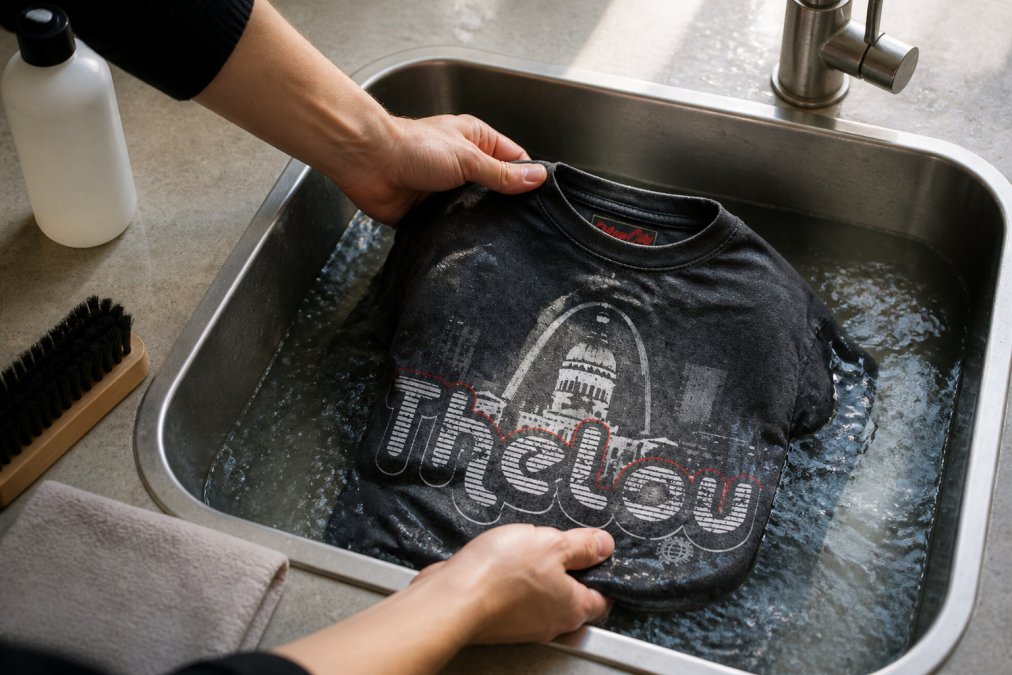
Wash in cold water only. Hot or warm water reverses some of the thermal shock effects and can cause uneven fading or color bleeding. Use water temperature below 60°F when possible to maintain the structural integrity that cold-water finishing created.
Turn garments inside out before washing. This protects the outer surface from direct drum friction and reduces surface shedding. The faded finish is most visible on the exterior, so minimizing contact between that surface and washing machine components extends the visual life of the piece.
Use gentle detergent and minimal agitation. Avoid bleach or brightening agents that can alter the faded color palette. Hand washing or delicate machine cycles preserve the finish better than normal cycles.
Air dry exclusively. Machine drying generates heat that can set stains and accelerate fiber degradation. Hang pieces in shade or lay them flat to dry. Direct sunlight can fade the remaining color unevenly.
Expect minimal shedding initially. New snow-washed pieces shed small amounts of powder during the first 3-5 washes. This is normal and doesn't indicate poor quality. Shedding diminishes substantially after initial washes as the finish stabilizes.
Store in cool, dry conditions. Keep pieces in breathable containers or on hangers in climate-controlled spaces. Avoid plastic storage bags that trap humidity.
Is Expensive Streetwear Worth the Price
The premium pricing on quality snow-washed pieces often puzzles buyers comparing surface appearance to cheaper alternatives. The answer lies in what you're actually paying for and what happens after six months of regular wear.
Fiber Integrity and Durability Investment
When you buy expensive streetwear with authentic snow-washed finishes, you're investing in garments that maintain their structure and appearance through extended use. Premium brands use high-grade cotton that withstands the thermal shock process without becoming brittle. The fibers retain elasticity, preventing the pilling and thinning that plague cheaper alternatives.
Cheaper snow-washed pieces often use lower-quality cotton or cut corners on the finishing process. Within 10-15 washes, the finish deteriorates noticeably. Colors bleed unevenly. The fabric develops pilling across high-friction areas. Seams begin separating because the base material couldn't handle the finishing stress.
Premium garments maintain their visual character for 50+ washes. The faded finish remains consistent. Colors don't shift unexpectedly. The fabric hand stays soft and supple. A quality snow-washed tee worn regularly for two years costs roughly $0.05 per wear. A $15 alternative that falls apart in six months costs $0.10 per wear despite the lower initial price.
Quality snow-washed garments develop additional character with time, slight additional fading in high-wear areas and subtle color deepening in protected sections. This natural aging feels authentic. Cheap pieces just look increasingly worn out and damaged.
Premium Fabric Customization and Finish Quality
High-end brands invest in precision equipment, skilled operators, and quality control processes that cheaper manufacturers skip. Temperature is monitored throughout the cycle. Mechanical action intensity is calibrated to specific fabric weights and weaves. Each batch is inspected for consistency before shipping.
Cheaper manufacturers run high-volume, low-margin operations where quality control becomes statistical rather than piece-by-piece inspection. Batches with inconsistent fading ship anyway because stopping production costs more than accepting quality variance.
Premium customization also matters. Expensive streetwear brands often create finish variations, some pieces get lighter snow washing for subtle effects, others get heavier treatment for dramatic fading. This requires skilled technicians making real-time decisions during production.
The graphic printing on premium pieces also reflects the higher price. NewCity Brand uses high-quality inks that bond properly to snow-washed surfaces and resist cracking through repeated washing. Cheaper pieces use lower-quality inks that crack, fade, and peel within months.
Identifying High-Quality Snow Washed Pieces
Distinguishing authentic premium snow washing from cheap imitations requires understanding what quality actually looks like.
Examine the fading pattern. Quality snow washing produces dimensional fading with bright highlights in specific areas and preserved color in protected zones. The transition between faded and unfaded sections should feel intentional and consistent across the garment. Cheap alternatives often show blotchy, uneven fading that looks accidental.
Feel the fabric hand. Premium snow-washed cotton feels soft and supple despite the finish. The texture should feel controlled, a subtle powdery quality without roughness or brittleness. If the fabric feels stiff or scratchy, the finishing process likely compromised fiber integrity.
Check seam construction. Premium garments use reinforced seams with proper stitch density. The thread should match the fabric color, and seams should lie flat without puckering. Cheap alternatives often use minimal stitching and seams may already be separating.
Assess color consistency. The faded color should be even across similar areas. Stark variations indicate quality control issues. Premium brands maintain consistency within acceptable tolerances.
Look at graphic placement and quality. Any printed graphics should be crisp and well-registered. The ink should feel bonded to the fabric rather than sitting on top. Premium pieces use inks formulated specifically for snow-washed surfaces.
Consider the weight and drape. Quality snow-washed pieces maintain proper weight and drape despite the finishing. They should hang naturally without bunching or distorting.
Test initial shedding. Rub the surface gently with a dark cloth. Minimal powder transfer is normal. Excessive powder indicates either over-finishing or low-quality base material.
NewCity Brand's snow-washed pieces, like the Snow-Washed St. Louis "The Lou" Graphic Tee and Snow-Washed Snap Collar Hoodie, exemplify these quality markers. The fading is dimensional and intentional. The fabric feels soft despite the finish. Seams are reinforced. Graphics are crisp and durable.


Conclusion
Understanding snow washed fabric texture transforms how you evaluate streetwear quality and justifies the premium pricing on pieces that deliver authentic craftsmanship. The finish isn't just aesthetic, it's a technical achievement that requires precision equipment, quality materials, and skilled execution. Cheap imitations might look similar initially, but they deteriorate quickly because they cut corners on the processes that preserve fiber integrity and visual character.
When you invest in genuine snow-washed pieces from NewCity Brand, you're getting garments engineered to maintain their faded aesthetic, soft hand feel, and structural integrity through years of regular wear. Our snow-washed collection, including the LA "City of Angels" Snow-Washed Tee and New York Sports Logo Snow-Washed Tee, combines precision finishing with high-grade cotton and reinforced construction. Each piece amplifies your city identity while delivering the premium quality that separates authentic streetwear from mass-market alternatives. Shop now → and experience the difference that real craftsmanship makes.
| Quality Indicator | Premium Snow Wash | Budget Alternative |
|---|---|---|
| Fading Pattern | Dimensional, intentional | Blotchy, inconsistent |
| Fabric Feel | Soft, supple | Stiff, brittle |
| Seam Construction | Reinforced, flat | Minimal, puckered |
| Color Consistency | Even across similar areas | Stark batch variation |
| Graphic Quality | Crisp, bonded ink | Cracking, peeling |
| Initial Shedding | Minimal powder | Excessive powder |
| Durability | 50+ washes | 10-15 washes |
According to textile industry standards for garment finishing, proper cold-water treatment requires precise temperature maintenance throughout the cycle to achieve consistent fiber modification. Research from fabric science studies on thermal shock effects demonstrates that garments treated with controlled thermal shock maintain superior fiber integrity compared to abrasive finishing methods. The Sustainable Apparel Coalition's environmental impact assessment confirms that snow washing produces significantly less textile waste than traditional stone washing, making it the preferred method for environmentally conscious manufacturers prioritizing both quality and sustainability.
Frequently Asked Questions
What does snow washed fabric texture actually mean?
Snow washed fabric texture refers to a finishing process that creates a soft, faded, powdery surface on textiles, typically cotton or cotton blends. The term describes the aesthetic result: a cold-tone, frost-kissed appearance that mimics the effect of winter snow on fabric. Unlike stone washing, which uses abrasive stones, snow washing relies on cold-water treatment, thermal shock, and controlled mechanical action to achieve surface dust removal and a naturally broken-in feel. This creates a unique, lived-in texture that feels instantly vintage while maintaining fiber integrity.
How does snow washed fabric differ from stone washed?
Snow wash and stone wash both create faded finishes, but through different methods. Stone washing uses pumice stones or ceramic stones in industrial drums to abrade fabric surfaces, creating more aggressive texture and heavier fading. Snow washing uses cold-water exposure, freezing-point temperatures, and gentler mechanical action to achieve a softer, more uniform powdery aesthetic. Snow wash results in less fiber breakdown, better fabric longevity, and a more delicate, high-end finish. Stone washing tends to create more visible distressing and rougher surface abrasion, making it less suitable for premium streetwear that prioritizes both durability and refined aesthetics.
Is snow washed fabric durable for daily streetwear wear?
Yes, snow washed fabric is durable for daily wear when properly cared for. The finishing process, while creating a faded aesthetic, does not significantly compromise cellulose bonds or fiber integrity if executed correctly. Premium snow washed pieces maintain their structural strength while offering that desirable vintage texture. Durability depends on the quality of the base fabric, the precision of the washing technique, and proper post-wash care. High-end brands like NewCity Brand use high-grade cotton that withstands the snow washing process and maintains performance through regular wear. Treating snow washed garments with cold-water washing and gentle handling ensures they retain their appearance and durability over time.
What should I look for in high-quality snow washed apparel?
Quality snow washed pieces display even fading without excessive pilling, consistent powdery texture across the garment, and soft hand-feel indicating preserved fiber structure. Check that seams are reinforced and graphics remain vibrant despite the faded finish. The fabric should feel substantial, not thin or brittle. Inspect for uniform color distribution, poor snow washing creates blotchy, uneven fading. Premium brands invest in superior base fabrics and controlled washing techniques, resulting in pieces that feel both vintage and durable. Look for pieces that maintain their shape after washing and don't show signs of fiber breakdown like excessive fraying or deterioration in high-stress areas.
This article was written using GrandRanker