

Last Updated: October 23, 2026
Quick Summary
To shop for clothes with intention, audit your existing wardrobe first, identify your personal style and genuine gaps, create a specific shopping checklist, and evaluate every purchase using the cost-per-wear test. This approach transforms your closet into pieces you actually wear while spending less money overall.
- Audit your wardrobe by category, apply a wear test for the last 12 months, and create written gap and duplicate lists to shop against.
- Use the 48-hour rule, turn off brand notifications, and unfollow accounts that trigger impulse purchases to add friction between wanting and buying.
- Calculate cost-per-wear by dividing price by realistic annual wears, using your actual calendar to estimate frequency rather than optimism.
- Set a specific shopping checklist before buying with exact items, colors, fits, and price ranges instead of vague categories.
- Every piece in an intentional wardrobe should work with at least three other pieces and actually be worn within a 12-month period.
Table of Contents
- Why Shopping With Intention Matters
- Audit Your Wardrobe Before You Buy Anything
- How to Find Your Personal Style
- Build Your Wardrobe Shopping Checklist
- How to Stop Impulse Buying Clothes
- Evaluate Every Purchase With the Cost-Per-Wear Test
- Shop With Intention and Build a Wardrobe That Works
- Frequently Asked Questions
Why Shopping With Intention Matters
Most people buy clothes reactively, driven by whatever catches their eye: a sale sign, an influencer's fit, three impulse clicks, the opposite of how to shop for clothes with intention. Before long, your closet is full of pieces you barely wear and your bank account feels the damage.
Shopping with intention is different. It means asking hard questions before you buy. Will this actually work with what I own? Will I wear this in six months? Does this fit my real life, or just my fantasy of who I want to be?
When you shop with intention, your closet becomes a collection of pieces that work together. Getting dressed takes less time, you spend less, and you feel better about what you own. At NewCity Brand, every piece is designed to be worn, not just displayed.
The average person spends thousands on clothes annually, much of it on pieces that sit unworn. Intentional shopping cuts through that waste by forcing clarity about what you actually need versus what you think you want.
Audit Your Wardrobe Before You Buy Anything
Before adding a single new piece, understand what you already own.
The problem with most audit advice is that it stops at "make a keep pile." That doesn't tell you what to do next.
Step 1: Set up a working surface and a notebook. Clear a bed or a large table.
Step 3: Apply a wear test, not a feeling test. Ask one measurable question: have I worn this in the last 12 months?
Step 4: Sort into four piles, not three. Keep, Repair, Donate/Sell, and Maybe. The Repair pile is the one most people skip: a missing button or broken zipper is a fix, not a reason to replace. Set a two-week repair deadline; if you haven't taken it in by then, move it to Donate/Sell. The Maybe pile gets a two-week trial, if you don't reach for those items, they go.
Step 5: Write your gap list and your duplicate list. After sorting, review the notebook.
Step 6: Photograph the keep pile. Lay the keep items out by category and take one photo per category. Keep the photos on your phone.
How to Find Your Personal Style
Personal style isn't innate. It's built through observation, experimentation, and honest reflection about what makes you feel like yourself.
Start by gathering inspiration: a folder of outfits, pieces, and color combinations that resonate with you. Look at street style, fashion accounts, and people whose aesthetic you admire.

After collecting 20-30 images, step back and look for themes. Learn how a minimalist wardrobe color palette can help you identify and refine these patterns into a cohesive personal style.
Next, think about your actual life. What do you do most days, and in what environment?
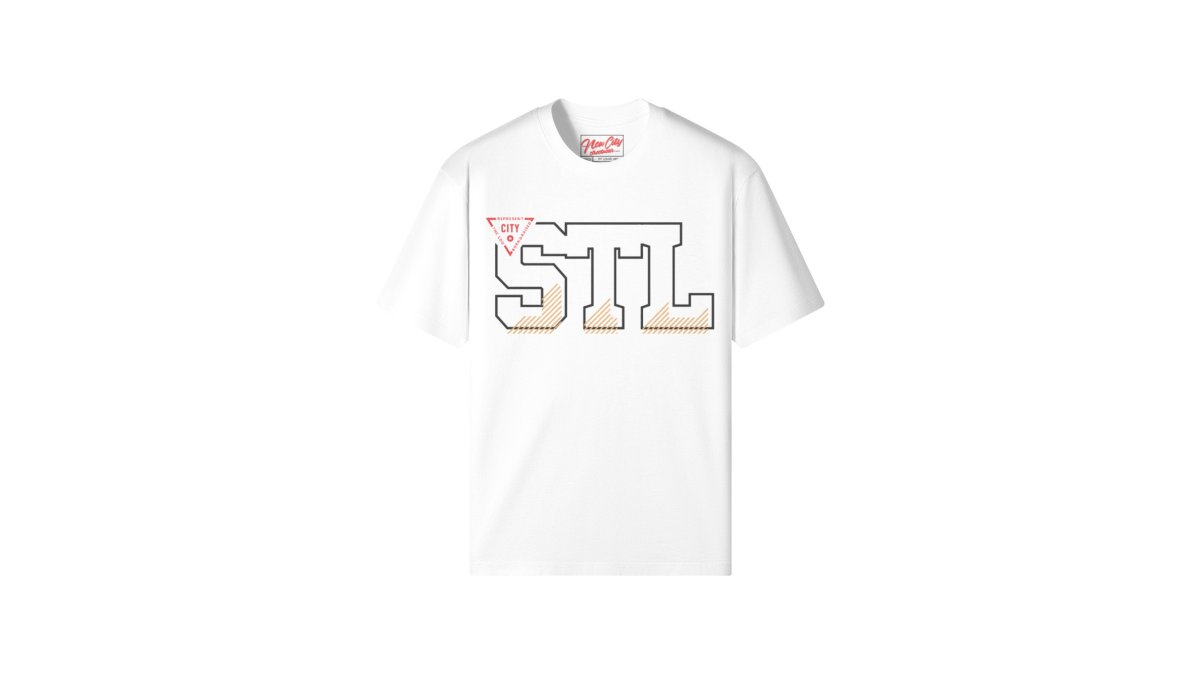
For many people, personal style involves celebrating where they're from. NewCity Brand pieces like the Classic Fit Crew Neck T‑Shirt, STL 314 let you rep your city identity while building a cohesive wardrobe.
Try learning how to build a minimalist wardrobe to see how personal style connects to intentional closet building.
Build Your Wardrobe Shopping Checklist
A shopping checklist keeps you accountable. Before you enter a store or open a shopping app, write down what you actually need. This single step stops most impulse purchases.
Your checklist should include:
- Specific items you need (not vague categories like "tops")
- The colors that work with your existing wardrobe
- The fit and silhouette you're looking for
- Realistic price range per item
- Brands or stores where you'll shop
Be specific. "A blue sweater" is too vague; "a navy crew neck that works with my jeans and for casual Fridays" is a real checklist item. Specificity creates discipline.
Before adding anything to your cart, check it against your list. Does it match what you wrote down?
Consider starting a capsule wardrobe affordably to see how a structured shopping approach builds a functional closet that lasts.
The checklist also reveals patterns. If you keep buying the same type of item, you've found something that works, buy more of it.
How to Stop Impulse Buying Clothes
The fix is friction. Add steps between wanting something and owning it.
First, implement the 48-hour rule. Add the item to your cart or a wishlist and wait 48 hours. Then ask: Do I still want this?
Classic Fit Crew Neck T‑Shirt — STL 314 →
Most of the time the answer is no. That piece you loved at 11 PM looks different in the morning light, and the urgency fades.
Second, turn off notifications. Brands use push notifications and emails to create artificial urgency. You don't need a notification telling you about a sale.
Third, unfollow accounts that trigger impulse buying. If an influencer's content makes you want to buy things you don't need, unfollow them.
Evaluate Every Purchase With the Cost-Per-Wear Test
Cost-per-wear is the most powerful tool when you shop for clothes with intention, forcing you to think about longevity instead of just price.
Here's how it works. Take the price of an item and divide it by how many times you'll realistically wear it. A $100 sweater you wear 50 times costs $2 per wear.
Suddenly, expensive quality pieces look cheap. Cheap impulse buys look expensive.
Use this formula:
Cost Per Wear = Total Price ÷ Number of Times You'll Wear It
Estimate wears from your calendar, not your optimism. Before you buy, look at the last four weeks of your actual life. How many days did you dress for work, for weekends, for going out, for exercise? That pattern is your realistic wear window. If you work from home four days a week, a structured blazer will not get the wears you imagine. A common pattern is that shoppers estimate occasion pieces at three to four times their real frequency.
Use a one-year horizon for the first calculation. Estimate wears over the next 12 months, not the life of the garment. This keeps the estimate grounded and lets you compare pieces fairly.
Worked examples:
- A $120 pair of everyday jeans worn three times a week is about 156 wears in a year, or roughly $0.77 per wear.
- A $45 trend top worn once a month is 12 wears, or $3.75 per wear.
- A $200 coat worn five times a week through a three-month cold season is about 65 wears, or roughly $3.08 per wear, and it keeps dropping in year two.
- A $25 sale dress worn twice is $12.50 per wear, which is the most expensive item in this list.
Set thresholds that match the garment type. A common working rule is that everyday basics should land under $2 per wear in the first year, while occasion and outerwear pieces can sit higher because their wear life is longer. The threshold matters less than applying the same number consistently so you can compare candidates side by side.
Add care and repair to the math. A garment that needs dry cleaning every wear carries a cost the price tag doesn't show.
Use cost per wear as a tiebreaker, not a veto. If two pieces both fit your gap list and budget, the lower cost per wear wins. If a piece fails the wear estimate, it belongs on a wishlist, not in your cart.
This test also reveals why quality matters: an $80 sweater worn 100 times costs $0.80 per wear, while a $30 sweater worn 10 times costs $3. The expensive sweater is actually cheaper, but only if the wear estimate is honest.
Here are worked examples showing how cost-per-wear reveals the true expense of different garments over a year.
| Item | Price | Estimated Wears | Cost Per Wear |
|---|---|---|---|
| Everyday jeans | $120 | 156 per year | $0.77 |
| Trend top | $45 | 12 per year | $3.75 |
| Winter coat | $200 | 65 per year | $3.08 |
| Sale dress | $25 | 2 per year | $12.50 |
Shop With Intention and Build a Wardrobe That Works
Intentional shopping is a skill. The first time you pass on something you want, it feels hard; after a few months it becomes automatic.
The brands you choose matter too. The Classic Boxy Hoodie, STL and Brushed Fleece St. Lou 314 Sweatpants are designed to layer, to mix, to become part of your everyday rotation.


Real intentional shopping creates a wardrobe where:
- Every piece works with at least three other pieces
- You actually wear everything you own
- Getting dressed takes less time
- You spend less money overall
- You feel confident in what you're wearing
This isn't minimalism for its own sake. It's efficiency. It's clarity. It's knowing exactly why every piece is in your closet.
Start today: audit what you own, define your personal style, build your checklist, then shop differently. Your closet will reflect who you actually are, not who you think you should be.
According to research on consumer spending habits, the average person spends significantly on clothing they rarely wear. Intentional shopping practices directly counter this pattern by creating accountability at purchase time.
Frequently Asked Questions
How can I tell whether I'll actually wear a clothing item?
Ask yourself three questions before buying: Does this fit my lifestyle and daily routine? Can I wear it at least 30 times? Does it work with at least three pieces I already own? If you hesitate on any answer, skip it. Items you'll actually wear should feel obvious and fit seamlessly into your existing wardrobe, not require you to build an entire outfit around them.
What should I consider before buying a new outfit?
Use the cost-per-wear test: divide the price by how many times you expect to wear it. A $50 piece worn 50 times costs $1 per wear; the same piece worn 5 times costs $10 per wear. Also check fit, fabric quality, and whether it matches your personal style. Premium pieces like the Classic Fit Crew Neck T-Shirt ($36) work best when they align with your existing wardrobe and lifestyle, not when they're impulse buys.
How do I shop for clothes without impulse buying?
Implement a 48-hour wait rule: add items to your cart but don't buy immediately. Sleep on it. If you still want it after two days, check it against your wardrobe shopping checklist. Also avoid shopping when emotional, tired, or during sales. Shop with a list of specific gaps you've identified in your wardrobe audit, not for general browsing. This shifts you from reactive to intentional buying.
How do I build a wardrobe around clothes I already own?
Start by auditing what you have: lay out all your pieces and identify what you actually wear versus what sits unused. Find your color palette and style patterns. Then shop only for gaps that create new outfit combinations with existing pieces. Quality versatile basics like the Classic Boxy Hoodie ($52) or Brushed Fleece Sweatpants ($42) multiply your outfit options. Every new piece should work with at least three items you already own.
Ready to build a wardrobe that actually works for you? Start with pieces designed to be worn. Shop NewCity Brand's collection of intentional streetwear pieces like the Casual Sportswear Set, ST. LOU 314 and build a closet that celebrates your city identity while staying true to your personal style. When you shop with intention, every piece earns its place.
