

Table of Contents
- What Makes High-Quality Streetwear
- Best Fabric for Streetwear Hoodies
- Durable Streetwear Construction Techniques
- Print Quality and Graphic Longevity
- Is Expensive Streetwear Worth the Price
- Identifying Authentic Craftsmanship
- Care and Maintenance for Longevity
- Frequently Asked Questions
Last Updated: September 24, 2026
What Makes High-Quality Streetwear
High quality streetwear prioritizes longevity through deliberate choices in fabric composition, construction integrity, and design philosophy. The difference lies in pieces that hold their shape and color after dozens of washes versus those that fade, shrink, and deteriorate within months.
A premium hoodie and budget alternative may look identical on a hanger, but fabric weight, seam construction, binding methods, and print durability reveal the true story. Understanding these markers lets you evaluate quality independently, without relying solely on brand name or price.
This guide breaks down the technical standards defining premium streetwear, from fabric specifications to care protocols that extend garment life.
Best Fabric for Streetwear Hoodies
The foundation of any quality hoodie starts with the fabric. Not all cotton is created equal, and the difference between heavyweight and lightweight constructions fundamentally changes how a piece performs and ages.
Understanding Fabric Weight and GSM
Fabric weight, measured in grams per square meter (gsm), directly correlates with durability and longevity. A heavyweight hoodie typically ranges from 350-450 gsm, while lightweight alternatives fall between 200-280 gsm. The American Society for Testing and Materials standards for textile weight establish these measurement protocols as industry benchmarks.
Higher gsm means denser fabric construction, providing increased resistance to pilling, better shape retention, and superior color saturation. A 400 gsm hoodie maintains structure after repeated wear, while a 250 gsm piece thins out and loses definition.
NewCity Brand's Heavyweight Sun-Faded Hoodie uses 400g/m² 100% combed cotton construction, delivering a dense, lived-in texture. The weight provides enough body to hold structure while remaining soft and comfortable for everyday movement.

Heavyweight Cotton vs. Lightweight Blends
Heavyweight pure cotton at 400+ gsm resists shrinkage, maintains color integrity, and develops character through wear. The trade-off is weight and drying time.
Lightweight blends reduce weight and improve moisture-wicking but sacrifice longevity, synthetic fibers pill more readily and experience differential shrinkage. For lasting streetwear, heavyweight pure cotton typically outperforms blended alternatives.
Choose based on climate: 420g/m² pure cotton suits temperate climates and frequent wear, while lightweight blends work better for layering or warm regions.
Durable Streetwear Construction Techniques
Beyond fabric selection, how a garment is assembled determines whether it survives regular wear or deteriorates within a season. Construction quality separates pieces that develop character from those that develop damage.
Seam Integrity and Stitching Standards
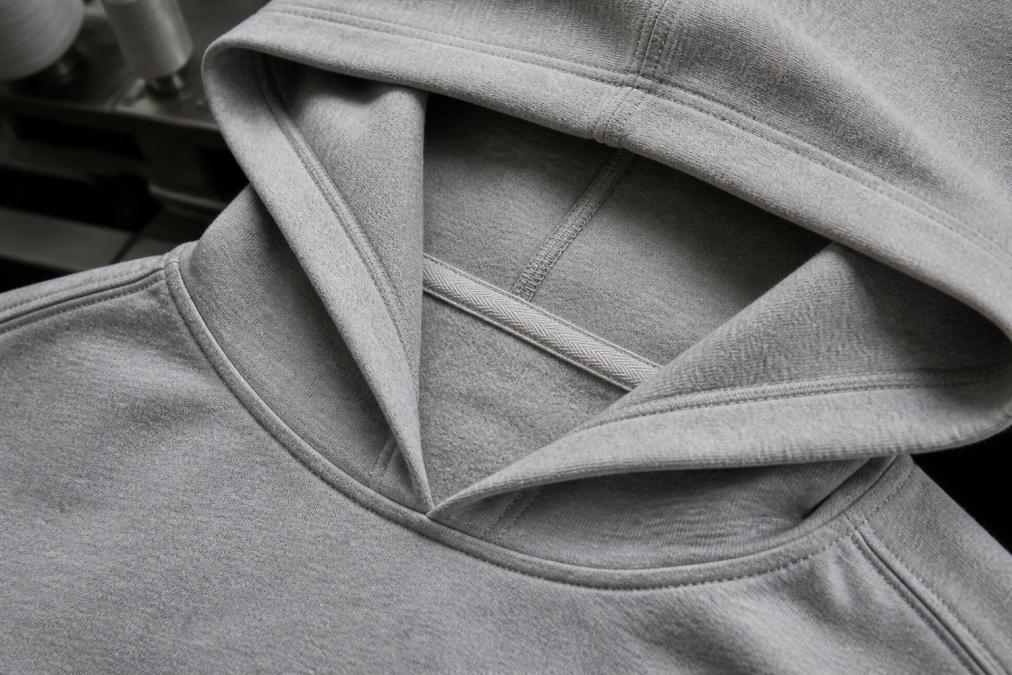
Single-stitched seams fail first under stress. Double-stitched seams on high-stress areas like armholes and shoulders distribute tension across multiple thread lines, so one failure doesn't unravel the garment.
Flatlock seams represent the premium standard for hoods, laying fabric edges flat rather than overlapping them. This technique requires precision and skill, appearing primarily in higher-end pieces.
Stitch density matters, tighter stitching creates stronger seams. What matters is consistency, tension, and placement, not visibility. Uneven or loose stitching indicates rushed construction.
Binding, Taping, and Reinforcement Methods
Neck binding with reinforcement tape sewn underneath prevents the neckline from stretching 2-3 inches over months of use. Without it, the fit is ruined.
Shoulder taping reinforces the area where sleeves attach to the body, one of the highest-stress zones in any garment. Quality pieces tape both the inside and sometimes the outside of shoulder seams, distributing stress and preventing seam separation.
Double-stitched ribbed cuffs and hems lock in the elastic, preventing the ribbing from separating from the body fabric. This detail prevents the common failure where cuffs start peeling away after a few months.
Print Quality and Graphic Longevity
A premium graphic can be destroyed by poor print execution. Screen printing and embroidery durability depend on technique, ink quality, and proper curing.
Quality screen-printed graphics feel smooth and integrated, not plasticky. Proper flash cure between color layers ensures each color bonds fully. Undercured prints crack and peel within weeks; overcured prints become brittle.
Reactive dyes, which chemically bond to cotton fibers, maintain color far longer than standard plastisol inks. After 10-15 washes, reactive-dyed graphics retain vibrancy while standard prints fade noticeably.
Embroidery, when executed properly, outlasts screen printing. Quality embroidery uses thread that matches the fabric weight and color, with proper backing to prevent puckering. Poor embroidery shows loose threads, uneven stitching, and backing that peels away.
Is Expensive Streetwear Worth the Price
Price and quality don't always correlate linearly, but understanding what you're paying for, both in garment longevity and production ethics, helps determine whether a piece offers genuine value or simply carries a brand premium.
Cost-Per-Wear Analysis
Evaluate expensive streetwear through cost-per-wear: divide price by realistic wears. A $64 hoodie worn 100 times equals $0.64 per wear; a $200 hoodie worn 50 times equals $4 per wear. Premium pieces must last significantly longer to justify the cost.
Heavyweight Sun‑Faded Hoodie — STL 314 →
High quality streetwear survives 200+ wears before significant wear; budget alternatives deteriorate after 50-75 wears. This longevity gap makes expensive pieces cost-effective if worn regularly.
A 400 gsm pre-shrunk heavyweight cotton hoodie resists pilling and preserves color through dozens of washes. A 250 gsm alternative pills within weeks and fades after 10 washes, requiring replacement sooner.
Consider frequency of wear. Premium basics, solid-color hoodies, plain tees, neutral jackets, justify higher prices because you'll wear them regularly. Limited-edition or trend-driven designs may sit unworn after the trend passes, inflating cost-per-wear.
Resale Value and Exclusivity
Premium streetwear pieces often retain resale value, particularly limited-edition designs.
Supply Chain Transparency and Ethical Manufacturing
One of the most overlooked factors in streetwear pricing is where and how the garment was made. Premium brands increasingly justify higher prices through transparent supply chains and ethical labor practices, yet most consumers never investigate this dimension.
Ask where your streetwear is manufactured. Ethical manufacturers pay workers fairly and provide safe conditions; budget brands cut costs in facilities with minimal wages and poor conditions.
Look for third-party certifications that verify ethical production. The Fair Trade Certified label, Global Organic Textile Standard (GOTS) certification, and SA8000 social accountability certification all indicate independent verification of labor practices and environmental standards. Brands displaying these certifications have submitted to audits and maintain documented standards for worker treatment, safety, and environmental impact.
Environmental impact justifies premium pricing. Organic cotton, recycled fibers, and low-impact dyes cost more than conventional alternatives, directly raising garment prices.
When evaluating whether expensive streetwear justifies its cost, consider the full picture: Will you wear it 200+ times? Is it made from durable, quality materials? Are the workers who made it paid fairly and working in safe conditions? Does the brand minimize environmental impact? Premium pricing that reflects all these factors represents genuine value. Premium pricing that reflects only brand hype and marketing does not.
Identifying Authentic Craftsmanship
Beyond specifications, craftsmanship reveals itself through attention to detail that doesn't appear on product tags.
Examine the inside of a garment first. Quality pieces show finished seams, proper binding, and consistent stitching throughout. Cheap construction shows loose threads, unfinished edges, and inconsistent stitch tension. The inside is where corners get cut because most people never look.
Check the collar and cuff construction. Quality binding sits flat and smooth, with no puckering or loose edges. Seams should follow straight lines without wavering. Poor construction shows crooked seams and binding that pulls away from the fabric.
Graphic placement matters. Premium pieces position graphics symmetrically and with precision. Budget alternatives often show misaligned prints or embroidery placed slightly off-center. This precision requires skilled labor and proper equipment.
Weight and drape reveal construction quality immediately. Hold the piece, does it feel substantial or flimsy? Does it drape naturally or feel stiff?
Care and Maintenance for Longevity
Premium streetwear demands proper maintenance to justify its cost. Improper washing destroys quality garments faster than wear itself. Understanding the mechanics behind each care recommendation helps you preserve your investment.
Water Temperature and Wash Cycle Selection
Wash in cold water on a gentle cycle with mild detergent. Cold water prevents dye migration (where dyes leach into wash water), preserving color saturation through dozens of cycles.
Drying Methods and Temperature Control
Hang dry whenever possible. Machine drying causes friction that accelerates pilling and weakens seams, and heat causes shrinkage and can melt synthetic components.
Stain Treatment and Spot Cleaning
Address stains immediately before washing. Fresh stains are far easier to remove than set-in stains. Blot (don't rub) the stain with a clean cloth to remove excess liquid or debris. Rubbing pushes the stain deeper into fibers and can damage the fabric surface.
Storage and Seasonal Care
Keep pieces in a cool, dry environment away from direct light. Proper storage prevents mildew, fading, and pest damage that can ruin expensive pieces during off-season storage. Fold rather than hang for long-term storage, hanging stretches shoulder seams and can create permanent shoulder divots in heavyweight pieces.
Pressing and Finishing
Iron or steam at low temperatures (maximum 212°F). Use a pressing cloth to prevent direct heat contact with printed graphics or delicate fabrics.
Frequently Asked Questions
What are the key indicators of high-quality streetwear fabric?
Premium streetwear fabrics typically feature heavyweight cotton (380-420 gsm), tight weave construction, and durability through natural fibers. Look for 100% combed cotton or quality blends that resist pilling and shrinkage. Reactive-dyed fabrics hold color longer than standard dyeing methods. The fabric should feel substantial in hand, not flimsy, and maintain its structure through multiple washes. Brands that publish fabric specifications demonstrate transparency about material quality.
How does garment construction affect the durability of streetwear?
Construction directly determines how long a piece lasts. High-quality streetwear uses double-stitched seams, reinforced stress points, and binding-taped necks and shoulders to prevent unraveling. Side-seamed construction distributes wear more evenly than single-stitched pieces. Double-flatlock hood seams and coverstitch hems add durability. Poorly constructed pieces develop loose threads and seam separation within months. Premium brands invest in these techniques because they extend garment life by years, making them worth the higher initial price.
Is expensive streetwear worth the price?
Premium streetwear justifies higher prices through superior materials, construction durability, and design exclusivity. A $64 heavyweight hoodie with 400g/m² fabric and reinforced seams will outlast cheaper alternatives by 2-3 years, lowering cost-per-wear. Authentic craftsmanship and community authenticity add value beyond the garment itself. However, price alone doesn't guarantee quality, evaluate specific fabric weight, construction methods, and print durability rather than assuming all expensive pieces are better made.
What role does ethical manufacturing play in streetwear quality?
Ethical manufacturing practices correlate with consistent quality control and worker expertise. Facilities with fair labor standards and sustainable practices typically maintain higher production standards. These manufacturers invest in proper equipment, skilled workers, and quality oversight that prevents defects. Streetwear that celebrates community identity often reflects this commitment to doing things the right way, not just cutting corners for profit margins.