

Table of Contents
- Quality Streetwear Starts With Fabric, Not Hype
- How to Spot High-Quality T-Shirts: The 5-Point Check
- Decode the Label: GSM, Cotton Type, and Construction
- Check the Print: Screen Printing vs. Cheap Vinyl
- Inspect the Stitching and Hardware for Durability
- Is Expensive Streetwear Worth the Price?
- How to Care for Streetwear So It Lasts
- Your Quality Streetwear Checklist: What to Look For
- Frequently Asked Questions
Last Updated: September 8, 2026
Streetwear is one of the few fashion categories where a $40 t-shirt and a $400 t-shirt can look nearly identical in a photo. The difference only reveals itself in your hands: the density of the cotton, the integrity of the seams, the way a graphic survives its tenth wash. Learning how to identify quality streetwear before you buy separates collectors from people who just own a lot of clothes. At NewCity Brand, we build premium urban apparel around this exact standard: high-grade fabrics, heavyweight construction, and finishes that age with intention rather than fall apart.
The market is flooded with pieces that mimic the aesthetic of luxury streetwear but skip the substance. Most buyers get burned once by a hoodie that pills after three washes or a graphic that cracks into a brittle shell. That is why this guide exists. Below, we will show you exactly how to inspect fabric, decode labels, evaluate printing, and check stitching so you never overpay for hype again.
Quality Streetwear Starts With Fabric, Not Hype
The most important rule in streetwear is simple: the fabric is the product. Hype fades, limited drops get forgotten, but a heavyweight cotton garment with a proper hand-feel will still be in your rotation a decade from now. Before you look at a logo or a silhouette, your hands should do the first inspection.
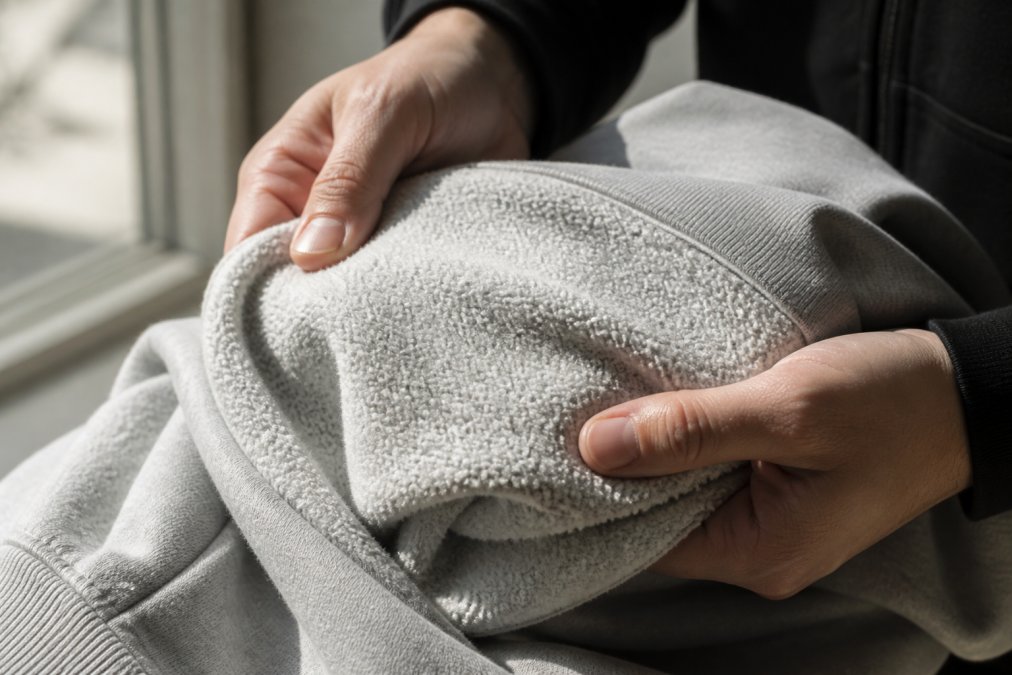
Quality streetwear is defined by its material density and construction. A premium hoodie should feel substantial when you hold it, draping with structure rather than clinging limply. The fabric should be tightly woven with a smooth exterior and a dense, brushed interior fleece. When you stretch the fabric, it should resist and snap back into place, not sag or lose its shape. This tactile evaluation is the fastest way to separate genuine quality from overpriced fast fashion.
How to Spot High-Quality T-Shirts: The 5-Point Check
A common mistake is assuming all premium t-shirts are created equal. To spot high-quality t-shirts, run this five-point check on any piece you are considering:
- Weight and drape: Hold the shirt at the shoulders. A quality tee should hang with body, not cling or feel sheer.
- Collar integrity: Stretch the neckband. A cheap collar will stretch out and stay warped; a quality one snaps back immediately.
- Shoulder seam placement: Seams should sit at your actual shoulder bone, not creep toward your neck or drop past your deltoid.
- Side seam construction: Look for a tubular knit or clean side seams. Raw or exposed seams are fine if they are intentional, not a cost-cutting measure.
- Fabric hand-feel: Rub the fabric between your fingers. Heavyweight cotton should feel smooth, dense, and substantial, never rough or paper-thin.
For an oversized or boxy fit, pay extra attention to the shoulder seam and how the sleeve attaches. A wide-set silhouette requires precise pattern cutting to avoid looking sloppy. The best boxy tees, like the Raw Seam Boxy Tee - East Bay 510, use raw edge paneling as a deliberate design choice, not as a way to hide fraying fabric.

Decode the Label: GSM, Cotton Type, and Construction
Fabric weight is measured in GSM, or grams per square meter. This number tells you more about a garment than any marketing copy. Standard t-shirts fall around 150-180 GSM, while premium streetwear tees typically range from 200-240 GSM (textileexchange.org). Hoodies and sweatshirts should hit 300 GSM and above to provide that structured, heavyweight feel.
The label also reveals the cotton type. Combed cotton has been processed to remove short fibers, resulting in a smoother, stronger yarn. Ringspun cotton is twisted into finer threads for durability. Look for 100% cotton or a cotton blend with a small percentage of elastane for stretch. Garment dye and snow-washed finishes, like the textures NewCity Brand uses on its hoodies, add a lived-in character while preserving fabric integrity.
Check the Print: Screen Printing vs. Cheap Vinyl
The graphic is where most streetwear brands cut corners. The cheapest method is heat-transfer vinyl, a plastic film that sits on top of the fabric. It feels stiff, cracks within months, and peels at the edges. Screen printing, by contrast, pushes ink directly into the fabric fibers, creating a print that flexes with the garment.
Quality screen printing should feel like part of the shirt, not a sticker on top of it. Run your fingernail across the graphic; it should be smooth or only slightly raised. Check the edges for crispness and look for tiny cracks in the design, which indicate the ink is flexing properly with the fabric. Embroidery should be dense and tight with no loose threads or gaps showing the backing material. A quality graphic will survive dozens of washes without fading or cracking, which is why NewCity Brand pairs iconic city graphics with screen printing that holds its color and edge definition.
Inspect the Stitching and Hardware for Durability
Garment construction is the difference between a piece that lasts five years and one that falls apart in five months. Flip the garment inside out and examine the seams. Quality stitching should be tight, consistent, and free of loose threads. Look for reinforced stitching at stress points: the shoulder seams, the hem, and the pocket corners. A double-needle hem is a good sign, as it prevents the fabric from rolling or fraying over time.
Hardware matters just as much as stitching. Zippers should glide smoothly without catching, and the pull should feel solid, not hollow. Snap buttons should close with a firm click and resist popping open under tension. Drawstrings should be thick, woven cotton or a durable synthetic, not cheap nylon cord that frays. The best way to test hardware durability is to use it repeatedly: zip and unzip the garment several times, snap and unsnap every button, and tug on the drawstrings. This quick check reveals weak points that would otherwise surface after a few wears.
Is Expensive Streetwear Worth the Price?
Expensive streetwear is worth the price when the cost reflects genuine material quality and construction, not just a logo. The premium you pay for a heavyweight hoodie or a screen-printed graphic tee often translates directly into fabric that holds its shape and prints that survive repeated washing. When a brand invests in high-grade fabrics, garment dye processes, and cut-and-sew construction, the higher price point is justified by longevity alone.
However, you can overpay for hype. Some brands charge luxury prices for standard blanks with a logo slapped on. The evaluation system in this guide protects you from that trap. Before you commit to a premium piece, verify the GSM, check the stitching, and feel the fabric. If the quality matches the price, it is a sound investment. NewCity Brand's Heavyweight Sun-Faded Hoodie - STL 314 is an example of the price-to-quality ratio done right: dense premium cotton, a unique faded finish, and construction built for daily wear.

How to Care for Streetwear So It Lasts
Quality streetwear is an investment, and how you care for it determines its lifespan. The most common mistake is washing garments too frequently and in water that is too hot. Heat breaks down cotton fibers and accelerates fading, while the agitation of a washing machine stresses seams and prints.
Follow these care rules to extend the life of your pieces:
- Wash cold, inside out. Cold water preserves color and protects screen-printed graphics from cracking (the CDC).
- Air dry whenever possible. Tumble drying shrinks cotton and degrades elastic fibers. Lay flat or hang dry to maintain the silhouette.
- Wash less often. Denim and hoodies do not need washing after every wear. Spot clean when possible and wash only when genuinely dirty.
- Separate by color. Dark garments can bleed onto lighter fabrics, especially in the first few washes.
- Store folded, not hung. Heavyweight knits stretch out on hangers. Fold hoodies and tees to preserve their shape.
Your Quality Streetwear Checklist: What to Look For
Before you buy any streetwear piece, run this final checklist. If a garment fails more than two of these checks, the price is probably not justified.
| Check | What to Look For | Red Flag |
|---|---|---|
| Fabric weight | 200+ GSM for tees, 300+ for hoodies | Sheer, flimsy material |
| Cotton type | Combed or ringspun, 100% cotton | Rough, thin synthetic blend |
| Print quality | Screen printed, flexible ink | Stiff vinyl, cracking surface |
| Stitching | Tight, reinforced seams | Loose threads, single-needle hems |
| Hardware | Smooth zippers, firm snaps | Hollow pulls, weak buttons |
| Collar | Snaps back after stretching | Warped, stretched neckband |
Quality streetwear is not about the logo on your chest; it is about the construction holding it there. Once you train your eye to evaluate fabric, stitching, and print quality, you will never be fooled by overpriced hype again. This standard is exactly what NewCity Brand builds into every piece, from the Snow-Washed Snap Collar Hoodie - St. Louis to the Raw Seam Paneled Miami Boxy Tee. We craft premium urban apparel that fuses metropolitan grit with luxury craftsmanship, so your fit becomes a statement of your city's identity.

Frequently Asked Questions
What role does fabric weight play in streetwear durability?
Fabric weight, measured in GSM (grams per square meter), is a strong predictor of how long a garment will hold up. Standard t-shirts often sit around 150-180 GSM, which can feel thin and lose shape quickly. Quality streetwear typically uses 240 GSM or higher for t-shirts and higher GSM for hoodies. Heavier fabric drapes better, resists pilling, and survives repeated washing without stretching out. When you pick up a piece, the weight should feel substantial without being stiff.
How can you tell if a graphic print will last?
Check the print method. Screen printing with water-based or plastisol inks bonds with the fabric fibers, so the design becomes part of the garment. Rub the graphic with your thumb: if it feels like a thick rubber sticker, it is likely a cheap vinyl transfer that will crack and peel within a few washes. Quality screen prints have a slight texture but flex with the fabric. Also, look at the edges of the design for clean lines without bubbling or lifting.
Does a higher price tag always mean better quality streetwear?
No. A high price often reflects branding, limited drops, and resale value rather than garment construction. Expensive streetwear is worth the price when it uses premium materials like heavyweight cotton, reinforced stitching, and detailed finishing. Before checking the tag, inspect the fabric weight, seam construction, and print quality. A $40 t-shirt with heavyweight cotton and reinforced shoulder seams will outlast a $200 piece with standard construction and a thin vinyl print.
What are the key indicators of high-quality fabric in streetwear?
Start with fiber content: 100% cotton or a cotton blend with a small percentage of elastane for stretch is ideal. Feel the texture, quality fabric feels dense and smooth, not rough or flimsy. Hold it up to the light, if you can see through it easily, the weave is too loose. Check for a clean, consistent dye job with no fading along the seams. Quality fabric also bounces back when you crumple it, rather than holding deep wrinkles.
The challenge is resisting the pull of hype and learning to trust your hands over the marketing. Once you know how to identify quality streetwear, you will buy fewer pieces, wear them longer, and look better doing it. NewCity Brand builds every garment with high-grade fabrics, heavyweight construction, and graphics that respect the culture. Get started with NewCity Brand and build a wardrobe that represents your city with the quality it deserves.