

Last Updated: October 29, 2026
Quick Summary
Luxury streetwear is the high-end segment of street fashion, defined by premium materials, limited production, elevated construction and prices well above mainstream streetwear. Its evolution runs from 1970s surf and skate logo tees through 1990s boutique curation and 2000s drops and resale to 2020s luxury consolidation, when scarcity, resale and margin turned a subculture into an industry vertical.
- Surf and skate shops printing their own logo tees in the late 1970s created the shop-as-brand model.
- 1990s boutiques mixed skate, hip-hop and Japanese denim, establishing the multi-brand curation model.
- Weekly drops and visible resale pricing gave luxury groups proof of pricing power.
- Luxury pieces use heavy cotton around 380-400 gsm with double-stitched, taped seams.
- Check taped neck seams, double-stitched cuffs and fabric weight before spending on a piece.
Table of Contents
- How Underground Streetwear Became a Luxury Market
- The Streetwear Fashion History Timeline: 1970s to Now
- The Influence of Hip-Hop on Streetwear
- Where Streetwear and High Fashion Collide
- Luxury Streetwear vs Mainstream Streetwear: What Actually Differs
- The Business Mechanics Behind the Shift to Luxury
- Credit, Appropriation and the Communities That Built the Look
- Building a Luxury Streetwear Wardrobe With City Identity
- Frequently Asked Questions
How Underground Streetwear Became a Luxury Market
Luxury streetwear is the high-end segment of street fashion, defined by premium materials, limited production, elevated construction and prices that sit well above mainstream streetwear. The history and evolution of luxury streetwear is a story of subculture becoming industry: looks born in skate parks, record shops and housing projects moved onto runways and into luxury retail within a single generation.
At NewCity Brand, we build premium urban apparel around city identity and high-grade fabrics. The crossover was a business shift, and the mechanics matter more than the mood boards. Below, we'll show you the seven eras that took streetwear from the underground to the luxury market.
The Streetwear Fashion History Timeline: 1970s to Now
The streetwear fashion history timeline runs through distinct decades, each adding a layer: surf and skate in the 1970s and 1980s, hip-hop and boutiques in the 1990s, drops and resale in the 2000s, then runway and luxury consolidation after that. The Fashion Institute of Technology's fashion history resources document how subcultural dress has repeatedly moved into the mainstream fashion industry. What most summaries skip is the sequence of specific, datable turning points that made each handoff possible. Here is the chronology, decade by decade, with the milestones that matter.
Late 1970s-1980s: Surf, Skate and the First Logo Tees
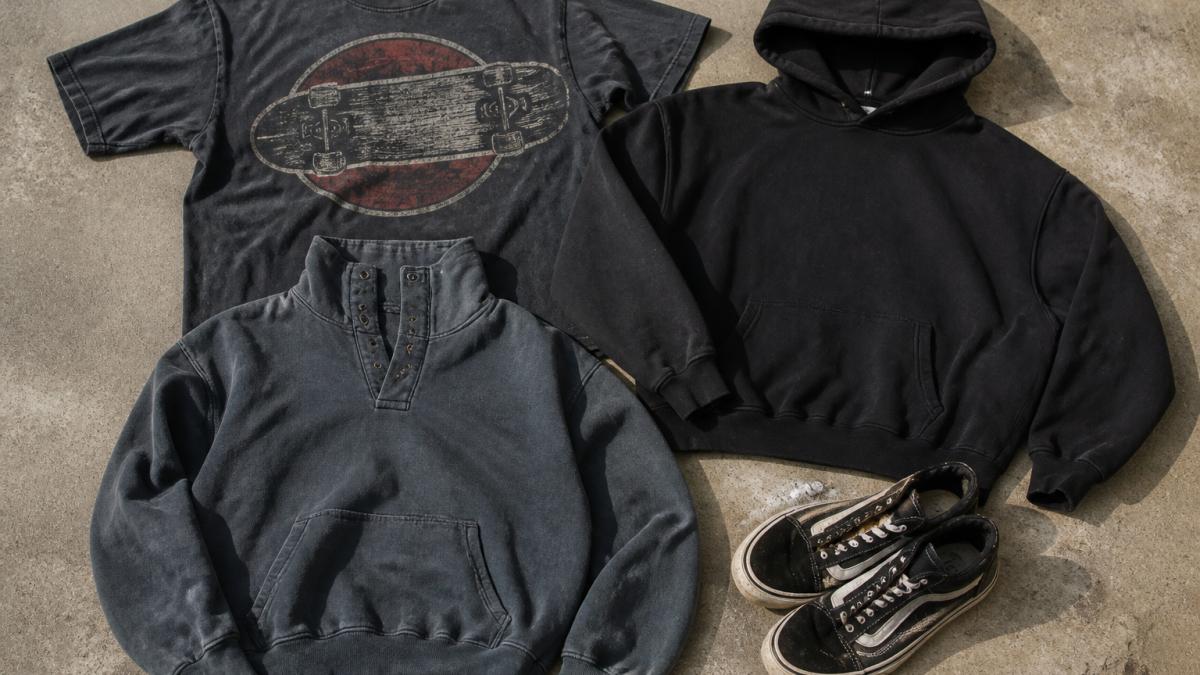
Surf and skate culture gave streetwear its first commercial shape. Small California and East Coast shops printed their own graphics on basic tees, and those shirts became membership cards for a scene. The clothing was cheap to make and impossible to buy anywhere else, which is exactly why it carried status. Youth culture wore the brand, not the other way around.
The dated milestones to anchor this era:
- 1976: A Southern California skate shop begins screen-printing its own logo tees for local riders, the template for the shop-as-brand model that later defines streetwear.
- Late 1970s: Surf-shop brands move from printing on blanks to producing their own boardshorts and tees, turning retail counters into cultural gatekeepers.
- 1980s: Skate videos and zines become the first distribution network for streetwear graphics, spreading a shop's logo far beyond its zip code.
- 1980s: Hardcore and punk scenes adopt the same DIY screen-print logic, adding band tees and patched denim to the visual vocabulary.
1990s: Hip-Hop, Hardcore and the Boutique Boom
Hip-hop and hardcore pushed streetwear into cities and gave it a harder edge. Independent boutiques opened as curators rather than retailers, mixing skate labels, hip-hop styling and imported Japanese denim under one roof. This decade built the template luxury would later borrow: scarcity, curation, and a founder with a real connection to the culture.
Milestones that define the boutique era:
- Early 1990s: New York and Los Angeles boutiques begin stocking skate, surf and hip-hop labels side by side, establishing the multi-brand curation model.
- Mid-1990s: Japanese denim and workwear imports enter the mix, introducing the fabric-quality conversation that luxury streetwear later leans on.
- 1990s: Founder-led labels build identity around a specific scene rather than a trend, which is why their archives still command resale premiums.
2000s-2010s: Drops, Resale and the Runway
Drops changed the economics. Weekly releases, limited runs and online resale turned streetwear into a market with secondary pricing, and that resale value became the signal luxury investors watched. Once pieces reliably sold above retail, high fashion had a financial reason to take streetwear seriously, not just an aesthetic one.
Milestones that mark the crossover:
- 2000s: Weekly drop calendars and online forums formalize the release-day model, training consumers to expect scarcity.
- Late 2000s: Resale marketplaces make secondary pricing visible, giving luxury groups a public read on demand.
- 2010s: Luxury houses appoint streetwear-trained creative directors and launch capsule collaborations, moving street silhouettes into mainline collections.
- 2010s: Sneaker and hoodie collaborations sell out at luxury price points, proving the margin case.
2020s: Consolidation and the Luxury Market
The 2020s turned the crossover into an established market segment. Luxury groups acquired or invested in streetwear-adjacent labels, resale platforms became mainstream retail channels, and the drop calendar moved from niche forums to brand-owned apps. The result is a luxury streetwear market with its own pricing tiers, authentication standards and secondary market, no longer a trend but an industry vertical.
The Influence of Hip-Hop on Streetwear
Hip-hop gave streetwear its scale. Artists wore workwear, sportswear and luxury logos side by side, and audiences copied the mix. That combination, high and low culture in one outfit, is the core of the influence of hip-hop on streetwear, and it is why luxury houses eventually wanted rappers in their front rows.
The detail most histories miss: hip-hop didn't just popularize brands, it taught consumers to read them. Logos became language. A label told you where someone came from and what they valued. Luxury fashion spent decades resisting that idea, then adopted it wholesale once the cultural power became obvious.
Where Streetwear and High Fashion Collide
Streetwear and high fashion collide where luxury houses adopt street silhouettes, graphic language and drop-based release models. Sneakers, hoodies and logo-heavy basics moved from skate shops into luxury retail, and the direction of influence flipped: street style started setting the pace for the fashion industry rather than following it.
For readers who want to go deeper on graphic identity, our guide to luxury streetwear brands with unique graphics covers the labels that built recognizable visual languages.
The collision wasn't smooth. Luxury customers resisted paying luxury prices for cotton basics, and streetwear customers resisted the markup. The brands that survived the friction did it by changing the product, not just the price tag.
Luxury Streetwear vs Mainstream Streetwear: What Actually Differs
Luxury streetwear differs from mainstream streetwear in four places: fabric weight and hand-feel, construction detail, production scale, and cultural specificity. A mainstream hoodie optimizes for cost per unit. A luxury piece optimizes for how it wears after a year.
| Factor | Mainstream Streetwear | Luxury Streetwear |
|---|---|---|
| Fabric | Lightweight blends, low gsm | Heavy cotton, 380-400 gsm |
| Construction | Single-stitch, basic seams | Double-stitched, taped, raw-seam detail |
| Production | Large runs, restocked | Limited runs, often one-time |
| Design source | Trend-following graphics | Specific city or scene identity |
| Price | Entry-level | Premium, justified by the above |
The practical test is simple. Turn the piece inside out. Look for taped neck seams, double-stitched cuffs and a fabric weight that holds its shape. Our breakdown of premium streetwear stitching walks through exactly what to check before you spend.
Brushed Fleece St. Lou 314 Hoodie →
The Business Mechanics Behind the Shift to Luxury
Scarcity, resale and margin explain the shift better than any design argument. Limited supply creates secondary demand, secondary demand proves pricing power, and pricing power is what luxury groups buy.
1. The collaboration structure. A luxury house plus a streetwear founder produces limited product, press coverage and instant resale value at low risk to the core line.
2. The drop calendar. Weekly or seasonal limited releases replaced continuous restocking.
3. Resale as price discovery. Secondary marketplaces made it possible to see what a piece sells for after retail.
4. Retail strategy. Streetwear moved from skate shops and boutiques into concept stores, then into luxury department stores and brand-owned flagships. Each step changed the customer: boutique buyers wanted scene credibility, luxury retail customers wanted design and status.
5. Fashion-house adoption. Luxury houses hired streetwear-trained creative talent and folded street silhouettes into mainline collections.
A common mistake is assuming luxury adopted streetwear out of respect. The U.S. Bureau of Labor Statistics apparel pricing data show how segmented apparel pricing behaves, and the premium end has held value far better than mass-market basics.
Credit, Appropriation and the Communities That Built the Look
Credit is where luxury streetwear's history gets uncomfortable. The silhouettes, graphics and styling came from skate, hip-hop, punk and working-class urban communities, and the designers who built them were often paid far less than the houses that later adopted their ideas. Cultural appropriation in fashion is not an abstract debate; it shows up in who gets credited and who gets paid.
The U.S. Copyright Office guidance on fashion design protection explains why clothing designs get thin legal protection, which leaves cultural credit to be negotiated rather than enforced.
Readers who want to dress with that history in mind should look at alternatives to generic city souvenir shirts rather than mass-printed slogans.
Building a Luxury Streetwear Wardrobe With City Identity
City identity is the part of luxury streetwear that still belongs to the wearer. A piece tied to a real place carries meaning a generic logo can't, and it connects the wardrobe back to the communities that built the look. Our guide to city-identity streetwear brands covers how to build around that idea.
Here's how we'd approach it:
- Start with one heavyweight hoodie in a neutral color, 380 gsm or above
- Add one boxy tee with visible construction detail
- Choose graphics tied to a city you actually know
- Check seams, fabric weight and wash before buying
- Buy one piece at a time and wear it hard
The 314 Collection St Louis built applies that checklist directly.
Best for: Urban tastemakers aged 18-40 who want premium pieces tied to a real city. Skip if: You want disposable trend pieces at entry-level prices.
Frequently Asked Questions
What is the history of luxury streetwear?
Luxury streetwear started with 1970s and 1980s surf and skate brands printing logos on tees for local scenes. Hip-hop culture pushed the look into the mainstream through the 1990s, and boutique labels built followings with limited runs. By the 2010s, luxury houses were hiring streetwear founders and staging drops, turning what began as underground style into a segment of the global fashion industry.
What is the difference between streetwear and luxury streetwear?
A 380g/m² brushed fleece hoodie with taped neck seams has different listed features from a lightweight printed tee.
How did the influence of hip-hop on streetwear change the fashion industry?
Hip-hop made oversized silhouettes, logo-heavy pieces and athletic wear desirable to a global audience. Artists wearing a brand on stage or in a video could move product faster than any ad campaign, which taught the fashion industry that cultural credibility sells. That shift opened the door for streetwear and high fashion to work together, and it is why collaborations with musicians remain a standard release strategy.
Is luxury streetwear still popular?
Yes, but the market has split. Demand is strong for well-made pieces with a real story, and weaker for generic logo product that carries a high price without better materials. Buyers now ask about fabric weight, fit and where a design comes from. Brands that answer those questions, especially those tied to a specific city identity, hold their value better than labels trading only on hype.
The hard part isn't finding luxury streetwear. It's finding pieces with real construction and a city story behind them, rather than a logo licensed onto a light blank. NewCity Brand builds for that gap: high-grade cotton fabrics at 380-400 gsm, gritty modern graphics rooted in local identity, and snow-washed textures that give each piece its own character. Get started with NewCity Brand and wear a city, not a trend.
