

Table of Contents
- Stussy vs Modern Urban Brands: The 2026 Streetwear Landscape
- Quick Comparison: Legacy Icons vs City-First Labels
- Heritage vs Hometown: How Brand Identity Shapes Your Fit
- Price-to-Quality Ratio: What Your Money Actually Buys
- How to Style Modern Streetwear for Your Body Type
- Minimalist Streetwear vs Graphic Heavy: Finding Your Aesthetic
- The Verdict: Which Urban Brand Earns Your Wardrobe?
- Frequently Asked Questions
Last Updated: September 6, 2026
Stussy vs Modern Urban Brands: The 2026 Streetwear Landscape
The streetwear conversation has shifted from "who dropped first" to "who drops with purpose." When you compare stussy vs modern urban brands, the real distinction isn't hype cycles or logo placement. It's the difference between a global surf legacy and a new wave of labels building identity around specific cities, premium fabric weight, and intentional garment construction. The gap between heritage names and city-first labels now defines how a generation chooses what to wear.
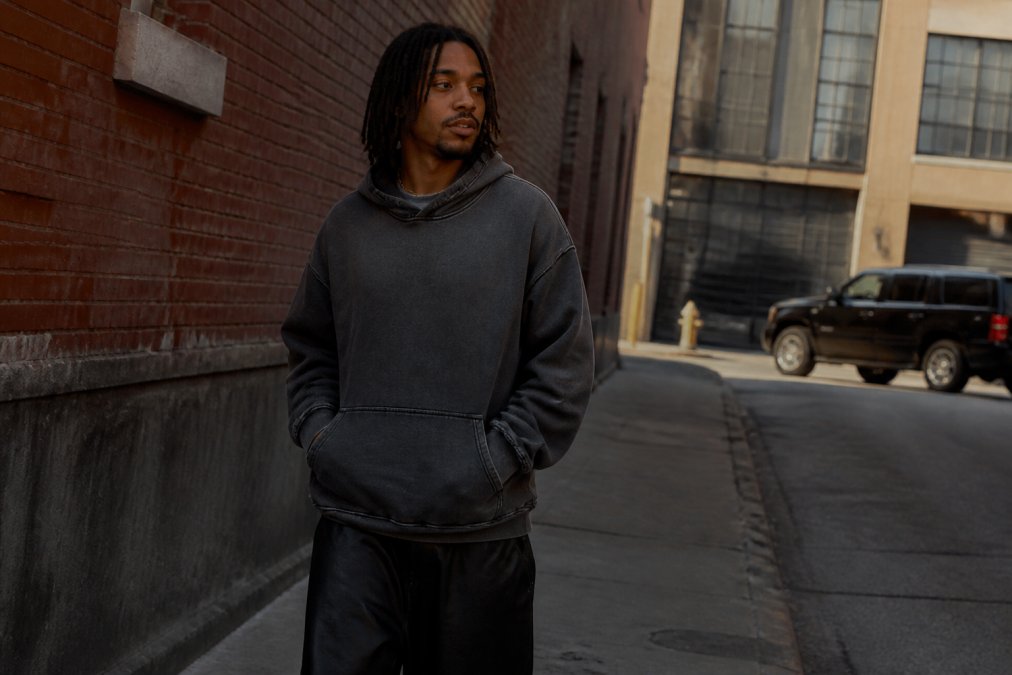
The modern urban label answers a question legacy streetwear never asked: what does your city's grit look like when translated into 380-gram cotton and snow-washed textures? That focus on local identity, rather than coast-to-coast sameness, is reshaping consumer behavior across the United States. Below, we'll break down how these two approaches differ across brand identity, pricing, styling, and long-term wardrobe value.
Quick Comparison: Legacy Icons vs City-First Labels
A legacy icon like Stussy built its name on surf culture and skate culture from the 1980s onward, spreading a California aesthetic to every corner of the globe. Modern urban brands flip that model: they start with a specific metropolitan identity and build the aesthetic around that community's energy. One approach broadcasts outward; the other roots itself locally.
The practical difference shows up in the product itself. Legacy pieces often rely on a recognizable logo to carry the design. City-first labels lean on garment construction, fabric weight, and textures like snow-washed finishes to deliver the story. For the urban tastemaker, that means a fit that feels personal rather than borrowed.
| Brand Approach | Identity Source | Design Focus | Typical Price Point | Best For |
|---|---|---|---|---|
| Legacy Icons | Global surf/skate heritage | Logo recognition, graphic design | Premium, brand-driven | Collectors, heritage fans |
| City-First Labels | Local metropolitan pride | Fabric weight, washes, construction | $52-$64, value-driven | Community-focused wearers |
Heritage vs Hometown: How Brand Identity Shapes Your Fit
To understand the divide, you have to look at the origin mechanics. Stussy began in the early 1980s when Shawn Stussy, a Laguna Beach surfer, started scrawling his signature on hand-shaped surfboards. That signature became a logo that rode the wave of West Coast surf culture into the emerging skate scene and, by the late 80s and early 90s, onto the backs of kids in New York and Tokyo who had never touched a board. The brand's identity is inherently exportable, it sells a California state of mind that doesn't require you to live there. This is the blueprint for the 'global heritage' model: a single origin point, a logo that travels, and a narrative that gains authenticity through distance and time.
Modern urban brands invert that supply chain of meaning. Instead of broadcasting one origin story outward, they drill down into the specific codes of a single metropolis. Consider the design language: a brand rooted in St. Louis might pull from the city's brick architecture, its blues legacy, or the raw energy of its industrial riverfront. A Brooklyn label might reference brownstone stoop culture, the grit of pre-gentrification Bushwick, or the borough's hip-hop lineage. The identity isn't a logo slapped on a blank tee; it's a set of visual cues, specific typefaces, neighborhood coordinates, and localized slang, that only resonate fully if you know the context. This creates a different kind of value: the value of recognition among your peers.
This shift mirrors a broader cultural move away from monolithic, coast-to-coast trends toward hyper-local authenticity. The 80s and 90s fashion resurgence that competitors mention often focuses on the logos, the boxy tees and bold prints. But the deeper legacy of that era is the DIY ethos, the idea that a brand could be born from a subculture (surf, skate, hip-hop) rather than a corporate boardroom. Modern city-first labels are the direct descendants of that DIY spirit. They aren't trying to be the next global giant; they are trying to be the definitive voice for their specific block, borough, or metro area. When you wear a piece stamped with your area code, you aren't just buying a hoodie, you're broadcasting a set of local allegiances and cultural references that a generic heritage logo simply cannot convey.
This distinction also affects how the garments age. A heritage piece is often a time capsule, you wear it to nod to a specific era. A city-first piece is a living document. As your city changes, the meaning of the garment changes with it. That evolving narrative gives the clothing a dynamic quality that static heritage logos lack, making it a more personal and durable part of your wardrobe story.
Price-to-Quality Ratio: What Your Money Actually Buys
This is where the comparison gets concrete. Legacy streetwear pricing often reflects brand equity as much as material cost. You pay for the name, the archive, and the resale potential. Modern urban brands must earn your dollar differently, through measurable quality in every stitch.
Compare fabric weights across the category. Many city-first hoodies now use 380 to 420 grams per square meter of 100% cotton, with side-seamed construction, taped necks, and double-stitched ribbed cuffs (textileworld.com). That is heavyweight territory, built to hold structure and survive repeated wear. The Textile industry standards for fabric weight and durability show that heavier GSM fabrics generally correlate with longer garment life. When a piece costs $56, like the Snow-Washed Snap Collar Hoodie, you are paying for cold-washing processes that create natural highs and lows, not just a printed logo.

The value argument becomes clear: if two hoodies look similar on a rack but one uses 380g cotton with reinforced seams and the other uses standard 240g fleece, the price difference reflects real durability. For the consumer focused on wardrobe staples that last, that calculation matters more than a heritage name.
How to Style Modern Streetwear for Your Body Type
Styling modern streetwear comes down to silhouette matching, and the loose-fit revolution has made this easier than it used to be. The key is understanding how drop shoulders and boxy cuts interact with your frame.
For broader shoulders and taller frames, an oversized fit like the Heavyweight Sun-Faded Hoodie works well. The relaxed drape balances your proportions without looking like you are swimming in fabric. For shorter or slimmer builds, a boxy fit with a cleaner hem, like the Classic Boxy Hoodie, adds structure and visual weight where you want it. The snap-collar options offer a middle ground: the collar detail draws the eye upward and creates a deliberate focal point.


The mistake most guides miss is ignoring layering potential. A snow-washed hoodie with a snap collar is designed to sit under a jacket or over a long-sleeve tee. That versatility extends the piece across seasons and makes the price-to-quality ratio even more favorable. For the 38-year-old worried about looking like they are trying too hard, choose one statement piece and keep the rest minimal. A single city-graphic hoodie paired with clean denim reads as confident, not costumed.
Minimalist Streetwear vs Graphic Heavy: Finding Your Aesthetic
The minimalist versus graphic-heavy debate is a false binary. The real question isn't whether to wear a graphic, but how the graphic functions within the garment's overall design architecture. In the current urban apparel landscape, the most compelling pieces operate on a spectrum, not a switch. Understanding where a piece falls on that spectrum is key to building a versatile wardrobe.
The Mechanics of Minimalism: True minimalism in streetwear isn't about the absence of design; it's about the reduction of elements to their essential function. This is where fabric weight and construction become the primary design language. A 420-gram, 100% cotton hoodie with a boxy cut, taped neck seams, and a snow-washed texture is minimalist because the garment itself is the statement. The texture, created by a cold-water washing process that distresses the fabric unevenly, provides visual interest without a single printed element. This approach appeals to the wearer who values tactility and drape over messaging.
The Function of Graphics: Graphics, on the other hand, serve a communicative function. They are not merely decorative; they are semiotic markers. A graphic can signal subcultural affiliation, musical taste, political stance, or, most potently in the city-first model, geographic pride. The key to a successful graphic is restraint in execution. A single, well-placed chest print or a small, embroidered area code on the hem carries more weight than a chaotic all-over print. The graphic should anchor the garment, not overwhelm it. When a graphic is tied to a specific, tangible referent, like a neighborhood's 718 area code, it gains a specificity that abstract brand logos lack.
The Styling Framework: To navigate this spectrum, use a simple utility test. Ask yourself: Does this piece work as a foundation, or is it the focal point?
- The Foundation Piece: This is your minimalist workhorse. A heavyweight, non-graphic hoodie in a neutral tone (black, heather gray, or a washed earth tone). It should pair with everything, denim, cargo pants, joggers, even a tailored overcoat. This is the piece you reach for when you want the fit to do the talking.
- The Focal Point: This is your graphic-heavy piece. It should be the loudest item in your outfit. If you're wearing a bold city-graphic hoodie, keep the rest of the look subdued. Pair it with straight-leg denim and clean sneakers. The graphic is the headline; your pants are the fine print.
- The Bridge Piece: This is where modern urban brands excel. A snow-washed hoodie with a subtle, tonal city graphic, like a small STL script on the chest, functions as both. The texture provides the minimalist depth; the graphic provides the local signal. This piece transitions easily from a casual day out to a low-key evening event.
This framework moves beyond the tired 'minimalist vs. maximalist' debate and gives you a decision-making tool. It acknowledges that most modern wardrobes need both types of pieces, the quiet foundation and the loud statement, and that the skill lies in knowing when and how to combine them. The brands that offer both ends of this spectrum with equal quality allow the consumer to curate their own balance.
The Verdict: Which Urban Brand Earns Your Wardrobe?
If you are chasing archival pieces and decades of surf and skate credibility, the legacy route has its appeal. But for the urban tastemaker building a wardrobe around personal identity, community, and measurable quality, modern city-first brands win the stussy vs modern urban brands matchup.
The deciding factors are tangible. Heavier fabric weights mean longer wear. Snow-washed textures deliver a lived-in feel without the wait. City-specific graphics turn apparel into a statement of belonging. And the price point, typically $52 to $64 for a heavyweight hoodie, reflects what your money actually buys in construction and materials rather than brand markup. As the broader fashion ecosystem moves toward sustainability and longevity over trend-led disposability, this value equation only strengthens. Consumer trends in sustainable fashion and wardrobe longevity indicate that buyers increasingly prioritize pieces they will keep for years, not seasons.
The modern urban brand respects your wallet, your city, and your desire to look like yourself. That is a combination legacy streetwear struggles to match.
Frequently Asked Questions
Is Stüssy still trendy in 2026?
Stüssy remains a respected name, but its trendsetting edge has dulled as the market shifts toward city-specific identity. Gen Z and younger millennials increasingly prefer brands that represent their local scene over global hype. While Stüssy's drop model still drives sales, modern urban brands offer a more personal connection. If you want a piece that tells your city's story rather than a logo everyone owns, a city-first label delivers more cultural weight.
What makes modern urban brands different from legacy streetwear labels?
Legacy labels like Stüssy built their name on surf and skate culture, selling a California lifestyle worldwide. Modern urban brands anchor themselves to a specific city, like St. Louis or Brooklyn. That shift changes everything: the graphics reference local codes, the drops feel community-driven, and the garments often use heavier fabrics for longevity. You are not just buying a hoodie; you are buying a piece of place.
How do I choose between minimalist streetwear and graphic-heavy designs?
Start with your daily environment. If you want a piece that layers cleanly under a jacket or fits a smart-casual dress code, minimalist streetwear with a subtle city mark works best. If your style leans loud and expressive, graphic-heavy pieces with bold text and distressed washes make the statement. A balanced rotation of both covers every scenario, but prioritize the aesthetic you will actually wear most weeks.
Are modern urban brands better value than Stussy for the price?
Value depends on what you measure. Stüssy charges a premium for the logo and hype heritage. Modern urban brands like NewCity Brand put that same money into construction: 380 to 420 gsm cotton, pre-shrunk fabric, and side-seamed builds. At $52 to $64 per hoodie, you get a heavier, more durable garment than a comparable Stüssy piece that costs over $100. For resale value, Stüssy holds an edge, but for daily wear quality, the city-first label wins.
Building a wardrobe that reflects your city takes more than picking a logo off a shelf. It requires pieces with the fabric weight, construction, and design language to carry your identity daily. NewCity Brand delivers that through heavyweight cotton hoodies, snow-washed textures, and graphics rooted in the communities you actually represent. Explore the collection and find the piece that speaks for your block. Shop now and turn your fit into a statement.