

Table of Contents
- Why Streetwear Shrinks: Understanding Fabric Behavior
- How to Wash Hoodies Without Shrinking
- How to Wash Graphic T-Shirts
- Does Cold Water Prevent Clothes From Shrinking
- Air Drying vs. Tumble Drying: The Critical Choice
- How to Unshrink Cotton Clothes
- Storage and Folding: Protecting Your Investment
- Frequently Asked Questions
Last Updated: October 14, 2026
Why Streetwear Shrinks: Understanding Fabric Behavior
Streetwear shrinks because heat and agitation cause fabric fibers to contract and tighten. When cotton or cotton-blend garments meet hot water and mechanical action, the fibers lose their relaxed state and permanently bond in a smaller configuration. This is why how to prevent streetwear from shrinking starts with understanding what happens during washing and drying.
Heat exposure is the primary culprit. Cotton fibers naturally return to their tighter original form after being stretched during manufacturing, and hot water accelerates this by opening the fiber structure. Agitation, the tumbling and friction inside a washing machine, compounds the problem by physically working the fabric.
Synthetic blends and natural fibers respond differently. A heavyweight cotton hoodie shrinks more aggressively than a poly-cotton blend because pure cotton resists heat and mechanical stress less. Premium fabrics like combed cotton or brushed fleece hold their shape better, but still need proper care.
Water temperature matters more than most people realize. Cold water keeps fibers relaxed, while hot water opens them up for shrinkage. Higher spin speeds force more water out, meaning faster drying and more potential for heat-related contraction if you machine dry.
How to Wash Hoodies Without Shrinking
The safest way to wash hoodies is cold water on a gentle cycle with mild detergent, then air dry. Most premium hoodies, including NewCity Brand's Classic Boxy Hoodie, STL, recommend exactly this method on their care labels.

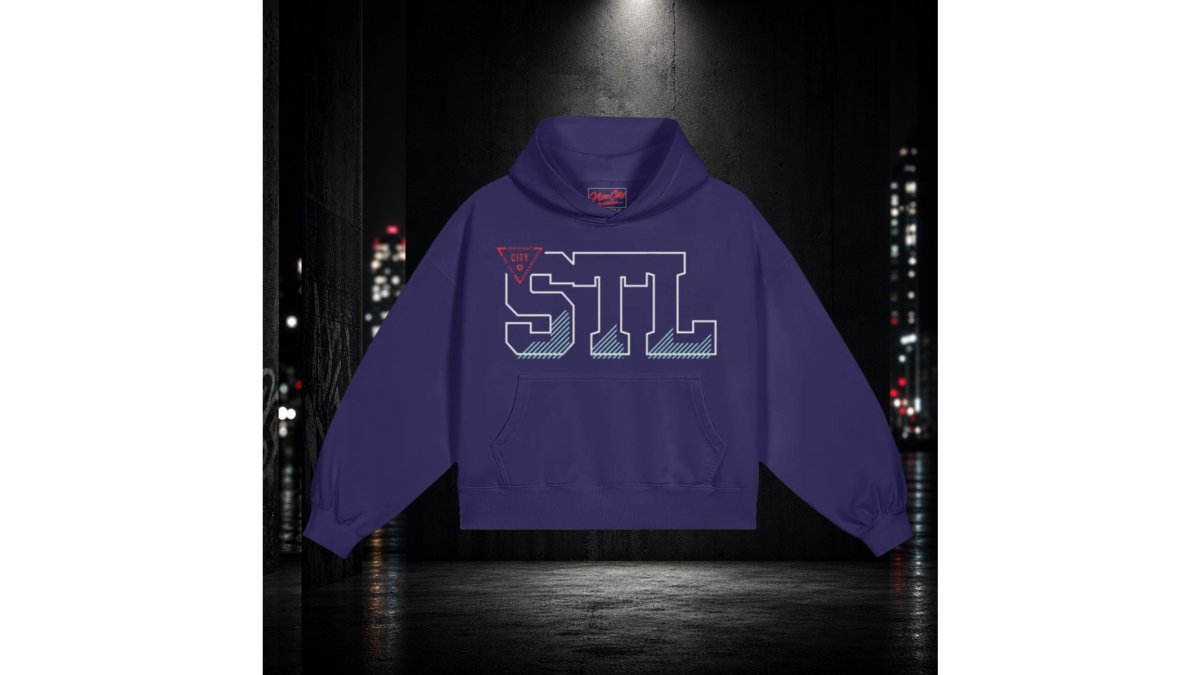
Start by turning your hoodie inside out. This protects the exterior graphic, reduces contact between the outer fabric and other garments, and minimizes color fading on reactive-dyed pieces.
Use a mesh laundry bag for extra protection. The bag reduces agitation and friction during the wash cycle, which is especially important for hoodies with delicate graphics or embroidery, while still letting water flow through.
Cold water is non-negotiable. Set your machine to the coldest setting, typically 30°C (86°F) or below.
Choose a gentle or delicate cycle. These use slower spin speeds and less agitation than standard modes, typically lasting 30-40 minutes with minimal tumbling, which protects fabric integrity far better than a regular cycle.
Mild detergent is essential. Heavy-duty or enzymatic formulas break down fiber bonds and weaken fabric, so use a mild, neutral detergent for delicates. Avoid bleach, fabric softener, and oxygen-based cleaners, which damage fibers and dye.
Wash with like-colored garments only. Mixing colors increases bleeding risk and often requires higher water temperatures; similar colors keep temperatures lower and reduce extra rinses.
Never soak your hoodies before washing. Extended soaking lets water penetrate deep into fibers, risking uneven shrinkage and color bleeding. A standard wash cycle is sufficient.
How to Wash Graphic T-Shirts
Graphic tees need a slightly different approach because the print is vulnerable to cracking, peeling, and fading. How to prevent streetwear from shrinking when your piece has a bold graphic means protecting both fabric and design.
Use cold water and a gentle cycle, just like with hoodies: cold water prevents fiber contraction and a gentle cycle minimizes mechanical stress. Graphic tees benefit from even lower agitation because the print layer is more delicate than plain fabric.
Place graphic tees in a mesh bag and wash them separately from heavier items like jeans or hoodies. Heavier fabrics create friction that can crack or peel the graphic; washing tees alone or with other lightweight pieces reduces this risk significantly.
Skip fabric softener entirely. It coats fibers, weakens the graphic adhesive over time, and traps moisture that slows drying and risks mildew on stored pieces.
Rinse twice to remove all detergent residue. Leftover detergent can stiffen the graphic and contribute to premature peeling; a second rinse ensures the shirt is completely clean before drying.
NewCity Brand's Classic Fit Crew Neck T-Shirt, STL 314 uses reactive-dyed graphics that bond directly to the cotton. These prints are durable, but they still benefit from inside-out washing and cold water to preserve color vibrancy and prevent the print from cracking.

Air dry graphic tees flat or on a hanger, never in direct sunlight, which fades the graphic and causes uneven color loss. A shaded, well-ventilated area is ideal; if using a drying rack, lay the shirt flat to prevent stretching from the wet fabric's weight.
Does Cold Water Prevent Clothes From Shrinking
Cold water significantly reduces shrinkage risk, but doesn't eliminate it. It prevents the thermal relaxation of fibers that heat causes, stopping one major cause of shrinkage. However, mechanical action, the agitation and friction from washing, can still cause some shrinkage even in cold water.
The relationship between water temperature and shrinkage is direct: hotter water equals more shrinkage. Cold water keeps fibers in their relaxed, set state, while warm or hot water reopens the fiber structure and lets them contract. That's why cold water is the first line of defense.
That said, cold water alone isn't a complete solution, a gentle cycle matters just as much. A cold wash on a heavy-duty cycle with high agitation can still cause shrinkage because mechanical stress overwhelms the temperature benefit. Cold water plus gentle cycle plus air drying is what truly prevents shrinkage.
Cold water also preserves color better than warm water. Reactive dyes bond more securely in cool temperatures, so graphics stay vibrant longer, a secondary benefit that matters for bold prints and snow-washed textures.
Air Drying vs. Tumble Drying: The Critical Choice
Air drying is the only method that guarantees zero shrinkage. Tumble drying, even on low heat, introduces thermal shock that causes rapid, permanent fiber contraction. This choice is the most important decision you'll make for streetwear care.
Classic Fit Crew Neck T‑Shirt — STL 314 →
Tumble dryers circulate hot air around wet fabric, evaporating moisture quickly but also causing fibers to relax and contract as they dry. Low-heat settings still reach 50-65°C (120-150°F), enough to trigger shrinkage in cotton. The longer the cycle, the more shrinkage occurs.
Air drying eliminates this problem entirely. When fabric dries naturally without heat, fibers stay in their wet, relaxed state; as moisture evaporates slowly, they set in their current dimensions. No thermal shock, no rapid contraction, no permanent size reduction.
The trade-off is time: air drying takes 24-48 hours depending on humidity and air circulation, versus 30-60 minutes in a dryer. For streetwear that represents your city identity and costs more than basic basics, the time investment is worth it.
Hang drying is faster than flat drying but risks stretching: the weight of wet fabric pulling downward can elongate the garment, especially at the shoulders and sleeves.
For pieces with heavy graphics or embroidery, flat drying is essential, hanging can let the graphic's weight distort the fabric shape as it dries. Lay the piece flat on a clean, dry towel or mesh rack in a well-ventilated area.
Avoid direct sunlight while air drying. UV exposure fades graphics and causes uneven color loss, especially on reactive-dyed pieces. A shaded indoor spot with good air circulation, a basement, open closet, or spare room, works well.
How to Unshrink Cotton Clothes
If your piece has already shrunk, gentle stretching while damp can recover some lost size. It won't restore the garment to original dimensions, but it can recover 30-50% of the lost size in many cases.
Wash the shrunken piece in cool water with a gentle detergent, you want the fabric damp, not steamed open. A cool wash followed by gentle squeezing removes excess water without adding stress.
Lay the damp piece flat on a clean towel and gently stretch it in all directions, length, width, and sleeves, using steady, even pressure. Fabric is most pliable when damp, so this is your window to reshape it.
Pin the piece to the towel at the edges to hold the stretched dimensions as it dries. T-pins or sewing pins anchor the corners and edges, preventing the fabric from shrinking back to its smaller size.
Let the piece air dry completely while pinned, typically 24-48 hours. As it dries in the stretched position, the fibers set in the new, larger dimensions. Remove the pins once fully dry.
This method works best on pieces that have shrunk less than 5%. Heavily shrunken garments are harder to recover because the fibers have contracted more aggressively. Pure cotton hoodies respond better than synthetic-blend pieces.
For heavyweight cotton like NewCity Brand's Casual Sportswear Set, ST. LOU 314, gentle stretching while damp can recover some lost size if the piece shrinks. However, prevention through proper washing and air drying is far more effective than trying to fix shrinkage after it happens.
Storage and Folding: Protecting Your Investment
How you store your streetwear between wears affects long-term shrinkage risk and fabric integrity. Improper storage causes creasing that leads to permanent distortion and traps moisture that encourages mildew.
Fold your pieces rather than hanging them. Gravity pulls downward on hanging fabric, gradually stretching shoulders and sleeves; folding distributes weight evenly. For oversized hoodies like the Heavyweight Sun-Faded Hoodie, STL 314, folding is especially important because the extra fabric weight compounds stretching risk.

Store pieces in a cool, dry location away from direct sunlight. Heat and humidity accelerate fiber relaxation and can trigger shrinkage even in stored garments. A bedroom closet or dresser drawer is ideal. Avoid attics or basements where temperature and humidity fluctuate.
Use acid-free tissue paper between folds to prevent creasing. Deep creases can become permanent, especially in heavyweight fabrics.
Keep pieces away from water and moisture. Damp storage encourages mildew and uneven shrinkage as fabric absorbs and releases moisture. Use silica gel packets if you live in a humid climate.
Never store damp or wet pieces. Always let garments dry completely before folding and storing; residual moisture causes mildew, color bleeding, and uneven shrinkage.
Refold your pieces every few months to prevent permanent creasing. Rotating fold lines distributes pressure and prevents deep creases, especially on pieces you don't wear often.
Preventing shrinkage in your streetwear comes down to three non-negotiable practices: washing in cold water on a gentle cycle, air drying instead of using a dryer, and storing pieces properly. These protect fiber integrity and fit, ensuring your investment in premium streetwear lasts for years. NewCity Brand designs pieces from high-grade fabrics and pre-shrunk construction, but even the best materials need proper care.
Frequently Asked Questions
Will my streetwear shrink if I wash it in cold water?
Cold water significantly reduces shrinkage risk compared to hot water. Heat is the primary driver of fiber contraction in cotton and cotton blends. Cold water washing preserves fiber integrity and minimizes thermal shock to the fabric. However, cold water alone isn't enough, you must also use a gentle cycle, mild detergent, and avoid the dryer. NewCity Brand pieces like the Classic Fit Crew Neck T-Shirt are pre-shrunk, but cold water washing extends their longevity and maintains fit.
How do I unshrink cotton clothes that already shrank?
Unshrinking is difficult but possible for minor shrinkage. Soak the garment in cool water for 15-20 minutes to relax the fibers. Gently stretch the damp piece back to its original dimensions while lying flat on a towel. Air dry completely without heat. This works best on 100% cotton pieces with light shrinkage. Severe shrinkage is permanent. Prevention through proper washing and drying is far more effective than attempting to reverse damage.
What detergent should I use to prevent shrinkage?
Use mild, neutral detergents specifically formulated for delicate fabrics. Avoid heavy-duty detergents, bleach, and fabric softeners that can weaken fibers and increase shrinkage risk. Mild detergents clean effectively without the aggressive chemical action that stresses fabric structure. Heavyweight pieces like the Heavyweight Sun-Faded Hoodie benefit from gentle detergents that preserve both color and fiber integrity. Always follow the care label instructions on your specific garment.
Can water hardness affect how much my streetwear shrinks?
Yes. If you have hard water, consider using a water softener or a detergent designed for hard water conditions. This reduces mechanical stress on fibers and minimizes shrinkage risk while keeping your streetwear looking newer longer.