

Table of Contents
- Check and Follow the Garment Care Label
- How to Wash 100% Cotton Sweatshirts Without Shrinking
- Should Hoodies Be Washed Inside Out
- Treat Stains and Avoid Harsh Cleaning Products
- How to Keep the Inside of Hoodies Soft
- How to Dry a Cotton Hoodie Without Shrinking
- Preventing Fading and Dye Transfer in Snow Washed Cotton
- Reshape and Store Your Hoodie Properly
- Frequently Asked Questions
Last Updated: October 6, 2026
Check and Follow the Garment Care Label
The garment care label is your first line of defense when learning how to care for snow washed cotton hoodies, listing water temperature, wash cycles, and drying methods specific to your piece.
Most care labels use standardized symbols: a tub with one line means gentle cycle, two lines means delicate, and an X means don't wash at all.
Snow-washed cotton hoodies often include specific instructions because the finish is delicate, the process that creates that soft, vintage texture can be damaged by aggressive agitation or heat.
Look for these key details on the label:
- Maximum water temperature (usually 30°C or 86°F for snow-washed pieces)
- Recommended wash cycle (gentle or delicate, not normal)
- Bleach warnings (typically "no bleach")
- Drying instructions (air-dry preferred, low heat if tumble-drying)
- Special notes about color (many labels warn about slight color loss in initial washes)
At NewCity Brand, we include detailed care instructions with every piece. Our snow-washed hoodies like the Snow-Washed Snap Collar Hoodie, St. Lou 314 come with specific guidance: wash on the reverse side with neutral detergents, avoid soaking and sun exposure, and never use bleach.

Reference the label before every wash, and when in doubt, choose the gentler option.
How to Wash 100% Cotton Sweatshirts Without Shrinking
Washing cotton without shrinkage comes down to three factors: water temperature, wash cycle, and detergent choice. Cotton fibers relax and contract based on heat and agitation, so hot water and aggressive spinning cause the most shrinkage, while cold water and gentle motion preserve the fabric's original dimensions.
Choose Cold Water and a Gentle Wash Cycle
Cold water is non-negotiable for how to care for snow washed cotton hoodies. Heat opens the fibers, making them prone to shrinking and fading, while cold water keeps them closed and protected. Set your machine to cold before adding anything else, warm water won't clean better and will damage your hoodie.
Next, select the gentle or delicate cycle, which uses slower spin speeds and less aggressive agitation, mimicking hand-washing motion. Cold water plus a gentle cycle cuts shrinkage risk dramatically, most cotton sweatshirts shrink from heat and rough handling, not the water itself.
Select a Mild Detergent
Mild detergent protects both the fabric and the snow-washed finish, while harsh detergents strip color, fade dyes, and damage fibers. Look for detergents labeled "gentle," "mild," or "for delicates," and avoid bleach, optical brighteners, or heavy perfumes.
Neutral detergents clean without stripping the natural oils that maintain softness and the snow-washed texture; use less than you normally would. Some people add about half a cup of white vinegar to the final rinse instead of fabric softener, it helps set dyes and removes detergent residue without leaving a coating.
Wash with Similar Colors
Dye transfer happens when darker clothes bleed onto lighter ones, and snow-washed hoodies are especially vulnerable because the washing process loosens dyes slightly. Wash your hoodie with similar colors, lighter shades with whites and light grays, darker shades with blacks and dark blues, and never mix light and dark loads.
This matters most for the first two or three washes, when slight floating color may occur; washing separately then prevents dye transfer to other pieces.
Should Hoodies Be Washed Inside Out
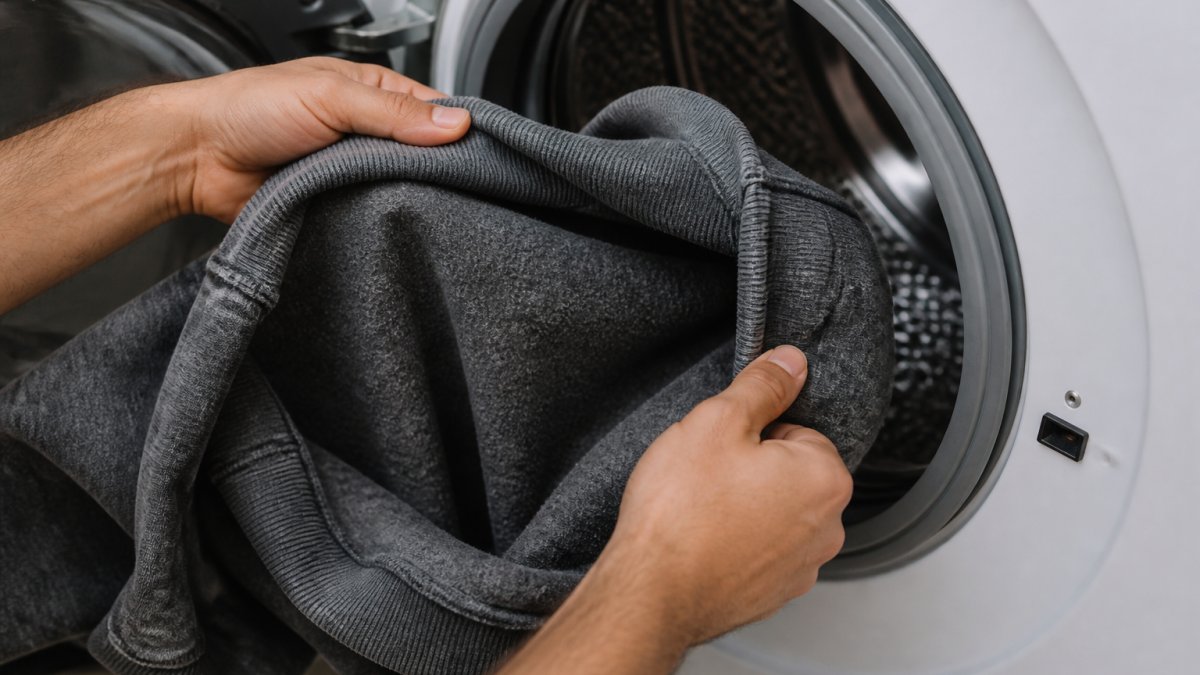
Turning your hoodie inside out before washing protects the exterior finish and graphic. The outer surface, where the snow-wash texture and any printed design live, takes the most wear from agitation, so flipping it inward lets the softer interior absorb the tumbling motion instead.
This five-second step keeps graphics sharper and the snow-washed finish intact through more wash cycles. Always turn your hoodie inside out, even on a gentle cycle, it's about protecting the investment you made in a premium piece.
Treat Stains and Avoid Harsh Cleaning Products
Stain treatment is where most people accidentally ruin a snow-washed finish. The whole point of the snow-wash process is an intentionally uneven, faded, vintage-looking surface.
Treat stains before washing, not after. Blot with a clean white cloth from the outside of the stain toward the center so you don't spread it, rubbing pushes pigment deeper into the cotton and can abrade the softened surface.
For most food, drink, and body-oil stains, cold water plus a small amount of mild liquid detergent is enough.
Oxygen-based stain removers and enzyme cleaners are also risky on colored snow-washed cotton, formulated to lift pigment, they can lighten one area more than another and flatten the deliberate color variation. If you try one anyway, test it on the inside of the hem or a cuff first and let it dry fully before judging.
For grease and oil, a tiny drop of clear dish soap diluted in cold water is safer than a laundry pre-treater, it breaks down oil without the solvents and brighteners in stain sprays. Apply sparingly, work gently, and rinse thoroughly so no residue attracts dirt.
A few stain types need a different approach:
STL 314 Snow‑Washed Snap Collar Hoodie — Limited Edition →
- Ink and marker: Dab with isopropyl alcohol on a cotton swab, working from the outside in. Test on a hidden seam first, alcohol can lift dye from snow-washed cotton.
- Deodorant and antiperspirant buildup: These leave a stiff, waxy residue under the arms that cold water alone won't remove. Soak just the underarm area in a bowl of cool water with a teaspoon of mild detergent for 30 minutes, then wash normally.
- Blood: Rinse immediately in cold water only. Warm or hot water sets blood proteins into the fiber permanently.
- Mud: Let it dry completely, brush off the solids, then treat what remains. Wetting mud first drives it deeper into the weave.
After treating a stain, wash the hoodie alone or with similar colors, pre-treated areas release more dye than the rest of the garment.
How to Keep the Inside of Hoodies Soft
The inside of a snow-washed hoodie is usually brushed or looped cotton, and it's the first thing to go flat. Softness depends on the fiber structure staying open and residue-free; coating buildup and mechanical abrasion destroy it.
Instead, add about half a cup of plain white distilled vinegar to the rinse cycle. Its mild acidity dissolves the alkaline detergent residue that makes fabric stiff, and it rinses clean without a coating or lingering smell.
A few habits keep the interior soft over the long run:
- Wash less often. Every wash cycle abrades the brushed inside a little more. Air the hoodie out between wears and spot-clean small marks instead of running a full load.
- Use less detergent than you think you need. Excess detergent is the leading cause of stiff, residue-heavy cotton. For a single hoodie, a tablespoon of mild liquid detergent is usually plenty.
- Turn it inside out. This protects the outer snow-washed surface, but it also means the softer interior takes the friction from the drum instead of the finish.
- Air-dry when you can. Heat sets residue into the fiber and makes brushed cotton feel crisp. Hang or lay flat to dry.
Pilling is a separate problem, common on cotton sweatshirts that see friction under the arms and along the sides. A fabric shaver or fine-tooth sweater comb removes pills without pulling new fiber, use light pressure on a flat surface.
Lint is mostly a laundry-load issue: wash your hoodie with other low-lint items, not towels, fleece blankets, or heavily worn work clothes. A rubber lint brush or damp rubber glove run in one direction lifts surface lint without adding static.
How to Dry a Cotton Hoodie Without Shrinking
Drying is where most shrinkage happens, since heat and moisture combined cause fibers to contract. Air-drying is the gold standard for how to care for snow washed cotton hoodies: hang your hoodie on a sturdy hanger in a well-ventilated space, out of direct sunlight, making sure the hanger doesn't create permanent creases in the shoulders.
Alternatively, lay the hoodie flat on a clean, dry surface, reshape it gently to its original dimensions, and flip it halfway through so both sides dry evenly. Air-drying takes 24-48 hours depending on humidity and circulation, but it eliminates shrinkage risk entirely.
If you must use a tumble dryer, use the lowest heat setting available, or an "air-dry" or "no heat" setting if your machine has one. Never use high heat; even medium heat can shrink cotton, especially if it's already damp.
Preventing Fading and Dye Transfer in Snow Washed Cotton
Color fading happens naturally, but you can slow it significantly. Snow-washed cotton fades more than regular dyed cotton because the washing process loosens dyes intentionally. Protect your hoodie from direct sunlight, UV light fades dyes faster than anything else, and dry it in a shaded area or indoors.
Wash in cold water every time, hot water opens dye molecules and lets them escape the fibers. Use mild detergent and avoid optical brighteners, which deposit a coating that can interact with dyes and cause uneven fading. Limit wash frequency: spot-clean small stains and air the hoodie out between wears instead of washing after one wear.
Dye transfer is most likely in the first few washes, so wash your hoodie separately for the first two or three cycles; after that, transfer risk drops significantly.
Reshape and Store Your Hoodie Properly
How you store your hoodie between wears matters as much as how you wash it. Reshape it while still damp from washing or drying: gently pull the shoulders back to their original width, straighten the cuffs and hem, and adjust the hood so it lies flat.
Hang your hoodie on a sturdy, wide hanger rather than folding it long-term, hangers prevent creases, allow air circulation, and avoid shoulder indents. If you must fold, fold loosely and store in a breathable container; avoid plastic bags, which trap moisture and cause mildew.
Keep hoodies away from direct sunlight and heat sources in a cool, dry closet, avoiding damp basements or humid areas that encourage mold. Store with cedar blocks or lavender sachets to deter moths without mothball odors.
For premium pieces like the Snow-Washed Zip Front Hoodie, St. Lou 314, proper storage is an investment in longevity. These hoodies are built to last years, not months. Care for them accordingly.

Frequently Asked Questions
What is the best way to wash a snow-washed cotton hoodie?
Wash on the reverse side in cold water using a gentle or delicate cycle with mild detergent. Turn the hoodie inside out to protect the exterior finish, and wash with similar colors to prevent dye transfer. Avoid bleach, fabric softener, and hot water, which can damage the snow-washed texture and cause shrinkage. Always check your specific garment's care label first, as instructions may vary by piece.
Can a snow-washed cotton hoodie go in the dryer?
Air-drying is the safest method for snow-washed cotton hoodies. If you must use a dryer, select the lowest heat setting (below 90°F or 30°C) and remove the hoodie while still slightly damp to prevent shrinkage and preserve the fabric's softness. High heat will cause permanent shrinkage and damage the delicate snow-washed finish. Lay flat or hang-dry whenever possible for best results.
How often should you wash a cotton hoodie?
Wash your snow-washed cotton hoodie every 3-5 wears, depending on activity level and visible stains. Spot-cleaning minor marks between washes extends the life of the garment and reduces color fading. Over-washing accelerates wear and dulls the snow-washed texture, so reserve full washes for when the hoodie genuinely needs it. Store in a cool, dry place between wears to minimize odor buildup.
Will fabric softener damage a snow-washed hoodie?
Yes, fabric softener should be avoided on snow-washed cotton hoodies. Softeners coat the fabric fibers, dulling the vintage texture and compromising the snow-washed finish that makes these pieces distinctive. They can also reduce absorbency and trap moisture. Instead, use white vinegar in the rinse cycle (1/4 cup per load) to naturally soften the fabric while preserving the original aesthetic and maintaining the hoodie's premium feel.
Taking care of snow washed cotton hoodies doesn't require special equipment or expensive products. It requires attention and the right approach. Cold water, gentle cycles, mild detergent, and air-drying protect your investment and keep your hoodie looking sharp. NewCity Brand hoodies are built from premium fabrics and designed to become part of your daily rotation. Treat them with the care they deserve, and they'll represent your city identity for years to come.