

Table of Contents
- The Real Question: Expensive Streetwear vs Luxury Craftsmanship Value
- How to Identify High-Quality Urban Apparel Beyond the Price Tag
- Streetwear Investment Pieces: What Actually Holds Value
- Why Exclusivity and Limited Releases Matter
- Brand Equity vs Hype: The Psychology of Luxury Streetwear
- Ethical Production and Supply Chain Transparency
- NewCity Brand: Premium Craftsmanship at Accessible Price Points
- Frequently Asked Questions
Last Updated: September 19, 2026
The Real Question: Expensive Streetwear vs Luxury Craftsmanship Value
Is it worth investing in expensive streetwear, or are there brands that provide better expensive streetwear value through luxury craftsmanship? This question sits at the heart of how urban tastemakers spend their money. The answer isn't about price alone, it's about understanding what you're actually paying for and whether that investment delivers real value over time.
The difference comes down to three things: garment construction, material sourcing, and brand equity. Most expensive streetwear fails on at least one of these fronts. The brands that deliver real value excel at all three.
This guide breaks down how to spot the difference between hype-driven pricing and genuine craftsmanship. You'll learn exactly what separates a piece worth investing in from one that'll feel regrettable in six months.
How to Identify High-Quality Urban Apparel Beyond the Price Tag
High-quality urban apparel reveals itself through construction details that most shoppers never examine. The difference between a $200 hoodie and a $56 piece often isn't visible at first glance, it's hidden in how the garment is built.
Garment Construction and Material Sourcing
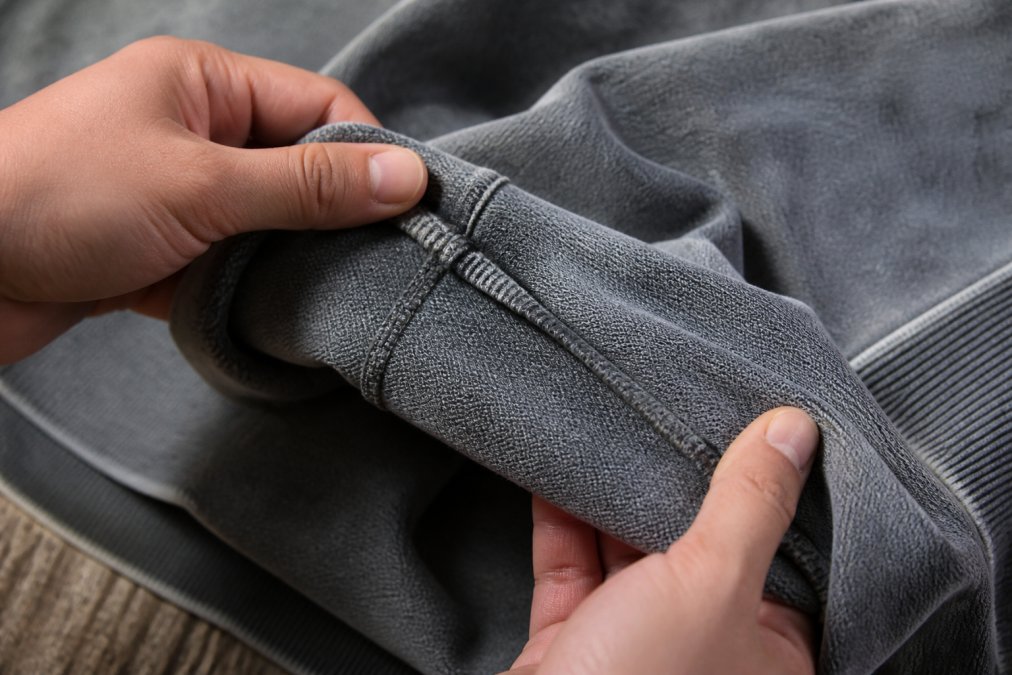
Look for side-seamed construction, which costs more to produce but creates a cleaner, more durable garment. Brands cutting corners use center seams that bunch and fail faster. Taped neck and shoulder seams prevent stretching and maintain shape through repeated washing. Double-stitched ribbed cuffs and hems don't fray after twenty washes like single-stitched alternatives.
Fabric weight matters enormously. Premium streetwear typically uses 380g/m² cotton for hoodies, that's substantially heavier than the 250g/m² fast fashion defaults. Heavier fabric resists pilling, holds color longer, and actually feels better against your skin. Reactive dye processes create colors that last, while cheaper pigment dyes fade noticeably within a season.
Material sourcing determines longevity. 100% cotton that's pre-shrunk and properly finished will perform consistently. Raw materials matter, but execution matters more. A brand sourcing premium cotton but cutting corners on finishing produces inferior results compared to a brand using quality cotton with meticulous construction processes.
Durability and Cost-Per-Wear Analysis
Cost-per-wear transforms how you evaluate expensive streetwear value. A $56 hoodie worn 100 times costs $0.56 per wear. A $200 piece worn 200 times costs $1 per wear. The expensive option only wins if it actually lasts twice as long and performs twice as well.
Brands using 380g/m² fabric with side-seamed construction and taped shoulders typically outlast cheaper alternatives. That durability advantage justifies premium pricing. A piece that fades, stretches, or tears within a season destroys the value equation, regardless of the initial price tag.
Test this yourself: examine pieces you own from three years ago. Which ones still look intentional? Which ones look worn out? The construction details on the survivors, the ones you'd still wear today, reveal what actually matters. Those details cost money to produce, and brands charging premium prices should deliver them consistently.
Streetwear Investment Pieces: What Actually Holds Value
Not all expensive streetwear functions as investment pieces. Some depreciates immediately. Others hold or gain value over time. The difference lies in exclusivity, brand equity, and construction quality working together.
Resale Market Liquidity and Depreciation
The resale market tells you what streetwear actually costs. A piece that sold for $200 but resells for $40 reveals that buyers didn't perceive real value. A piece that holds $120-150 on the secondary market signals that the original quality justified the price.
Limited releases create artificial scarcity that can drive resale premiums, but only temporarily. Once the hype cycle passes, pieces with poor construction sink in value fast. Pieces with genuine craftsmanship maintain value because new buyers recognize the quality.
Brand equity determines resale velocity. Established brands with consistent quality standards move inventory faster on secondary markets. Newer brands or one-off collaborations can sit unsold for months. If you're buying expensive streetwear as an investment, research how previous seasons' pieces performed on resale platforms. That's your real data on whether the brand holds value.
Why Exclusivity and Limited Releases Matter
Exclusivity creates urgency, but it shouldn't be your primary evaluation criterion. Limited releases serve a purpose: they fund smaller brands and create moments of authentic scarcity. They become problems when they're used to justify mediocre construction at premium prices.
A limited hoodie with poor stitching remains a poor hoodie. The fact that only 500 were made doesn't change that. Exclusivity amplifies value only when the underlying product justifies it. NewCity Brand's approach emphasizes city-specific designs that celebrate local identity, these limited editions hold value because the craftsmanship backs the exclusivity, not the other way around.
The best investment pieces combine three elements: genuine scarcity, exceptional construction, and brand equity. Two out of three leaves you vulnerable.
Brand Equity vs Hype: The Psychology of Luxury Streetwear
Consumer psychology drives expensive streetwear pricing far more than material costs do. The difference is brand equity, the accumulated reputation, cultural positioning, and perceived status attached to the name.
This isn't inherently bad. Strong brands maintain quality standards because their reputation depends on it. Weak brands sometimes charge premium prices on hype alone, knowing they'll never build a second collection. The trick is distinguishing between earned brand equity and manufactured hype.
Earned brand equity shows up in consistency. Look at a brand's archive. Do the pieces from three years ago still look intentional? Are people still wearing them? That's earned equity.
Manufactured hype appears in marketing language without substance. Words like "immersive fashion experience" and "cinematic storytelling" mean nothing unless the actual garment delivers on them. The garment itself, the construction, the fabric, the fit, is where storytelling happens. Everything else is noise.
Ethical Production and Supply Chain Transparency
Transparency about production increasingly determines brand value. Consumers now expect to know where garments are made, under what conditions, and by whom.
Ethical production costs money. Fair wages, safe working conditions, and environmental responsibility increase manufacturing expenses. Brands charging premium prices should justify those costs through transparent supply chain information.
Supply chain transparency also correlates with quality. Brands that know and trust their manufacturers typically produce better garments.
NewCity Brand: Premium Craftsmanship at Accessible Price Points
NewCity Brand solves the expensive streetwear dilemma by delivering genuine craftsmanship without the hype markup. Every piece uses 100% cotton with 380g/m² fabric weight, side-seamed construction, taped necks and shoulders, and double-stitched ribbing. These aren't marketing claims, they're built into every hoodie and tee.
The Snow Washed Snap Collar Hoodie, Eastside 313 ($56.00) exemplifies this approach. The snow-washed finish creates natural texture variations that improve with wear rather than fade into uniformity. The snap-collar silhouette adds functional detail that mainstream brands skip. At $56, you're paying for genuine construction advantages, not brand prestige or limited-edition positioning.

The Brushed Fleece St. Lou 314 Hoodie ($62.00) delivers premium softness through brushed interior construction while maintaining clean exterior lines. The city-specific graphics celebrate local identity rather than generic "urban" aesthetics. These pieces hold value because the craftsmanship justifies the price, and the local positioning creates genuine connection rather than manufactured exclusivity.

For those seeking lower price points without compromising construction, the [Black Raw Seam Paneled St.
| Quality Indicator | What to Look For | Why It Matters |
|---|---|---|
| Fabric Weight | 380g/m² or higher | Resists pilling, holds color, lasts 3-5 years longer |
| Seam Construction | Side-seamed with taped shoulders | Prevents stretching, maintains shape through washing |
| Ribbing | Double-stitched cuffs and hems | Prevents fraying, extends garment lifespan |
| Dye Process | Reactive dye (not pigment) | Color stays vibrant through 50+ washes |
| Fit | Structured but relaxed | Flatters diverse body types, photographs well |
Frequently Asked Questions
What makes expensive streetwear actually worth the investment?
Expensive streetwear justifies its cost through superior garment construction, premium material sourcing, and durability that extends the garment's lifespan. The real value lies in cost-per-wear: a $56 hoodie worn 200 times costs $0.28 per wear. Brands like NewCity deliver this through heavyweight fabrics (380g/m² construction), side-seamed durability, and double-stitched reinforcement that resists degradation over years of daily use.
How do you identify high-quality urban apparel that won't fall apart?
Look for these technical markers: fabric weight (premium streetwear ranges 280-380g/m²), construction method (side-seamed vs. single-stitched), and fiber content (100% cotton with reactive dyes for color longevity). Examine seam placement, taped necks and shoulders indicate reinforcement. Check for distressed finishes that are intentional design elements rather than manufacturing flaws. NewCity's pieces feature pre-shrunk cotton, double-stitched ribbed cuffs, and binding-taped necks, details that signal garment longevity.
Do streetwear investment pieces actually hold their resale value?
Resale value depends on exclusivity, brand equity, and condition. Limited-release pieces from established brands with strong community identity maintain 40-60% of original value on secondary markets. Pieces celebrating specific city identity (like the Eastside 313 or Bushwick 718 hoodies) hold value better than generic designs because they serve a niche audience. Streetwear investment pieces thrive when they combine heritage storytelling with technical craftsmanship, both factors that resist depreciation.
Is there a difference between designer streetwear and luxury-grade urban wear?
Designer streetwear prioritizes brand recognition and celebrity endorsement, often inflating price without proportional quality gains. Luxury-grade urban wear emphasizes garment construction, material longevity, and authentic community connection. NewCity exemplifies the latter: pieces like the Snow Washed Snap Collar Hoodie ($56) deliver heavyweight construction and city-specific graphics that celebrate local identity rather than chase trends. The distinction matters for cost-per-wear analysis, luxury craftsmanship compounds value over time.
The expensive streetwear market rewards informed buyers who understand construction details and resist hype-driven pricing. NewCity Brand delivers the craftsmanship that justifies investment without the unnecessary markup. Start with pieces like the Snow Washed Snap Collar Hoodie or the Brushed Fleece St. Lou 314 collection, they prove that premium quality and accessible pricing aren't mutually exclusive. Shop now →