

Table of Contents
- Urban Fashion as a Mirror of Metropolitan Identity
- The Difference Between Streetwear and Urban Fashion
- How Local Narratives Shape Urban Aesthetic
- Community, Belonging, and the Rise of Grassroots Design
- The Impact of Local Streetwear Brands on Fashion Ecosystems
- Resilience, Creativity, and Social Commentary Through Style
- Building Your Wardrobe Around Urban Cultural Expression
Last Updated: August 17, 2026
Urban Fashion as a Mirror of Metropolitan Identity
Urban fashion tells a story about where you're from, what communities shaped you, and how you see yourself within that landscape. It's the visual language through which neighborhoods broadcast their identity and individuals claim membership in a cultural ecosystem.
Metropolitan areas are birthplaces of cultural movements. From Detroit to Miami, each city develops its own aesthetic vocabulary rooted in the struggles, triumphs, music, and art of its people. A New York aesthetic looks nothing like Los Angeles or Chicago, these differences reflect distinct communities, economic histories, and artistic movements that shape how residents express themselves.
At NewCity Brand, we've built our philosophy around this truth: fashion becomes the most visible, wearable expression of community identity. Every piece we create celebrates the intersection where personal style, local pride, and authentic self-expression collide.
The Difference Between Streetwear and Urban Fashion
Streetwear emerged from specific subcultures: skateboarding, hip-hop, graffiti. It prioritizes function, attitude, and subcultural codes, graphic-heavy, bold, often deliberately provocative. Urban fashion, by contrast, is broader and rooted in place. It's what real people in metropolitan areas wear day to day, absorbing streetwear influences while pulling from professional culture, immigrant communities, local music scenes, and the practical realities of city living.
The key difference is specificity. Streetwear can exist anywhere; a skateboarder in Portland and Phoenix share similar visual codes. Urban fashion is inherently local, shaped by the particular neighborhood, city, and mix of people and histories that make that place unique. When you wear a piece designed around your city's specific identity, history, music, and visual landmarks, you're wearing something that only makes sense in that context.
How Local Narratives Shape Urban Aesthetic
Every city's story gets told through its architecture, music, food, people, and clothes. A city's industrial past, immigrant communities, artistic movements, and economic structure shape what the aesthetic of that place becomes. When designers and everyday people create fashion that echoes those elements, they're being honest about where they come from.
Local narratives determine which design elements carry meaning. A color palette, construction technique, or graphic style become loaded with cultural significance when connected to a place's story. The most authentic urban fashion pieces understand this deeply, they don't just look like they're from a city, they communicate something true about that city's character, history, and people.
When NewCity Brand designs pieces around specific city identities, we research the narratives that matter, understand the visual language embedded in that place, and create pieces that feel like they belong there. The Raw Seam Boxy Tee and Snow-Washed Snap Collar Hoodie aren't generic urban apparel; they're designed to speak to the specific communities they represent.

Community, Belonging, and the Rise of Grassroots Design
The most powerful urban fashion movements emerge from communities, not corporate offices. Grassroots design is authentic by definition, it comes from people who live in the culture they're designing for and understand the nuances, references, and what matters to their community.
The democratization of production and distribution has made urban fashion more diverse, localized, and authentic. A designer in any city can now create a collection, build a following online, and reach customers without corporate gatekeepers.
Community and belonging are the emotional engines behind why urban fashion represents local culture so powerfully. When you wear something created by someone from your community, for your community, you're participating in a collective identity. You're saying: I belong here, I understand this place, I'm part of this story.
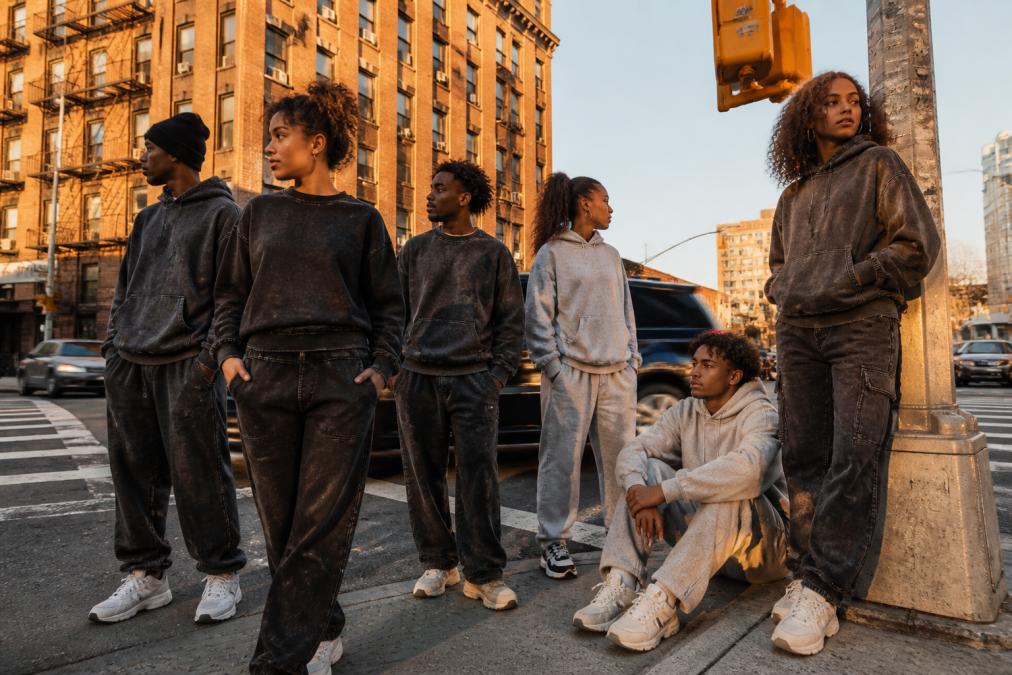
This sense of belonging keeps communities engaged with their local fashion ecosystems. The brands that succeed in urban fashion genuinely understand and respect the communities they're designing for, becoming part of the cultural conversation rather than just selling products into it.
The Impact of Local Streetwear Brands on Fashion Ecosystems
Local streetwear brands create entire ecosystems. They keep money circulating within communities, create jobs in design, production, retail, and marketing, and inspire other entrepreneurs. Beyond economics, they shape culture by defining what's cool in their city and creating the visual language other designers reference.
A local urban fashion brand influences how an entire city sees itself, a different kind of power rooted in place and community rather than trend cycles. Local brands have the credibility to speak authentically about their cities as insiders documenting and celebrating what's actually happening, translating into customer loyalty that larger brands struggle to replicate.
| Impact Category | Local Streetwear Brands | National/Global Brands |
|---|---|---|
| Community Connection | Deep, rooted in specific place | Broader but less specific |
| Cultural Authenticity | Insider perspective, lived experience | External interpretation |
| Economic Circulation | Keeps money in local community | Flows to corporate headquarters |
| Narrative Authority | Defines local culture | Comments on culture from outside |
| Customer Loyalty | Identity-based, community-driven | Trend-based, transactional |
Resilience, Creativity, and Social Commentary Through Style
Urban fashion has always been a tool for resilience. In communities facing economic hardship or discrimination, fashion becomes a way to claim dignity and visibility. Some of the most innovative fashion movements emerge from communities with the least resources, necessity breeds creativity.
Social commentary through style is another powerful dimension of urban fashion. Clothes become a language for discussing politics, inequality, identity, and resistance. A graphic can reference local struggles, a silhouette can challenge gender norms, a color choice can signal solidarity. Fashion becomes activism when rooted in real community experience.
Urban communities face constant pressure to conform and erase their distinctiveness. Local fashion is an act of resistance against that pressure. Authentic urban fashion brands amplify community voices, create platforms for local artists, tell stories that might otherwise go untold, and celebrate resilience in ways that matter to the communities they serve.
Building Your Wardrobe Around Urban Cultural Expression
Creating a wardrobe that authentically represents your city requires intentionality. Start by identifying the visual language of your city, what colors, silhouettes, graphics, and styles are distinctly associated with your place? What do people wear when they want to signal they're from here?
Look for brands and designers who understand that language from the inside, people who've grown up in the community and are creating from lived experience. Supporting these creators builds a wardrobe truly rooted in your city's culture.
Quality matters. Urban fashion isn't about disposable pieces but investing in pieces that last, age well, and develop character. Premium fabrics, thoughtful construction, and timeless designs allow a piece to become part of your personal style and your city's cultural narrative.
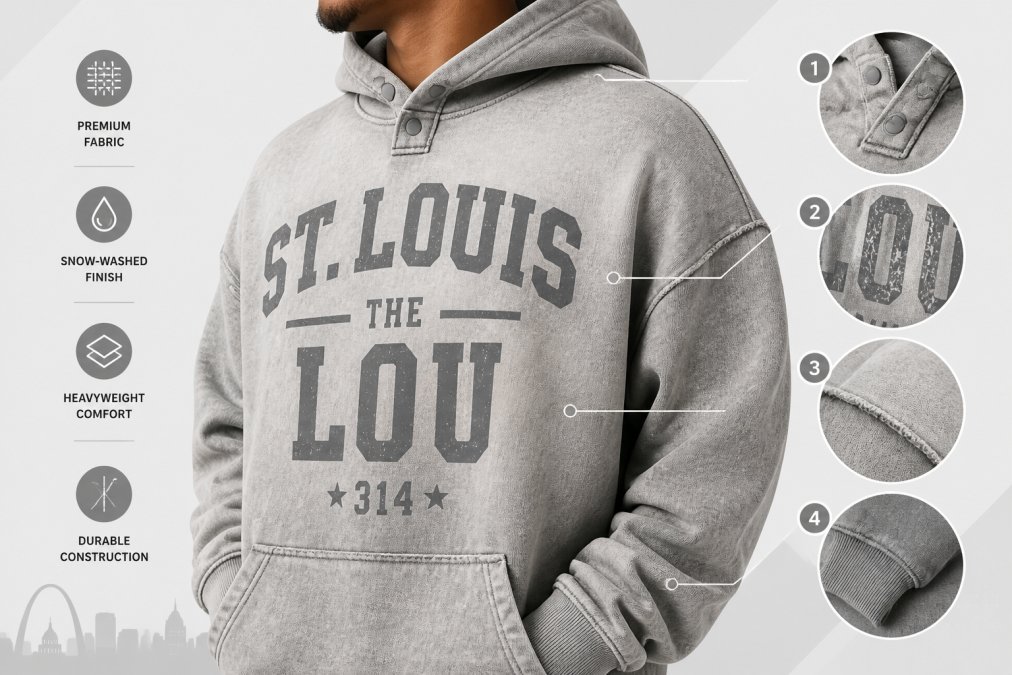
Pieces like the Casual Sportswear Set or Snow-Washed Snap Collar Hoodie exemplify this approach, designed with specific city pride in mind, crafted from high-grade materials, and built to last. Mix local pieces with quality basics to create a foundation where your city-specific pieces stand out while maintaining a cohesive aesthetic.

Pay attention to fit and silhouette. Urban fashion often features boxy, relaxed silhouettes that prioritize comfort and attitude. These cuts are iconic because they work, they're practical for city living, and they carry cultural significance. Consider graphics carefully, in urban fashion, they're communication, not just decoration. Build your wardrobe gradually as you discover designers and brands that resonate with you and figure out how to express your personal identity within your community's visual language.
Urban fashion represents far more than clothing choices. It's how communities tell their stories, how individuals claim identity, and how cities broadcast their character to the world. When you invest in pieces that authentically represent your city's culture, you're amplifying community voices, supporting local creators, and participating in the ongoing story of your place. NewCity Brand exists to help you do exactly that, creating pieces that celebrate your city's identity with the quality and intention it deserves. Explore our collection and find pieces that speak to your community's unique story. Learn more about sustainable fashion practices in urban design
Frequently Asked Questions
What does urban fashion mean in the context of local identity?
Urban fashion represents the visual language of metropolitan communities. It's how residents express their connection to their city through clothing choices, design preferences, and cultural symbols. Urban fashion goes beyond trends, it encodes local history, values, and collective identity into wearable form. When you wear pieces that celebrate your city's heritage and creative energy, you're making a statement about who you are and where you belong within that cultural ecosystem.
How does the difference between streetwear and urban fashion affect what you wear?
Streetwear is a style category focused on casual, comfortable clothing with athletic influences and bold graphics. Urban fashion is broader, it's the entire cultural expression of metropolitan life, including streetwear but also encompassing how local narratives, music, art, and community values shape what people choose to wear. Urban fashion prioritizes authenticity and local storytelling, while streetwear emphasizes silhouette and visual impact. Understanding this distinction helps you choose pieces that genuinely represent your city's culture rather than just following a global trend.
Why do local streetwear brands have such a strong impact on fashion?
Local streetwear brands connect directly to their communities' lived experiences and creative heritage. They understand the specific cultural nuances, historical references, and aesthetic preferences of their city in ways that global brands cannot replicate. This authenticity builds deep loyalty and trust. When local brands succeed, they create jobs, support emerging designers, and establish a fashion ecosystem that celebrates grassroots creativity. The impact extends beyond commerce, these brands become cultural institutions that preserve and amplify local identity for future generations.
How can I choose urban fashion pieces that truly represent my city's culture?
Start by identifying the visual symbols, historical moments, and creative movements that define your city's identity. Look for brands that reference local landmarks, use city-specific graphics, or were founded by community members. Choose pieces made with intention, premium fabrics and thoughtful design signal that a brand respects your city's culture enough to invest in quality. Avoid generic 'urban' pieces that could represent any city. Instead, seek out designs that tell your specific city's story and connect you to the broader community of people who share that identity.
This article was written using GrandRanker