

Table of Contents
- Techwear vs Traditional Streetwear: Quick Comparison
- Defining Techwear and Traditional Streetwear
- Key Differences in Fabric Technology and Materials
- Ergonomics and Silhouette Design
- Functional Fashion vs Aesthetic Fashion
- How to Style Techwear for Beginners
- Essential Streetwear Wardrobe Pieces
- Can You Mix Techwear and Streetwear?
Last Updated: August 29, 2026
Techwear vs Traditional Streetwear: Quick Comparison
Techwear prioritizes technical fabrics, modular design, and weather resistance, while traditional streetwear emphasizes cultural heritage, bold graphics, and urban identity. Understanding where each excels helps you build a wardrobe that fits your lifestyle and values.
| Aspect | Techwear | Traditional Streetwear |
|---|---|---|
| Primary Focus | Functionality & Weather Protection | Cultural Expression & Heritage |
| Fabric Technology | Waterproof, moisture-wicking, synthetic blends | Cotton, denim, natural fibers |
| Silhouette | Ergonomic, articulated, modular | Boxy, oversized, relaxed |
| Aesthetic | Minimalist, futuristic, tactical | Bold graphics, vintage-inspired, gritty |
| Best For | Active urban lifestyles, variable weather | Self-expression, community identity |
| Price Range | Premium to luxury | Mid-range to premium |
Defining Techwear and Traditional Streetwear
The distinction comes down to intent: one prioritizes performance, the other prioritizes presence.
What Is Techwear?
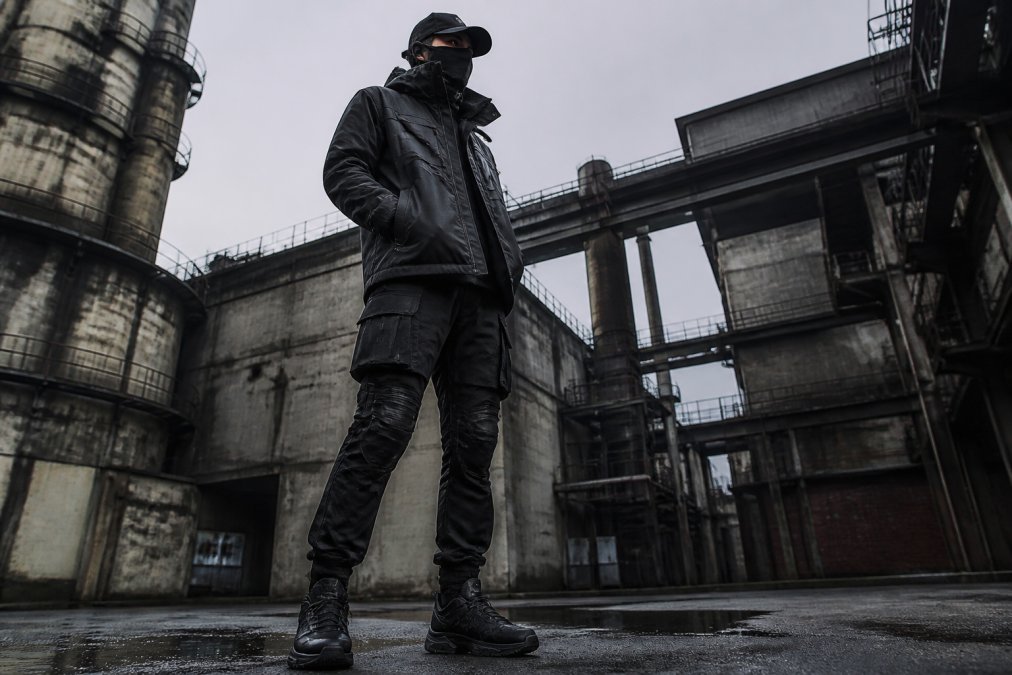
Techwear combines performance-driven fabrics with utilitarian design, creating garments engineered for function first. Think waterproof shells, articulated joints for mobility, seam-sealed construction, and modular pockets. Silhouettes are fitted or tapered for freedom of movement. Colors are typically muted, blacks, grays, olives, with a minimalist, futuristic aesthetic.
The techwear movement emerged from outdoor gear and tactical apparel, blending with cyberpunk subculture and high-fashion design. It's worn by people who value garment construction as much as appearance: they want to know why a pocket is positioned where it is and how the piece performs in real conditions.
What Is Traditional Streetwear?
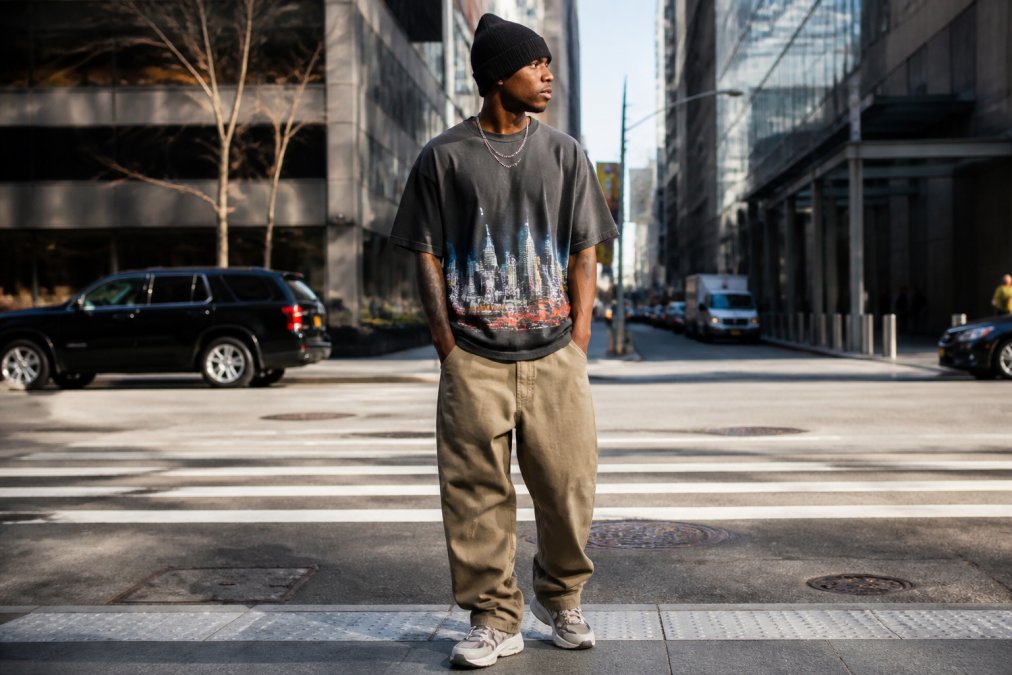
Traditional streetwear is an urban fashion category born from street culture, hip-hop, and skateboarding communities. It celebrates local identity, bold graphics, and heritage silhouettes. Think oversized tees with city-specific graphics, boxy cuts that prioritize presence over precision, and fabrics chosen for comfort and cultural resonance.
Streetwear is about representation. A graphic tee with a city name becomes a statement of belonging. The fit is intentionally relaxed because the silhouette itself communicates confidence and cultural authenticity. Brands like NewCity Brand exemplify this approach, using raw-seam paneling and city-inspired graphics to celebrate metropolitan identity and fuel collective energy.
Key Differences in Fabric Technology and Materials
This is where techwear and traditional streetwear diverge most dramatically.
Techwear Materials: Engineering for Performance
Techwear relies on advanced synthetic materials engineered for specific performance outcomes. The most common base is nylon or polyester blended with elastane for stretch. These fabrics are often treated with proprietary membrane technologies, Gore-Tex being the most recognized, that contain microscopic pores allowing sweat vapor to escape while blocking liquid water (gore.com).
Seam-sealed construction is standard in techwear. Every seam is taped with adhesive-backed waterproof tape on the interior, preventing water from wicking through needle holes. Traditional streetwear rarely uses seam sealing because cotton naturally sheds water through surface tension.
Fabric weight in techwear is calculated precisely. A technical shell might use 100-150 denier nylon, providing weather resistance without excess bulk. Moisture-wicking is another priority: synthetic fibers move sweat away from skin through capillary action, keeping you dry even during activity (peer-reviewed research). Cotton absorbs moisture, becoming heavy and cold when wet.
Traditional Streetwear Materials: Heritage and Authenticity
Traditional streetwear typically uses natural fibers: 100% cotton, cotton-poly blends, denim, and canvas. Premium streetwear cotton is often specified by thread count and weight. The Raw Seam Paneled Miami Boxy Tee uses 26s double-fed cotton with a 280g/m² fabric weight, prioritizing durability and visual presence. Reactive-dyed processes create color depth that doesn't fade quickly. Construction methods like side-seaming, double-stitched ribbing, and coverstitch hems ensure longevity.

Denim in streetwear is often raw or minimally processed, allowing the fabric to develop a unique patina as you wear it. This aging process is valued in streetwear culture; it's the opposite of techwear's goal of consistent performance.
Price-to-Performance: Why Techwear Costs More
Techwear garments typically cost more than equivalent streetwear pieces. Membrane technology, seam sealing, and articulated panel construction add labor and waste. Quality control is stricter because a failed seam means the garment fails its core function.
Environmental Lifecycle: Synthetic vs. Natural
Techwear's synthetic fabrics don't biodegrade, but because they last longer and are worn more intensively, the environmental cost per wear is often lower than fast-fashion alternatives. Traditional streetwear uses natural fibers that biodegrade, but cotton production is water-intensive and often relies on pesticides.
The real sustainability question is longevity and use intensity. A techwear jacket worn 200 times over five years has a lower environmental impact per wear than a streetwear tee worn 30 times over two years, even if the jacket is synthetic and the tee is cotton.
Ergonomics and Silhouette Design
Techwear silhouettes are engineered for movement. Articulated joints at the elbows and knees allow unrestricted range of motion. Tapered or fitted cuts prevent fabric from catching or dragging. Pockets are positioned for accessibility and weight distribution. The aesthetic is architectural; every line serves a purpose.
Traditional streetwear embraces the oversized silhouette as a design statement. Boxy tees hang loose from the shoulders. Pants sit lower and wider through the thigh. This relaxed fit communicates confidence. The Raw Seam Paneled Brooklyn 718 Boxy Tee exemplifies this: an oversized cut that creates visual impact and allows layering. Exposed raw seams turn construction details into design features.

Functional Fashion vs Aesthetic Fashion
Techwear is fundamentally functional fashion engineered around a layering system, while traditional streetwear is aesthetic-first and outfit-based.
The Techwear Layering System: Modular Performance
Techwear operates on a three-layer principle borrowed from outdoor and military gear design (peer-reviewed research).
Base Layer: A moisture-wicking synthetic sits directly against skin, moving sweat away through capillary action.
Mid Layer: A technical insulating piece (fleece, down, or synthetic insulation) provides warmth without bulk. Mid-layers are fitted to avoid excess fabric that would bunch under a shell.
Shell Layer: A waterproof, windproof outer jacket or pants completes the system. The shell's job is protection from elements, not insulation. Seam-sealed construction, articulated panels, and strategic venting allow moisture to escape while blocking wind and rain.
The genius of this system: you adjust warmth and protection by adding or removing mid-layers without changing your base or shell. In fall, wear base + mid-layer. In winter, base + mid-layer + shell. In spring, just base + shell. Every piece is designed to work with the others.
Aesthetic-First Design in Streetwear
Traditional streetwear asks: "What does this garment communicate?" A tee with a city graphic communicates affiliation and pride. An oversized silhouette communicates confidence and cultural authenticity. Functionality exists, the garment needs to fit, last, and feel good, but it's secondary to what the piece says about you and your community.
The streetwear outfit is a complete statement. Every piece contributes to presence and cultural expression. You're thinking about how pieces work together visually and what they say about your taste and community.
When Each Approach Wins
Techwear excels when:
- You're outdoors for extended periods in variable weather
- You're moving through the city by bike or foot
- Temperature or precipitation might change during your day
- You want to wear the same core pieces across seasons by swapping mid-layers
Streetwear excels when:
- You're in urban settings where you can duck indoors quickly
- Social presence and community expression matter more than weather protection
- You're prioritizing visual impact and cultural authenticity
- You want pieces that develop character over time
Most people benefit from having both: techwear for active, weather-variable days, and streetwear for urban presence and community connection.
How to Style Techwear for Beginners
Begin with neutral base layers in black, gray, or olive. Add a fitted or tapered mid-layer, typically a long-sleeve technical shirt in a complementary neutral. Layer a technical jacket or vest with visible pockets and modular details. The silhouette should feel simplified, not baggy.
Bottoms are usually tapered or fitted cargo pants with articulated knees and strategic pockets. Cuff the pants slightly to show your footwear and maintain clean lines.
Choose minimalist sneakers or technical boots in black or neutral tones. Avoid loud graphics or heritage silhouettes, they clash with techwear's aesthetic.
Accessories should be functional: a technical backpack with modular attachment points, minimal jewelry, and maybe a utility belt. Everything visible should have a purpose.
The key mistake beginners make is mixing techwear with streetwear graphics or oversized silhouettes. Techwear's power comes from restraint and coherent design.
Essential Streetwear Wardrobe Pieces
The boxy tee is non-negotiable. NewCity Brand's Raw Seam Paneled collection, available in Miami, Bronx, Los Angeles, and Brooklyn editions, celebrates specific urban communities. The oversized cut, raw-seam paneling, and city-specific graphics create immediate presence.
Add quality denim, either classic blue jeans or black for versatility. The fit should feel intentional: slightly oversized through the thigh, not aggressively tapered.
Layering pieces matter. A lightweight hoodie or overshirt in a neutral tone adds depth without competing with your statement tee. Look for refined construction and substantial fabric weight.
Footwear should feel grounded and authentic. Classic leather sneakers, high-tops, or heritage-inspired kicks work. Avoid overly technical or performance-focused shoes.
Accessories in streetwear are minimal but intentional. A quality backpack, a simple chain or pendant, maybe a beanie in a neutral color. Every piece should feel like it belongs to your community and reflects genuine taste.
Can You Mix Techwear and Streetwear?
The honest answer: it's possible but difficult. The two aesthetics have fundamentally different visual languages, and mixing them usually creates visual confusion rather than coherence.
Techwear's minimalist, futuristic aesthetic clashes with streetwear's bold, heritage-focused approach. A techwear jacket with articulated seams looks visually jarring over an oversized streetwear tee with a city graphic.
Limited overlap zones exist: a neutral, minimalist oversized tee in a solid color could work in both contexts. Monochrome color schemes and technical cargo pants in black or olive could theoretically pair with a quality streetwear tee, though silhouettes would still feel mismatched.
The real insight: don't force it. Choose one aesthetic and commit to it. If you're drawn to both, build two separate wardrobes or rotate between them seasonally. Wear techwear when weather variability demands performance. Wear streetwear when you're prioritizing presence and community connection.
Building your wardrobe around either techwear or traditional streetwear requires clarity about what you actually need from your clothes. NewCity Brand's Raw Seam Paneled collection, starting at $38 for pieces like the Raw Seam Paneled Brooklyn 718 Boxy Tee, gives you authentic streetwear that celebrates your city and fuels collective energy. The premium cotton construction, raw-seam paneling, and city-specific graphics deliver the cultural expression that defines real streetwear. Shop now →
Frequently Asked Questions
What are the primary functional differences between techwear and streetwear?
Techwear prioritizes performance through weather-resistant fabrics, seam-sealed construction, and articulated joints designed for urban mobility. Traditional streetwear emphasizes aesthetic expression and cultural identity through bold graphics, heritage silhouettes, and community representation. Techwear uses technical fabrics like Gore-Tex and membrane technology; streetwear focuses on premium cotton, durability, and visual impact. While techwear solves functional problems, streetwear tells a story about who you are and where you're from.
Can you mix techwear and traditional streetwear pieces?
Mixing these styles can be challenging due to their fundamentally different visual languages. Techwear's minimalist, futuristic aesthetic often clashes with streetwear's bold, heritage-focused approach. While some neutral, minimalist pieces might overlap, generally it's best to commit to one aesthetic for a coherent look. If you're drawn to both, consider building separate wardrobes or rotating between them based on your needs for performance versus cultural expression.
How do I choose between techwear and traditional streetwear for my wardrobe?
Choose techwear if you prioritize functionality, live in variable weather, and want weather resistance and modular design. Choose traditional streetwear if you value cultural expression, community identity, and bold visual storytelling. Consider your lifestyle: techwear suits active urban mobility and outdoor conditions; streetwear excels at self-expression and social presence. Many people build both, techwear for performance days and streetwear for cultural representation. NewCity Brand's city-specific pieces like the Raw Seam Paneled Brooklyn 718 Boxy Tee ($38) exemplify traditional streetwear's identity-driven approach.
Is techwear considered a subgenre of streetwear?
Techwear and streetwear are distinct categories that sometimes overlap. Streetwear is a broader cultural movement rooted in urban street culture, hip-hop, and skate communities. Techwear is a specialized functional aesthetic that emerged from technical apparel and cyberpunk influences. While some brands blend both (creating darkwear or gorpcore), they have different design philosophies. Streetwear asks 'what does this say about me?' Techwear asks 'how does this perform?' Understanding this distinction helps you shop intentionally for the style that matches your actual needs and identity.
This article was written using GrandRanker