

Table of Contents
- What Is Loopback Jersey Fabric
- Loopback vs Fleece: Key Differences
- Best Fabric for Hoodies: Why Loopback Wins
- How to Identify Loopback Fabric by Sight and Touch
- How to Wash a Loopback Hoodie Properly
- Loopback Jersey vs French Terry: Terminology Explained
- Choosing the Right Loopback Hoodie for Your Needs
- Frequently Asked Questions
Last Updated: October 8, 2026
What Is Loopback Jersey Fabric
Loopback jersey fabric is a knit textile with a smooth, flat outer face and a distinctive looped inner surface. The loops trap warm air, making it ideal for hoodies and sweatshirts, while the two-sided construction delivers a premium feel outside and cozy texture within.
At NewCity Brand, we choose loopback for our premium sportswear sets because it balances structure with comfort. The fabric holds its shape through wear and washing, unlike lighter jersey knits that can lose definition over time.
The Knit Structure and How It's Made
Loopback begins as a jersey knit, made by interlocking yarn loops in one direction. During knitting, the yarn is looped back on itself, creating the characteristic loops on the reverse side while keeping the face smooth.
The result is a thicker, more stable fabric than standard jersey, with loops that add insulation without bulk.
The construction process involves:
- Feeding yarn through a knitting machine
- Creating interlocking loops in one direction
- Looping yarn back to form the underside texture
- Finishing with heat-setting to stabilize the structure
This method produces a fabric that breathes while retaining warmth. It's durable because the knit structure distributes stress evenly across the loops.
Smooth Outer Face, Looped Inner Surface
The contrast between the two sides is what makes loopback special. The smooth outer face suits printing or layering, while the inner loops provide softness and insulation against your skin.
This dual-surface design delivers a polished appearance outside and comfort inside, trapping air without a heavy, suffocating feel.
The smooth face also makes loopback ideal for detailed graphic work, letting printers achieve sharp lines and vibrant colors without the looped interior interfering with ink adhesion.
Loopback vs Fleece: Key Differences
Fleece and loopback are often confused because both are warm and soft, but they're fundamentally different fabrics.
Fleece is polyester brushed to raise tiny fibers across the entire surface. Loopback uses a knit structure with loops only on the underside.
Here's what separates them:
| Feature | Loopback | Fleece |
|---|---|---|
| Fiber Type | Cotton or cotton blend | Polyester |
| Inner Surface | Looped texture | Brushed throughout |
| Outer Surface | Smooth, printable | Fuzzy, less defined |
| Weight Feel | Structured, substantial | Lightweight, airy |
| Durability | Holds shape well | Can pill with wear |
| Print Quality | Sharp, vibrant graphics | Softer, less crisp |
| Breathability | Good air circulation | Traps heat more |
| Care | Gentle wash, air dry | Standard machine wash |
Loopback feels more substantial; fleece feels lighter and airier. For sharp looks and crisp graphics, loopback wins. For maximum warmth without graphic detail, fleece works.
Best Fabric for Hoodies: Why Loopback Wins
Loopback is the best fabric for hoodies because it combines durability, comfort, and visual appeal, which is why premium streetwear brands use it almost exclusively.
The smooth outer face accepts graphics beautifully, keeping bold prints vibrant through dozens of washes. The fabric resists pilling, and the looped interior keeps you warm without feeling heavy.
Loopback also drapes well without clinging or bunching at the seams, and its weight gives it presence, which is why loopback hoodies command higher prices than standard jersey alternatives.
Weight and GSM for Hoodie Performance
GSM stands for grams per square meter. It measures fabric density and directly affects how a hoodie feels and performs.
Lightweight loopback runs 250-300 GSM: breathable for mild weather or layering, but with minimal insulation.
Midweight loopback sits at 300-400 GSM. This is the sweet spot for most hoodies. It provides warmth without bulk. It's comfortable for fall and spring wear. NewCity Brand's ST. LOU 314 sportswear set uses 420 GSM fabric, a premium midweight that feels substantial in hand.

Heavyweight loopback exceeds 400 GSM. These dense, warm hoodies suit winter or intense activity, though the fabric can feel stiff initially before softening with wear.
For everyday wear, aim for 350-420 GSM. This weight range offers:
- Visible structure and presence
- Adequate insulation without overheating
- Good durability and shape retention
- Comfortable fit that doesn't feel restrictive
Warmth, Breathability, and Comfort
Loopback excels at warmth without suffocation: the loops trap air for insulation, while the knit structure lets moisture escape so you won't feel clammy during activity.
Cotton loopback breathes better than synthetics and naturally wicks moisture from skin, making it ideal for active wear or layering under jackets.
The comfort is immediate: the smooth outer face feels refined against other garments, the looped interior is gentle on skin, and the weight provides a grounding sensation.
Loopback also maintains its softness through repeated washing. Unlike fleece, which can flatten, loopback retains its structure because the loops are built into the knit, not brushed on.
How to Identify Loopback Fabric by Sight and Touch
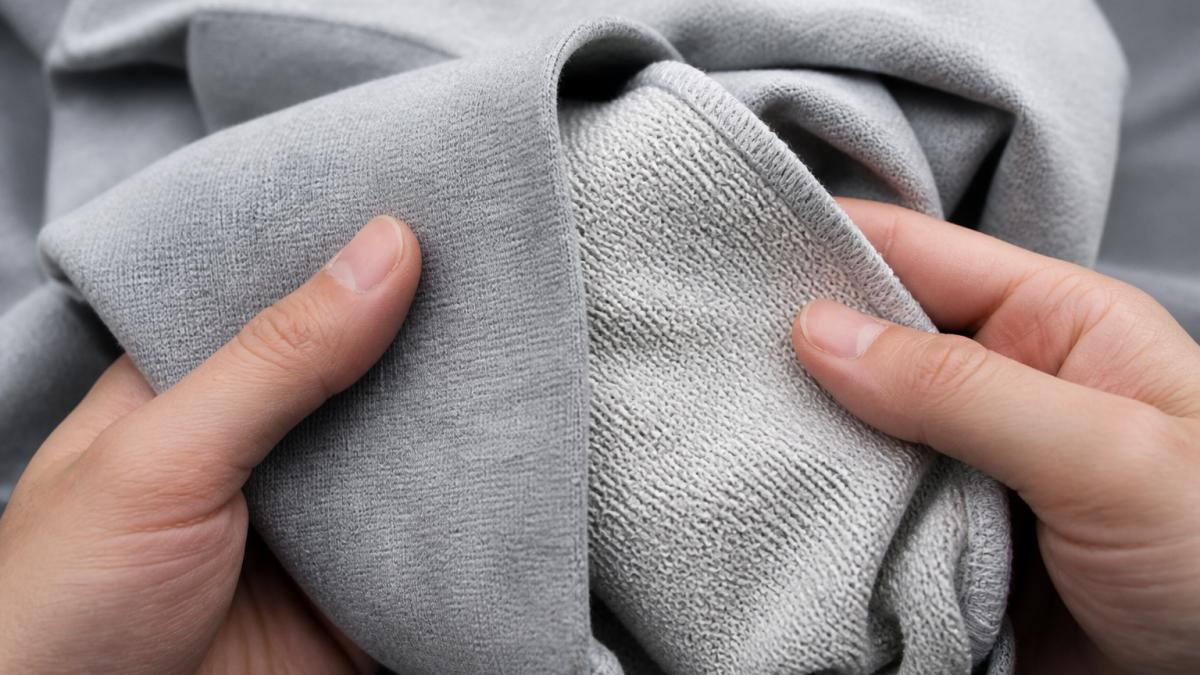
Identifying loopback is straightforward once you know what to look for. The two-sided construction makes it unmistakable.
Look at the reverse side first. Distinct, uniform, tightly packed loops covering the entire underside mean you're holding loopback, they're raised structures, not brushed or fuzzy.
Feel the outer face. Run your hand across the smooth side. It should feel flat and refined, almost like a light cotton jersey. There's no fuzz or raised texture. The surface is even and suitable for printing.
Check the weight. Loopback feels substantial, noticeably heavier than standard jersey but lighter than fleece, with presence but no stiffness.
Look for the knit pattern. Examine the edge of the fabric closely. You'll see the characteristic knit structure, interlocking loops running in one direction. This is the foundation of loopback construction.
Test the stretch. Loopback has moderate stretch with good recovery. Pull gently at the fabric and release. It should snap back to shape quickly. Poor recovery suggests lower-quality construction or a cotton blend that's lost elasticity.
Compare to alternatives. Side by side, fleece is fuzzy throughout, loopback is smooth on one side and looped on the other, and jersey knit is thinner and lighter.
How to Wash a Loopback Hoodie Properly
Proper care extends the life of your loopback hoodie significantly. The fabric is durable, but washing technique matters.
Casual Sportswear Set — ST. LOU 314 →
Wash inside out. This protects outer graphics and keeps the more delicate inner loops from friction with other garments.
Use cold water and gentle cycle. Hot water can damage fibers and cause shrinkage; a delicate cycle avoids agitation that stresses the knit structure.
Choose mild detergent. Mild options are gentler on the fabric, and skip bleach entirely, it degrades cotton and creates discoloration or weak spots.
Wash with like colors. Loopback is often dyed with reactive dyes for vibrant, long-lasting color. Washing with similar colors prevents dye transfer. Separate lights and darks.
Avoid the dryer. Machine drying creates heat that damages the fabric and causes shrinkage. Hang dry instead; loopback dries completely within 24 hours.
Iron on low heat if needed. If wrinkles bother you, use low heat or steam. Iron the outer face only, avoid the looped interior. A garment steamer is gentler than an iron.
Shrinkage, Pilling, and Long-Term Care
Loopback shrinks slightly if exposed to heat. Pre-shrinking during manufacturing reduces this risk. Still, expect 2-3% shrinkage if you use hot water or high heat.
The best way to prevent shrinkage is to stick with cold water and air drying. This preserves the original fit and feel. If shrinkage does occur, it's usually minimal and acceptable.
Pilling happens when loose fibers ball up on the fabric surface. Loopback is resistant to pilling compared to fleece, but it's not immune. Pilling occurs most at friction points, underarms, cuffs, and areas that rub against other fabrics.
Prevent pilling by:
- Washing inside out to reduce friction
- Using mild detergent
- Avoiding rough fabrics in the same wash load
- Limiting drying time (always air dry)
- Wearing undershirts to reduce direct contact
If pilling does develop, use a fabric shaver or de-pilling tool. These devices remove pills without damaging the underlying fabric. A simple lint roller can handle minor pilling.
Store loopback hoodies folded or on hangers in a dry place. Avoid damp basements or humid closets. Moisture promotes mildew and odor. A cedar block or lavender sachet keeps the fabric fresh without chemical treatments.
Loopback Jersey vs French Terry: Terminology Explained
The terms loopback and French terry are often used interchangeably, but they're not identical. Understanding the distinction matters when shopping for premium hoodies.
French terry is technically a type of loopback. It's a knit fabric with loops on one side and a smooth face on the other. The term comes from French origins, though the fabric is now produced worldwide.
The key difference is in construction detail. True French terry uses a specific looping technique that creates slightly different loop patterns. Loopback is the broader category that includes French terry and other loop-based knits.
In practical terms, when brands say "French terry," they're usually emphasizing a certain aesthetic or construction quality. When they say "loopback," they're describing the fabric category. Both terms refer to the same fundamental two-sided structure.
For hoodies, the distinction matters less than the quality of execution. A well-made loopback and a well-made French terry will perform similarly. Look at the GSM, fiber content, and construction quality rather than getting hung up on terminology.
NewCity Brand uses the term French terry in our product descriptions because it signals a specific level of craftsmanship and attention to detail. The fabric is loopback, meaning it has that signature looped underside, but French terry emphasizes the premium nature of the knit.
Choosing the Right Loopback Hoodie for Your Needs
Selecting a loopback hoodie depends on your climate, activity level, and aesthetic preferences.
For everyday urban wear: Choose a 350-400 GSM loopback in a neutral color. This weight is comfortable for most seasons and versatile enough to pair with other pieces.
For winter or outdoor activity: Go heavier, 420+ GSM. The increased density provides serious warmth without bulk. You'll feel the quality immediately, and the hoodie will last years with proper care.
For layering under jackets: Pick a lighter loopback around 280-320 GSM. It adds warmth without creating bulk under outer layers. The smooth outer face prevents snagging on zippers or rough textures.
For graphic-heavy designs: Loopback is your best choice regardless of weight. The smooth outer face showcases prints with clarity and vibrance. The loops won't interfere with ink adhesion or design sharpness.
For sensitive skin: Ensure the loopback is 100% cotton or a cotton-dominant blend. Synthetic blends can irritate. The looped interior should feel soft, run your hand across it before buying.
For active wear: Choose loopback with good stretch and recovery. Test the elasticity by pulling gently at the fabric. It should snap back immediately. This indicates quality yarn and proper construction.
Consider your local climate too. In warm regions, stick with lighter GSM loopback. In cold climates, heavier weights make sense. Humidity matters, in damp environments, cotton loopback breathes better than synthetic fleece.
[NewCity Brand's Casual Sportswear Set, ST. LOU 314](https://newcitybrand.com/products/casual-sportswear-set-st-lou-314) uses 420 GSM French terry loopback, making it ideal for those seeking premium weight and durability.

For women seeking the same quality, the Women's STL Sportswear Set, 314 delivers identical fabric weight and construction in a tailored fit at $42.00.
Loopback jersey fabric represents the intersection of durability, comfort, and visual appeal. Understanding its structure, weight, and care requirements lets you make informed choices about the hoodies you wear and the brands you support.
Frequently Asked Questions
What does loopback jersey fabric mean?
Loopback jersey is a knit fabric with a smooth outer face and looped inner surface. The loops are created during the knitting process when yarn wraps back on itself, trapping air for insulation while keeping the exterior clean and polished. This construction makes loopback ideal for hoodies because it delivers warmth and comfort without bulk.
How does loopback fabric compare to fleece?
Loopback is a knit structure, while fleece is brushed and fluffed after knitting. Loopback offers a sleeker appearance. Fleece is bulkier and more textured.
Does loopback fabric shrink when washed?
Pre-shrunk loopback fabric, like the 420 GSM cotton used in NewCity Brand's sportswear sets, minimizes shrinkage. Wash inside out in cold water on a gentle cycle with mild detergent, and hang dry to prevent further shrinkage. Avoid bleach, soaking, and high heat. These steps protect the fabric's structure and color.
What fabric weight should I choose for a loopback hoodie?
For hoodies, 400-450 GSM (grams per square meter) is the sweet spot. This weight, like the 420 GSM used in NewCity Brand's hoodies, delivers substantial warmth and drape without feeling heavy or restrictive. Lighter loopback (under 350 GSM) works for layering pieces; heavier weights (over 500 GSM) are better for sweatpants or winter-only wear.