

Table of Contents
- Build a Cold-Weather Layering System That Works
- Step 1: Choose a Base Layer That Manages Moisture
- Step 2: Pick a Techwear Midlayer Jacket for Insulation
- Step 3: Add a Waterproof Techwear Shell on Top
- Step 4: Regulate Temperature by Adding or Removing Layers
- Step 5: Put Together a Complete Techwear Winter Outfit
- Common Layering Mistakes and How to Fix Them
- Conclusion
- Frequently Asked Questions
Last Updated: October 15, 2026
Build a Cold-Weather Layering System That Works
Cold-weather layering means wearing multiple thin garments in a set order so each handles one job: moving sweat, trapping heat, or blocking wind and rain.
The 5 steps below work for a mild 40°F commute and a subzero walk alike. But first, what most guides get wrong.
The OSHA cold stress guidance makes the point plainly: the goal is managing moisture and heat, not piling on weight.
The Three Layers and What Each One Does
A cold-weather layering system has three parts, worn in this order:
- Base layer, sits against your skin and moves sweat away
- Midlayer, traps heat and insulates
- Outer layer, blocks wind, rain, and snow
Each layer has one job. When a garment tries to do two, it usually does both badly.
Why Layer Order Matters More Than Brand Names
Order matters because moisture always moves outward, away from your body. If your waterproof shell sits against your skin, sweat has nowhere to go. If your insulating layer is on the outside, wind cuts straight through it.
Brand names don't fix a wrong order. A $60 base layer under a $400 shell still fails if the shell is on the inside. Get the sequence right, then upgrade the pieces.
Step 1: Choose a Base Layer That Manages Moisture
The base layer is the most important piece you'll buy, and most people skip it. Choose a thin, sweat-wicking top in merino wool or a synthetic blend.
Here's how to pick one:
- Material: merino wool or polyester, never cotton
- Fit: snug but not tight, so it touches skin and moves sweat
- Weight: light for active days, midweight for standing around
Moisture management is the whole point. A dry base layer keeps you warm even when the air is brutal. A wet one drags your temperature down no matter how good your jacket is.
Step 2: Pick a Techwear Midlayer Jacket for Insulation
A techwear midlayer jacket traps the heat your body makes, sitting between the base layer and the shell.
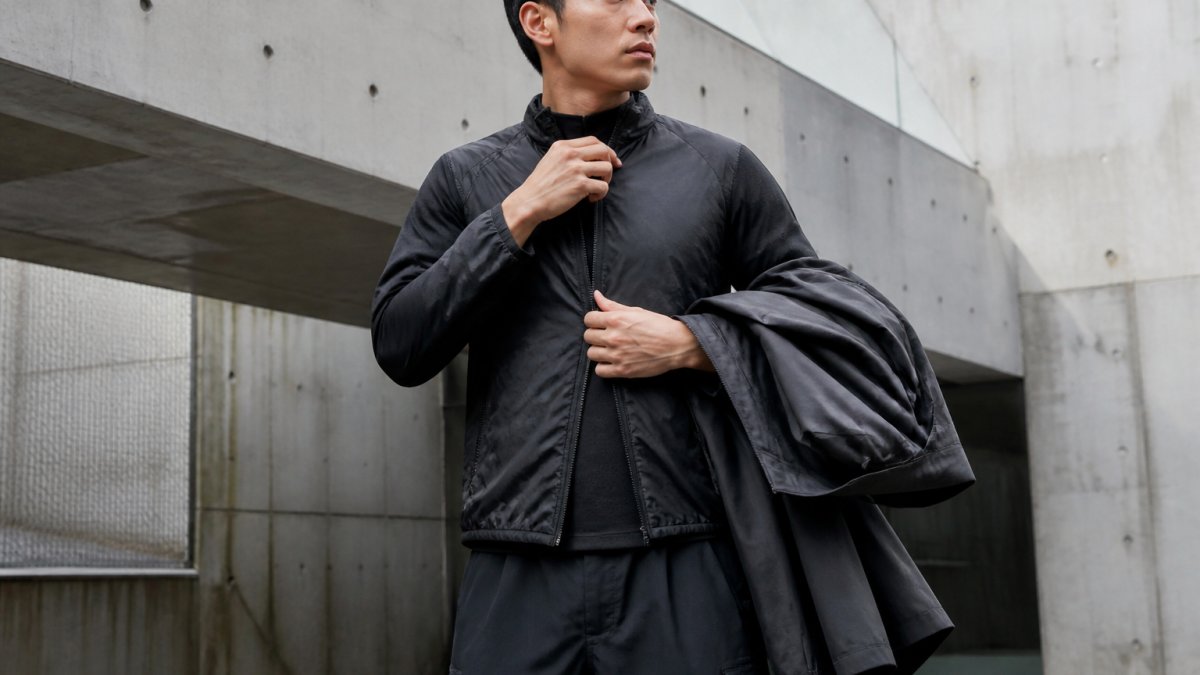
Our Brushed Fleece St. Lou 314 Hoodie is built for this exact slot. A full-zip option like our Snow-Washed Zip Front Hoodie lets you vent fast when you heat up.


Match the Midlayer to the Conditions, Not the Label
The biggest upgrade you can make is choosing insulation by the conditions you'll actually be in, not by what the tag calls it. Three variables drive the decision: temperature, wind, and how hard you'll be moving.
- Mild cold (roughly 35-45°F), active: a light fleece or grid-fleece midlayer. You generate heat fast, so you want the least insulation that still blocks a chill. A 200-260g/m² fleece is usually enough.
- Moderate cold (roughly 20-35°F), mixed activity: a midweight fleece or a light synthetic puffer. This is the range where a hooded midlayer earns its keep, because your neck and head lose heat quickly when you stop.
- Deep cold (below 20°F), low activity: a down or high-loft synthetic puffer as the midlayer, with a hard shell over it. Standing around in deep cold is the one time you want maximum loft.
A common pattern is owning two midlayers, one light, one heavy, and swapping as the season shifts. That beats one "do-everything" piece that's too warm in October and too thin in January.
Down vs. Synthetic Insulation: What Actually Matters
Down traps more heat per ounce and packs down small. Synthetic keeps insulating when damp and costs less. The trade-off shows up most in wet snow and high-sweat activity.
- Choose down for dry cold and cold-weather travel where packing space matters. Look for higher fill power for more warmth per ounce, higher fill power means more loft from less material.
- Choose synthetic for wet snow, high sweat, and everyday city wear. Synthetic fill keeps its structure when damp, so it keeps insulating when down would collapse.
- Skip both if your midlayer is a heavy fleece and you run warm.
The honest trade-off: down loses loft when wet, and synthetic is bulkier for the same warmth. Match the fill to your weather, not a label.
Why Techwear Midlayers Are Different
A general winter midlayer only has to be warm. A techwear midlayer has to be warm, move with you, and look intentional when it's your outermost piece. That changes what you look for:
- Articulated or raglan sleeves so you can raise your arms without the hem riding up and exposing your lower back.
- A hood that layers under a shell hood without bunching, or a collar that seals against your neck when you skip the hood.
- A hem that stays put, a drawcord or a slightly longer back hem keeps cold air from creeping in when you bend or sit.
This is the part most guides skip: in techwear, the midlayer is often the piece people actually see, since you shed the shell indoors. Pick one that performs under the shell and reads as a finished outfit on its own.
Step 3: Add a Waterproof Techwear Shell on Top
A waterproof techwear shell is your outer layer, blocking wind, rain, and snow. Look for a hooded jacket with taped seams and a breathable membrane. Breathability matters as much as waterproofing, a shell that traps sweat is worse than no shell at all.
What to check before you buy:
Brushed Fleece St. Lou 314 Hoodie →
- Waterproof rating high enough for steady rain, not just drizzle
- Taped or sealed seams, since stitched seams leak
- Pit zips or chest vents to dump heat on the move
Wind protection is the quiet win: a shell cuts the wind that strips heat off your midlayer, which is why the same outfit feels warmer with one.
Step 4: Regulate Temperature by Adding or Removing Layers
Temperature regulation is an active job, not a one-time setup. Add or remove layers as your activity and the weather change. The rule: start slightly cold, then warm up as you move.
Here's how to run it:
- Before you head out: wear one layer less than feels right
- First 10 minutes: let your body heat build inside the shell
- When you feel sweat: open vents or remove the midlayer
How to Avoid Overheating and Sweat Buildup
Overheating is the most common cold-weather mistake, and it's sneaky. You feel fine while moving, then the sweat you built up chills you the moment you slow down.
- Open pit zips before you start sweating, not after
- Take off your hat and gloves first when you overheat
- Swap a heavy midlayer for a lighter one on active days
Sweat buildup turns a good layering system into a bad one. Keep moisture moving and you stay warm.
Managing Moisture When It's Below Freezing
Most layering advice stops at "stay dry." The hard part is when you can't, working hard in deep cold, sweat is unavoidable. In a well-vented system, moisture moves outward through the base layer, midlayer, and out the shell's membrane or vents.
The fix is to manage moisture in stages, not all at once:
- Vent early and often. Crack the pit zips and the main zipper before you feel hot. Once sweat has soaked your base layer, venting only dries the surface, the moisture is already against your skin.
- Use a two-part base layer for hard activity. A thin synthetic liner moves sweat faster than a single midweight merino top, and it dries faster if it does get damp.
- Give damp insulation a chance to dry. If your midlayer gets wet, take it off during a rest stop and let body heat and airflow dry it, rather than leaving it compressed under a shell. A damp synthetic midlayer recovers faster than down.
A common pattern in prolonged cold exposure is the "stop-and-chill": you're fine while moving, then the moment you stop, built-up sweat pulls heat out fast.
Match Your Layer Count to Your Activity Level
How many layers you wear should track how hard you're working, not just the thermometer:
- High output (hiking, cycling, heavy walking): fewer, thinner layers with big vents. You'll generate most of your own heat.
- Mixed output (commuting, errands, stop-and-go): a standard three-layer setup you can open and close as you move between warm and cold spaces.
- Low output (standing, sitting, slow walking): more insulation, especially on your core and extremities, because you're not making heat to replace what you lose.
The mistake is dressing for temperature alone: two people in the same 25°F weather need different layer counts if one is jogging and the other is waiting for a bus.
Step 5: Put Together a Complete Techwear Winter Outfit
A complete techwear winter outfit pairs the three layers with the right lower body and footwear. Most people nail the top half and freeze from the waist down.
Here's a full outfit that works for a cold city day:
- Base: sweat-wicking merino or synthetic top
- Midlayer: brushed fleece hoodie, like our St. Lou 314
- Shell: waterproof hooded jacket with vents
Layer order stays the same no matter the temperature. You just change the thickness of each piece.

Lower-Body and Footwear Layering for Cold Climates
Your legs and feet need the same logic as your torso: a moisture-wicking base under your pants, an insulating layer, then a wind- and water-resistant outer. For feet, the order is liner sock, wool sock, waterproof boot.
Our Brushed Fleece St. Lou 314 Sweatpants work as a warm midlayer under a shell on milder days, with a 380g/m² brushed interior and an oversized tapered fit that leaves room to move.
Common Layering Mistakes and How to Fix Them
The mistakes below cause most cold-weather misery. Each one has a quick fix.
| Mistake | Why It Fails | The Fix |
|---|---|---|
| Cotton base layer | Holds sweat, chills you | Switch to merino or synthetic |
| Shell worn inside | Traps sweat, no wind block | Always wear shell outermost |
| Too many layers | Overheat, then chill | Start cold, add as you go |
| Compressed midlayer | Loses loft, stops insulating | Size up the shell |
| No vents | Sweat builds up | Open pit zips early |
| Cotton socks | Stay wet, freeze feet | Liner plus wool socks |
Conclusion
Cold-weather layering rewards the basics: the right order, the right fabrics, and the discipline to adjust as you go. Build around moisture management first, then add insulation and weather protection. NewCity Brand makes pieces that fit this system, from our Brushed Fleece St. Lou 314 Hoodie to our snow-washed zip-front hoodies, all built with high-grade fabrics and a fit that layers cleanly.
Frequently Asked Questions
How many layers do you need to stay warm in cold climates?
Three layers handle most cold-weather conditions: a moisture-wicking base layer, an insulating midlayer, and a waterproof shell. In mild cold around 40°F, two layers may be enough. For subzero conditions, add a heavier midlayer or a second insulating piece. The goal is trapping warm air without trapping sweat, so adjust the count based on temperature, wind, and how active you plan to be.
What should you wear under a techwear shell in winter?
Under a waterproof techwear shell, wear a sweat-wicking base layer and a techwear midlayer jacket for insulation. Skip cotton next to your skin because it holds moisture and chills you when you slow down. A synthetic or merino base layer moves sweat away from your body, and a fleece or insulated midlayer traps warmth. The shell then blocks wind, rain, and snow while letting excess heat escape.
How do you layer techwear without overheating?
Start with fewer layers than you think you need and add as you go. Open pit zips and chest vents on your shell before you start sweating, and remove your midlayer once you feel warm. If you are moving fast, a base layer plus shell often works down to freezing. Save the heavy insulation for standing around or subzero wind chills. Regulating early beats stripping down after you are already damp.
How should techwear layers fit together?
Each layer should sit close to the body without compressing the one beneath it. Your base layer should be snug, the midlayer should have room for a thin shirt underneath, and the shell should fit over both without pulling at the shoulders. If your shell feels tight across the back, size up. Restricted movement and compressed insulation both cut warmth, so test the full stack before you commit to a winter outfit.