

Table of Contents
- Why Graphic Print Care Matters for Your Streetwear Investment
- How to Wash Graphic Tees Without Damaging the Print
- Best Detergent for Graphic Tees and Hoodies
- How to Dry Graphic Tees to Preserve Print Quality
- How to Prevent Graphic Prints from Cracking and Peeling
- Care Tips for Hoodies, Jackets, and Heavy Streetwear
- Storage and Long-Term Maintenance for Graphic Print Streetwear
- Repairing Damaged or Peeling Prints
- Frequently Asked Questions
Last Updated: October 18, 2026
Why Graphic Print Care Matters for Your Streetwear Investment
Your graphic print streetwear is a statement piece that represents your city, your style, and your identity. When you invest in premium urban apparel, proper care for graphic print keeps that investment looking sharp.
Graphic prints fade, crack, and peel when exposed to harsh washing, high heat, and friction, a single careless wash can ruin a crisp graphic tee. The good news: protecting your graphic print streetwear is straightforward once you know the right steps.

At NewCity Brand, we craft premium pieces like our Snow-Washed St. Louis "The Lou" Graphic Tee and Heavyweight Sun-Faded Hoodie with high-grade fabrics and iconic graphics designed to last.

How to Wash Graphic Tees Without Damaging the Print
Washing is where most graphic print damage happens, agitation, heat, and chemicals break down inks and fabric finishes. The solution: gentle handling, cold water, and mild detergent.
Turn Your Garments Inside Out
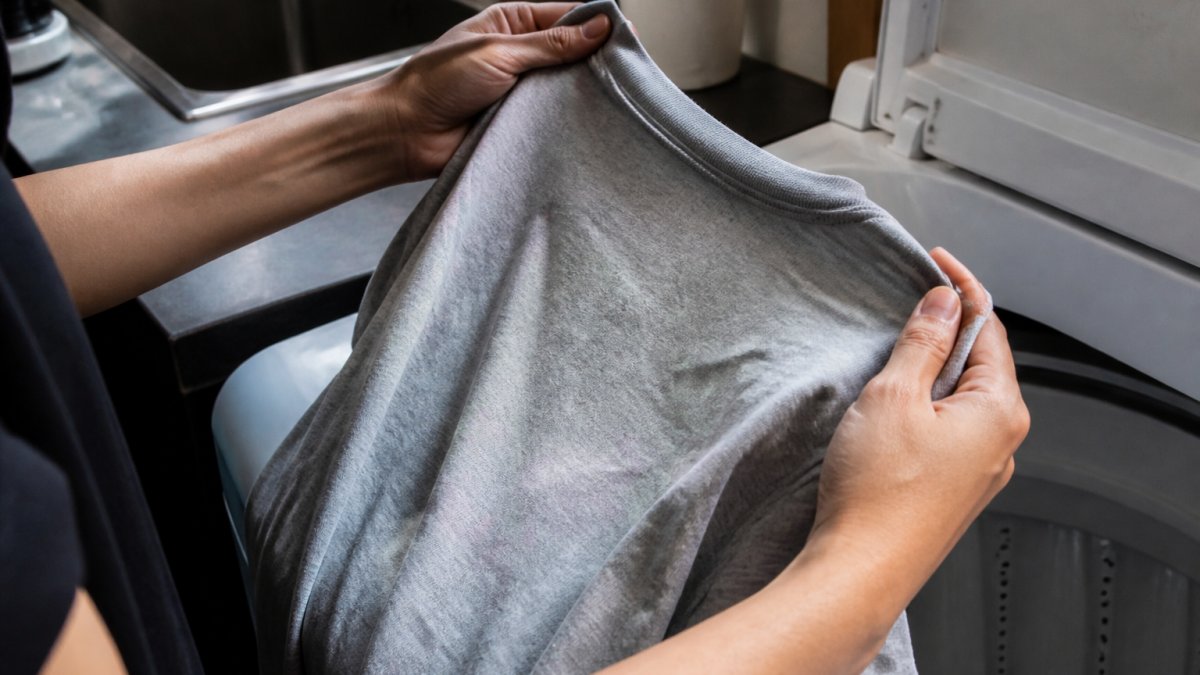
This is the single most effective step you can take. Turning your graphic tee inside out creates a protective barrier between the printed surface and the machine's agitation.
Here's why it works:
- The reverse side of the fabric faces the drum and water jets
- The graphic print stays shielded from direct friction
- Colors and inks are less exposed to mechanical stress
Make it your automatic first step. It takes three seconds and makes a massive difference in print longevity.
Use Cold Water and a Gentle Cycle
Heat and aggressive agitation are the enemies of graphic prints. Cold water preserves color vibrancy and prevents ink breakdown; a gentle cycle reduces friction and mechanical stress.
Set your washing machine to:
- Cold water (under 60°F)
- Gentle or delicate cycle
- Low spin speed if available
- Shorter wash duration (30-45 minutes maximum)
Cold water also helps prevent color bleeding, especially with new pieces. Wash like-colored garments together to minimize color transfer.
Choose Mild Detergent and Skip the Bleach
Standard detergents contain harsh chemicals that fade prints and damage fabric finishes. Mild detergent is gentler on both the graphic and the base fabric.
What to use:
- Mild liquid detergent (liquid works better than powder for prints)
- Detergent labeled for delicates or colors
- A small amount only (about half the recommended dose)
What to avoid:
- Oxygen bleach and chlorine bleach
- Heavy-duty detergents
- Fabric softener (it coats the fabric and dulls prints)
- Enzymatic detergents (they break down fibers)
Even diluted bleach can cause discoloration, fading, and weakening of the ink bond. For stains on white graphic tees, spot-clean instead of using bleach.
Best Detergent for Graphic Tees and Hoodies
Not all mild detergents are equal. Look for products formulated for delicate fabrics or color protection.

Effective detergent characteristics:
- Neutral pH (around 7)
- Free of optical brighteners (these can alter colors)
- Biodegradable and gentle on fibers
- Designed for cold water washing
For heavyweight pieces like hoodies, use a detergent that won't leave residue on the brushed fleece, residue dulls texture and makes fabric feel stiff. A bottle lasts through dozens of washes and extends the life of your graphic print streetwear significantly.
When washing our Oversized Sun-Faded Long Sleeve Top, use the gentlest detergent available. The sun-faded finish is intentional, but aggressive washing can create uneven fading that looks damaged rather than designed.
How to Dry Graphic Tees to Preserve Print Quality
Drying is where heat damage happens, high temperatures cause inks to crack, fade, and peel, undoing all the care you put into washing.
Air-Dry Your Printed Garments
Air-drying is the gold standard for graphic print preservation, it eliminates heat damage entirely and maintains color vibrancy.
Best air-drying practices:
- Hang garments on a clothesline or hanger immediately after washing
- Use wooden or plastic hangers (metal can rust and stain)
- Hang by the shoulders, not the hem (prevents stretching)
- Ensure good air circulation
- Dry in a shaded area away from direct sunlight
For hoodies and heavier pieces, lay flat on a clean, dry surface instead of hanging, hanging heavy, wet garments can stretch the shoulders and neckline. Air-drying takes 6-24 hours depending on humidity and fabric weight, but your graphic prints stay vibrant and the fabric maintains its shape.
Avoid High Heat and Direct Sunlight
If you must use a dryer, use the lowest heat setting, even "low heat" can damage graphic prints if exposure is prolonged.
Heat damage appears as:
- Cracking in the printed surface
- Fading or color shift
- Peeling at the edges of the graphic
- Loss of softness in the base fabric
Direct sunlight causes similar damage, ultraviolet light fades inks and degrades fabric finishes. Never hang graphic print garments in direct sun to dry. If you must use a dryer, remove the garment while still slightly damp and hang it to finish drying.
Snow‑Washed St. Louis “The Lou” Graphic Tee →
How to Prevent Graphic Prints from Cracking and Peeling
Cracking and peeling happen when the bond between ink and fabric weakens through heat exposure, friction, and aggressive washing. Prevention is far easier than repair.
Minimize Friction During Wear and Washing
Friction is the primary cause of print degradation, every rub against your body, a backpack strap, or another garment in the washer weakens the ink bond slightly.
Reduce friction during wear:
- Wear your graphic tee as a standalone piece when possible (not under a jacket)
- Avoid tight fits that create constant rubbing against your skin
- Layer with soft, smooth fabrics rather than rough textures
- Rotate your graphic pieces (wearing the same tee daily accelerates wear)
Reduce friction during washing:
- Wash inside out
- Use a gentle cycle (low agitation = less friction)
- Avoid overloading the washer (crowded loads increase friction between garments)
- Wash graphic tees separately from rougher fabrics like jeans or heavy cotton
Rotating your graphic print streetwear is smart strategy, wearing a piece once or twice per week instead of daily extends its lifespan significantly.
Spot-Clean Stains Instead of Full Washes
Every wash stresses the graphic and the base fabric. If you can address a stain without a full wash, do it.
How to spot-clean:
- Blot the stain with a damp cloth (don't rub)
- Use cold water and mild detergent
- Gently dab the stain, working from the outside edges inward
- Rinse with clean, cold water
- Air-dry the spot
For stubborn stains, let the mild detergent sit for 10-15 minutes before rinsing. Avoid scrubbing, which can push the stain deeper or damage the print. Many everyday stains respond well to spot-cleaning, so you can go weeks between full washes, dramatically extending the life of your graphic print garments.
Care Tips for Hoodies, Jackets, and Heavy Streetwear
Heavier pieces like hoodies and jackets require slightly different care than basic tees.
Hoodies have unique care needs:
- Wash less frequently than tees (every 3-4 wears instead of every 1-2)
- Use the reverse-wash method (inside out is even more critical)
- Lay flat to dry (hanging stresses the shoulders and neckline)
- Smooth out the hood while drying to prevent wrinkles
- Brush the fleece gently with a soft brush once dry to restore texture
Our Heavyweight Sun-Faded Hoodie, STL 314 features brushed fleece that can pill if washed too aggressively. Use extra-gentle cycles and mild detergent to preserve the brushed surface.
Jackets with graphic prints:
- Follow the same cold water, gentle cycle, inside-out approach
- Pay special attention to seams and collar areas (these experience more friction)
- Dry flat or hang loosely (tight hangers can distort the shoulder seams)
- Consider dry-cleaning for heavily soiled jackets
If the outer material is water-resistant, hand-wash instead of machine-washing to preserve the coating. Streetwear pieces often feature unique finishes, snow-washed textures, distressed details, reactive dyes. These are intentional design elements, so aggressive washing can blur the lines between intentional distressing and accidental damage. Treat them gently.
Storage and Long-Term Maintenance for Graphic Print Streetwear
How you store your graphic print streetwear between wears matters as much as how you wash it. Improper storage causes fading, yellowing, and print degradation.
Storage best practices:
- Store in a cool, dry place away from direct sunlight
- Use wooden hangers for pieces you hang (avoid plastic, which can stain)
- Fold heavier pieces like hoodies and jackets to prevent shoulder stretching
- Keep pieces separated by color to prevent dye transfer
- Use acid-free tissue paper to wrap folded garments (prevents yellowing)
- Avoid plastic storage bags (they trap moisture and promote mildew)
Direct sunlight is a silent killer of graphic prints, a window-facing closet will fade prints faster than you'd expect. Temperature fluctuations and humidity also matter, so store pieces in climate-controlled spaces when possible. For long-term storage, use breathable garment bags instead of plastic to protect from dust while allowing air circulation.
Repairing Damaged or Peeling Prints
Despite your best efforts, prints can crack or peel. Some damage is repairable.
Assess the damage:
- Small cracks at edges: often repairable
- Large areas of peeling: difficult to repair well
- Fading: cannot be reversed (prevention is the only option)
- Ink separation from fabric: indicates the print is failing
For small cracks or peeling edges:
- Clean the area gently with a soft brush
- Apply a fabric glue specifically designed for prints
- Press the ink back down and hold for 30 seconds
- Let cure for 24 hours before washing
- Avoid high heat when drying
Apply glue sparingly, excess will show and feel stiff. For extensive damage, specialty textile repair shops can sometimes re-apply prints or patch damaged areas. Prevention is always cheaper than repair.
| Care Method | Frequency | Impact | Best For |
|---|---|---|---|
| Inside-out washing | Every wash | Prevents 70%+ of print damage | All graphic pieces |
| Cold water + gentle cycle | Every wash | Protects color and ink bond | Tees, long sleeves |
| Mild detergent | Every wash | Prevents fading and chemical damage | All garments |
| Air-drying | Every wash | Eliminates heat damage entirely | All pieces |
| Spot-cleaning | Between washes | Extends time between full washes | Quick stain fixes |
| Proper storage | Ongoing | Prevents fading and yellowing | Long-term preservation |
Graphic print streetwear is an investment in your personal style and city identity. NewCity Brand pieces are built to last, but they require intentional care. Washing inside out, using cold water and mild detergent, air-drying, and storing properly are straightforward habits that dramatically extend the life of your collection. Start today, and your graphic prints will stay vibrant and bold for years to come. Shop NewCity Brand's premium graphic tees and hoodies and protect your investment with the care routines that work.
Frequently Asked Questions
Should graphic tees be washed inside out?
Yes, always wash graphic tees inside out. Turning the garment inside out reduces direct friction between the printed graphic and the washing machine drum, protecting the print from cracking, peeling, or fading. This simple step is one of the most effective ways to care for graphic print streetwear and extend the life of your pieces.
What water temperature is best for washing graphic print streetwear?
Cold water is best for washing graphic tees and hoodies. Hot or warm water can cause the print to fade faster and may cause the adhesive holding the graphic to weaken. Cold water preserves color vibrancy and protects the print durability. Always use cold water on a gentle cycle with mild detergent for optimal results.
Can you put graphic tees in the dryer?
No, avoid putting graphic tees in the dryer. High heat damages the print and can cause cracking or peeling. Instead, air-dry your graphic print garments by hanging them or laying them flat. If you must use a dryer, use the lowest heat setting and remove items promptly to minimize heat exposure.
Will bleach ruin a graphic tee?
Yes, bleach will damage graphic tees. Bleach can fade or discolor the print, weaken the fabric, and cause the graphic adhesive to break down. Always avoid bleach when washing graphic print streetwear. Instead, use mild detergent and treat stains with spot-cleaning methods or gentle dabs with a soft cloth.